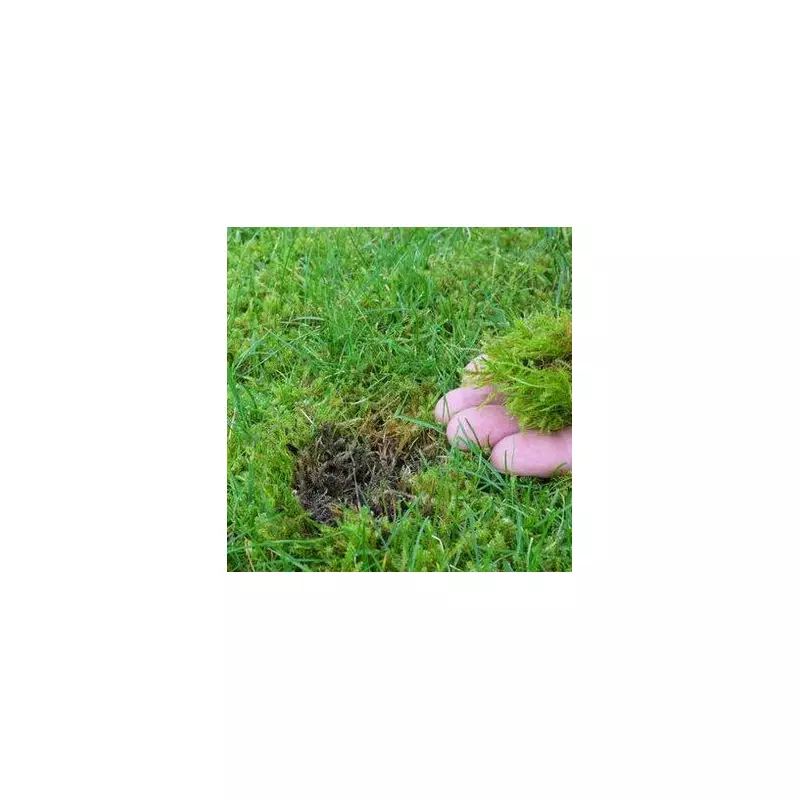
Gardeners across the UK are discovering a remarkably cheap and natural solution to a common winter woe: invasive lawn moss. For just 65p, a simple household ingredient can effectively clear unsightly patches without harming the surrounding garden.
The Supermarket Solution to a Mossy Problem
Excessive moisture, particularly prevalent during the colder months, is a primary cause of moss taking hold in grass. While it will eventually die off, it often leaves behind ugly bare spots. Instead of resorting to harsh chemicals, a growing number of gardening enthusiasts are turning to baking soda. This common kitchen staple, available for as little as 65p per tub from retailers like Lidl and Home Bargains, offers a gentle yet effective alternative.
Unlike many commercial moss-killing products, this method poses no risk to plants, soil, or water, making it an eco-friendly choice for conscious gardeners. The process is straightforward and requires minimal effort.

How to Apply the Natural Moss Killer
To tackle moss, mix two to three tablespoons of baking soda into a spray bottle filled with water. On a warm, dry day, apply the solution directly onto the mossy areas, taking care to avoid spraying other plants. Within two to three days, the moss will dry out and turn a distinctive golden brown colour.
Once this change occurs, the dead moss can be easily removed by raking or digging it up and disposing of it, revealing a clearer, moss-free lawn beneath. Gardener Hayley Warr endorsed this technique on the Gardening Hints and Tips Facebook page, stating she watched "all of the moss disappear." Her post attracted over 30 comments from fellow users who shared their success, with some also recommending white vinegar as another natural alternative.
Preventing Moss from Returning
Killing existing moss is only half the battle. To stop it from coming back, the Royal Horticultural Society (RHS) advises improving overall lawn health and altering growing conditions. They recommend following a dedicated lawn care programme throughout spring, summer, and autumn to encourage strong grass growth.
"Moss is more likely to take hold in a lawn that has sparse or weak grass growth," the RHS notes. By boosting the vigour of your turf, you create an environment where grass outcompetes moss, ensuring a lusher, greener garden in the long term.