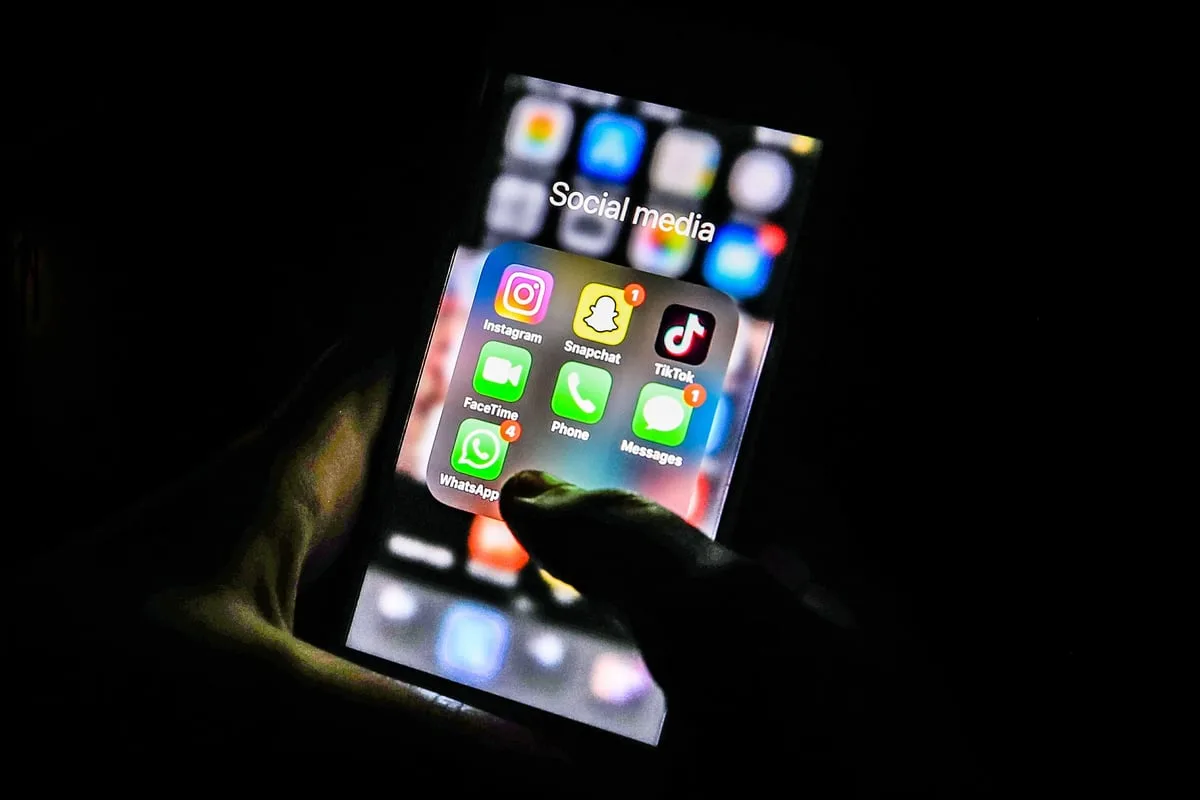
Six weeks after Australia implemented a world-first ban on social media for under-16s, the impact is drawing mixed reactions from teenagers and policymakers alike. The ban, introduced by Prime Minister Anthony Albanese on 10 December, aimed to protect children's mental wellbeing and encourage offline activities. Surveys show around 80% of Australian adults support the measure, but some young users express frustration.
A group of 14-year-old boys in Sydney told reporters the ban has made socialising harder, as they previously relied on Snapchat to arrange meet-ups. They now resort to text messages, which proved difficult when they lacked friends' phone numbers after the school term ended. However, two 15-year-old girls reported feeling 'more free' without Instagram, though they noted inconsistencies in enforcement, with some accounts remaining active due to technical glitches.
UK Prime Minister Keir Starmer has expressed openness to a similar ban, and Technology Secretary Liz Kendall announced a consultation on 19 January. The House of Lords has backed the idea, and a new survey indicates two-thirds of Britons support restricting social media for under-16s, citing cyberbullying and mental health concerns. However, Starmer has previously favoured controlling content rather than outright bans.

Australian authorities deemed the experiment a success, claiming nearly five million accounts were deactivated in the first week. Albanese cited positive feedback from parents, saying the ban has made a difference in households. Yet teenagers like Holly, 15, from Canberra, note the frustration of being excluded while peers still access banned platforms, highlighting the challenge of consistent enforcement.