Chernobyl's Frozen World: 40 Years After the Nuclear Catastrophe
On April 26, 1986, at 1.23am, the world changed forever when Reactor No. 4 at the Chernobyl Nuclear Power Plant exploded during a routine safety test. This event triggered the worst nuclear disaster in human history, creating a frozen world sealed in time.
The Immediate Aftermath and Evacuation
Nearly 50,000 residents of the nearby town of Pripyat were evacuated within hours, with many told they would return in a few days. Most never did. Today, four decades later, the Chernobyl Exclusion Zone (CEZ) – a vast restricted area spanning approximately 2,600 square kilometres – remains one of the most haunting places on Earth.
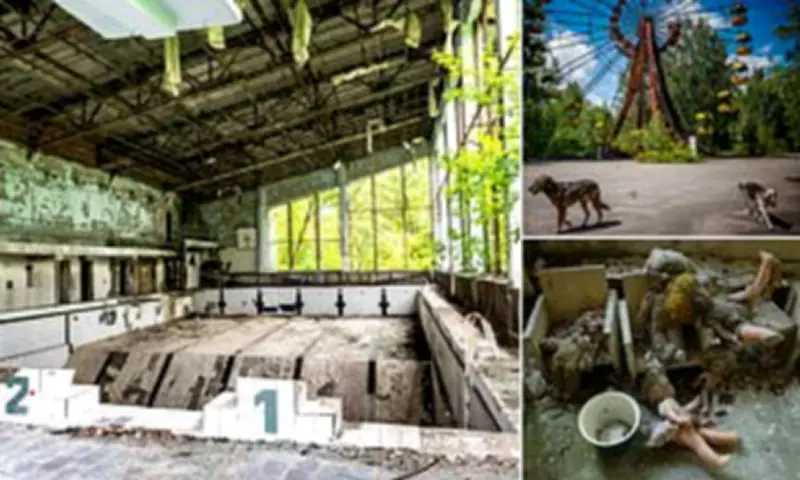
Nature has crept back with relentless determination. Forests now swallow crumbling tower blocks, while classrooms sit exactly as they were abandoned, with schoolbooks still open on desks and chalk lingering on blackboards. The silence is profound, broken only by wind and the distant crackle of Geiger counters measuring radiation levels.

The Samosely: Those Who Refuse to Leave
Despite the eerie stillness, the zone is not entirely empty. A small group known as the samosely – self-settlers who returned illegally to their homes following the catastrophe – continue to inhabit the radioactive landscape. Most are elderly, with around 80% being women now in their 70s and 80s.
These resilient individuals live without modern utilities, surviving through small-scale farming and supplies brought from outside. Authorities once attempted to remove them, but now tolerate their presence. As of recent counts, fewer than 200 remain, their numbers dwindling with time.
Abandoned Structures and Frozen Moments
The abandoned city of Pripyat presents particularly haunting scenes. The Ferris wheel in the amusement park stands motionless, its yellow carriages rusting in silence, never having carried a single rider after its scheduled opening was cancelled due to the disaster.
Apartment blocks loom like hollow shells with windows blown out or clouded with grime, while curtains still hang in places, gently shifting with drafts through broken glass. In kindergartens, rows of tiny metal beds remain neatly arranged, and gas masks are scattered across floors as haunting relics of preparations that came too late.
Schoolrooms are littered with decaying textbooks, Soviet propaganda posters peeling from walls, and exercise books still marked with children's handwriting frozen in time. The Pripyat hospital, where the first firefighters were treated, stands among the most contaminated buildings, with abandoned medical equipment and protective gear left behind in the chaos.
Nature's Reclamation and Structural Decay
Villages such as Zalissya and Opachychi stand half-reclaimed by woodland, where houses collapse inward and fruit trees still bloom each spring with no one left to harvest them. Roads that once connected communities are cracked and warped, with trees forcing their way through asphalt as nature steadily reclaims the land.
Inside the power plant complex itself, corridors once bustling with engineers are now dim and heavily controlled, featuring peeling paint, exposed wiring, and lingering radiation hotspots. The control rooms, once filled with blinking lights and urgent voices, stand eerily silent as stark reminders of the moment everything went wrong.
Ongoing Containment Efforts
Far from being completely deserted, life enters the Exclusion Zone daily. Approximately 3,000 workers rotate in and out – engineers, scientists, and technicians overseeing the slow dismantling of the ruined reactor and maintaining the vast steel confinement structure that now cages it.
The concrete sarcophagus that entombed Reactor No. 4 is surrounded by the New Safe Confinement (NSC), which houses containment operations and nuclear waste management conducted by the Ukrainian government. During the initial cleanup, teams called liquidators tested and washed everything within the zone, while highly contaminated areas like the Red Forest were razed and buried.

Recent Threats and Disturbances
When Russian troops invaded Ukraine on February 24, 2022, they entered through the Exclusion Zone surrounding Chernobyl's ruins. The Russian army occupied the area for over five weeks, causing an estimated $54 million in damage to the zone and the NSC.
The movement of troops and vehicles disturbed radioactive dust and soil, releasing more particles into the air. Russian forces also looted and destroyed laboratory equipment and cut electrical power to the plant, making cooling of deteriorating nuclear material unreliable.
The Animal Inhabitants
Perhaps the most unsettling legacy of Chernobyl is not the reactor or ruins, but the animals left behind. When residents fled in 1986, they were forced to abandon their pets, many of which were later culled to prevent contamination spread. Some survived, and their descendants still roam the zone today.
Hundreds of semi-feral dogs now live among the ruins, clustered around the power plant, checkpoints, and abandoned towns. Studies have found these dogs are genetically distinct from populations outside the zone, shaped by isolation, inbreeding, and environmental pressure. While some show signs of evolutionary adaptation, there is no clear evidence of dramatic radiation-driven mutations as popular myth suggests.
A Lasting Legacy
The exclusion zone has become an accidental experiment in ecosystem recovery. With humans gone, wildlife has rebounded, yet radiation remains embedded in soil, water, and the landscape itself. The Red Forest behind the power plant remains one of the most radioactive places on Earth, with estimates suggesting parts of the zone may remain unsafe for hundreds to thousands of years.
As another anniversary approaches, Chernobyl stands as more than just a disaster site. It serves as a warning, a wilderness, a graveyard – and strangely, a refuge where humans vanished but life persists in defiance of catastrophe.