Federal Judge Orders Dam Changes to Protect 'Disappearing' Salmon in Pacific Northwest
Judge Orders Dam Changes to Help 'Disappearing' Salmon

Federal Judge Mandates Dam Operation Changes to Aid Declining Salmon Populations

A federal judge in Oregon has issued a ruling ordering specific modifications to the operations of hydropower dams on the Columbia and Snake rivers in the Pacific Northwest. This decision aims to assist salmon populations that are described as "disappearing from the landscape." The ruling, delivered late Wednesday, addresses a long-standing legal battle involving multiple stakeholders.

Decades-Long Legal Battle Over Salmon Protection

The legal effort, spanning decades, has been led by the states of Oregon and Washington, Native American tribes, and various conservation and fishing groups. These parties argue that the massive dams significantly harm migrating salmon, leading to high mortality rates. In 2023, a landmark agreement paused litigation, with the Biden administration committing $1 billion over ten years for salmon restoration and tribal clean energy projects. However, the Trump administration later rejected this deal, labeling it "radical environmentalism" and potentially leading to the breaching of four controversial dams on the Snake River, prompting plaintiffs to return to court.

Judge Simon's Ruling and Criticisms

U.S. District Judge Michael Simon, in his ruling, expressed disappointment with what he termed a "history of government avoidance and manipulation" instead of genuine problem-solving efforts. He emphasized the cultural, recreational, and economic importance of salmon to the Western states and Native American tribes, noting their decline. The plaintiffs had requested lower reservoir levels to speed fish travel and increased water spillage to help fish bypass turbines, while the federal government advocated for higher reservoir levels. Judge Simon ordered that reservoirs maintain last year's levels, describing the changes as "narrowly tailored" to preserve the status quo.

Reactions from Environmental and Government Sides

Amanda Goodin, an attorney with Earthjustice, welcomed the decision, stating relief over the spill levels ordered and warning that the government's proposal could have "devastating consequences for salmon." The Justice Department and National Marine Fisheries Service did not immediately comment, and the Bonneville Power Administration deferred to the Justice Department. In court filings, the federal government argued that the plaintiffs' requests constituted a "sweeping scheme" that could compromise dam safety, efficiency, and raise utility rates.

Impact of Dams on Salmon and Regional Life

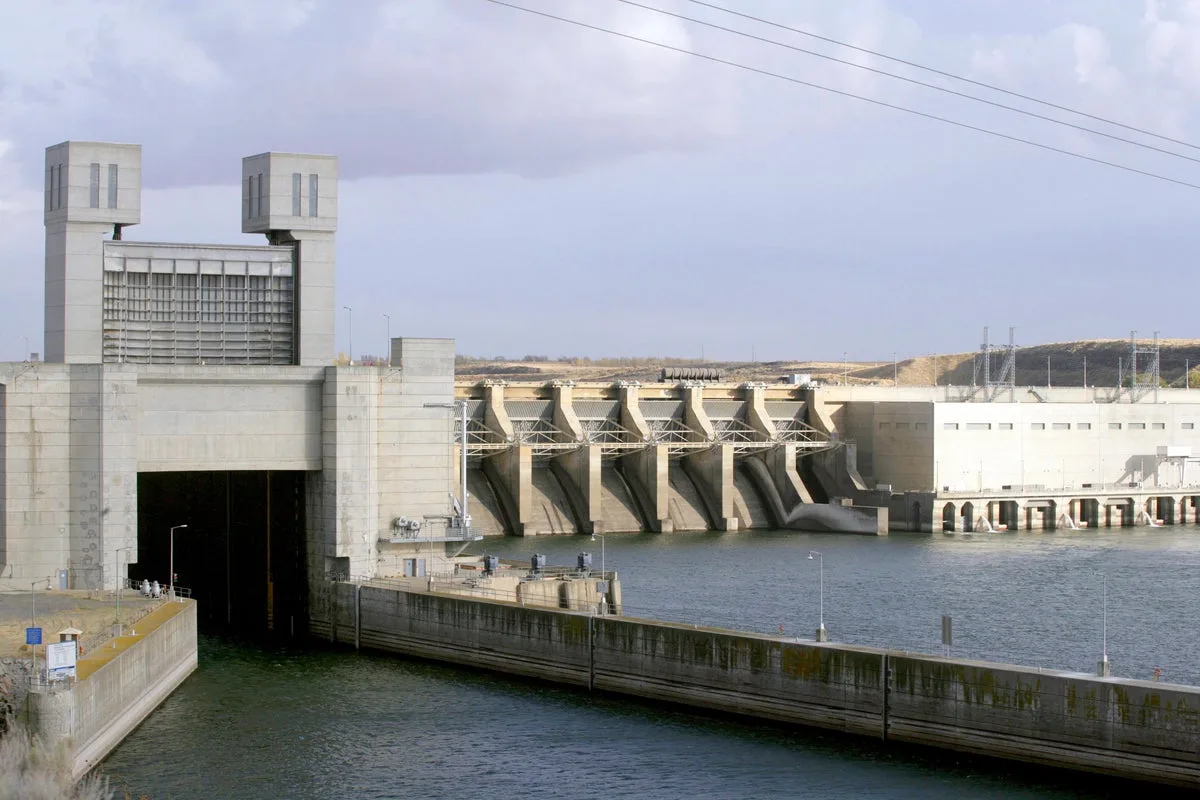
The Columbia River Basin, once the world's top salmon-producing system with at least 16 stocks, now sees four extinct and seven endangered or threatened species. Dams, such as Grand Coulee and Bonneville built in the 1930s, provided jobs, hydropower, and navigation benefits, making Lewiston, Idaho, an inland seaport. However, they harm salmon by forcing them through turbines, warming reservoir waters, and slowing juvenile migration from weeks to days, increasing exposure to predators.

Stakeholder Positions and Future Implications

The motion for a preliminary injunction was supported by Oregon, conservation groups like the National Wildlife Federation, Washington state, the Nez Perce Tribe, and Yakama Nation. Opponents, including the Inland Ports and Navigation Group, argue that increased spillage could hinder navigation and economic activity, claiming the order risks infrastructure and public safety without proven salmon benefits. The dams in question include Ice Harbor, Lower Monumental, Little Goose, and Lower Granite on the Snake River, and Bonneville, The Dalles, John Day, and McNary on the Columbia.