Environmental Fury as New Border Wall Threatens National Parks and Wildlife
New Border Wall Plan Sparks Environmental Fury Over Parks

Environmental Fury as New Border Wall Threatens National Parks and Wildlife

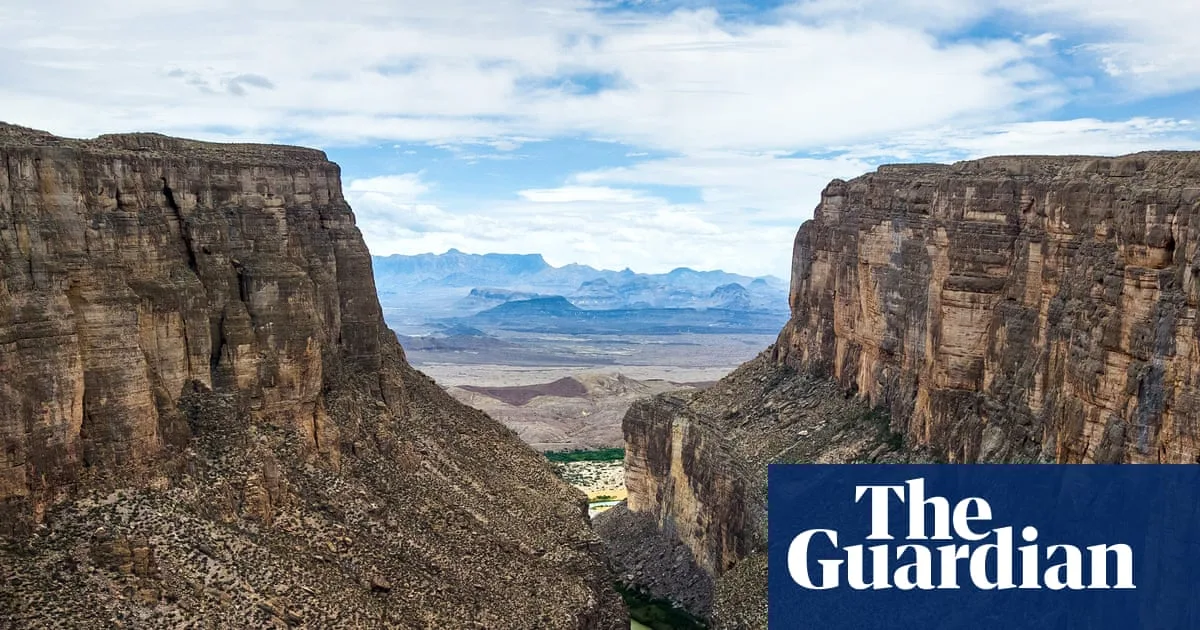
Proposals for another extensive stretch of wall along the southern border have ignited fierce opposition from environmental groups, who warn that the construction would devastate protected national park and wildlife refuge lands. The latest plans target the Organ Pipe Cactus National Monument and Cabeza Prieta National Wildlife Refuge, following previous construction in 2019 that utilized desert land from two Arizona national park sites.

Quietly Pushed Plans Cause Outrage

Officials are quietly advancing these proposals, which environmentalists argue would cause irreparable harm to natural landscapes and severely restrict wildlife migration. Russ McSpadden, southwest conservation advocate for the Center for Biological Diversity, emphasized the unique value of these areas, stating they protect landscapes found nowhere else. He noted that while less high-profile than other national parks, they are critical to local ecosystems and communities, with the first wall already dramatically altering the character of the region.

Historical Context and Legal Powers

The plans follow President Donald Trump's 2016 campaign promise to build a 2,000-mile border wall, which has faced persistent opposition over its impact on public lands. Initial barrier sections emerged in the 1990s, primarily in urban areas, but funding surged after the 9/11 attacks, increasing from $92 million to around $270 million. The 2006 Secure Fence Act further expanded border security measures, granting the Department of Homeland Security (DHS) operational control over nearly the entire border to prevent unlawful entries.

Wide Pickt banner — collaborative shopping lists app for Telegram, phone mockup with grocery list

Under the 2005 Real ID Act, DHS can waive approximately 50 laws for border wall construction on public land, including key environmental protections like the Clean Water Act, National Environmental Policy Act, Endangered Species Act, and Clean Air Act. This legal authority allows for fast-tracking projects, with former DHS secretary Kristi Noem having signed multiple waivers for barrier construction.

Specific Threats to Protected Areas

The new proposal includes technological upgrades to existing walls and the construction of a second barrier up to 200 feet long, with sections in Organ Pipe and Cabeza Prieta reaching about 30 feet high. Plans also involve installing thousands of LED lights, potentially impacting Indigenous lands, burial sites, and the Quitobaquito spring—the only surface water source for miles.

Eamon Harrity, wildlife program manager at Sky Island Alliance, warned that cutting off the spring would harm wildlife dependent on it, including the endangered Quitobaquito pupfish and Sonoyta mud turtle. He cited previous construction in Arizona's San Bernardino National Wildlife Refuge that dried up artesian wells, forcing the installation of solar-powered pumps. Harrity stressed that border wall construction often depletes groundwater, threatening entire ecosystems and nullifying conservation investments.

Inadequate Mitigation Efforts

In response to wildlife concerns, small "doggy doors" have been added to walls to aid animal migration, but environmentalists dismiss these as ineffective jokes. Experts like Myles Traphagen of Wildlands Network note the openings are too small for larger species such as sheep, jaguars, and deer, and too infrequent along the vast fence. Activists argue the wall disrupts biodiversity by blocking access to water, food, and mates, though Traphagen reported no evidence of migrants exploiting these gaps.

Agency Responses and Border Statistics

Matthew Dyman, a Customs and Border Protection (CBP) spokesperson, claimed collaboration with the National Park Service and other agencies to optimize migration routes. DHS highlighted a "record low" of border encounters in November, with 60,940 nationwide in October and November, and an average of 245 daily apprehensions on the Southwest border. The agency defended waivers as essential for expediting construction to enhance border security.

Despite opposition, environmentalists feel constrained by legal protections for DHS actions, limiting challenges to constitutional grounds. The ongoing conflict underscores tensions between national security priorities and environmental conservation, with the fate of these unique landscapes hanging in the balance.

Pickt after-article banner — collaborative shopping lists app with family illustration