The Invisible Threat: How Air Pollution Silently Harms Public Health
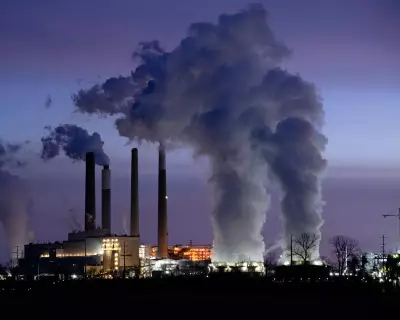
Air pollution represents a pervasive and deadly crisis, claiming thousands of lives annually across the United Kingdom and globally. Despite its severe impact, this issue often fails to generate the widespread outrage it warrants, lurking as a silent killer in our urban environments.
The Global Scale of Air Pollution
According to the World Health Organization, a staggering 99% of the global population breathes air that exceeds safe health guidelines. This environmental hazard is now the single largest risk factor worldwide, linked to nearly 7 million premature deaths each year. The damage is immediate, affecting hearts, lungs, brains, and blood vessels today, not in some distant future.
In extreme cases, cities like New Delhi serve as stark warnings. During peak pollution, PM2.5 concentrations there can surpass WHO limits by 24 times, reducing life expectancy by almost 12 years and contributing to 15% of all deaths. As one Indian justice starkly noted, it forces people to live in "gas chambers," with doctors comparing the air quality to smoking 50 cigarettes daily.

The UK Situation and London's ULEZ Model
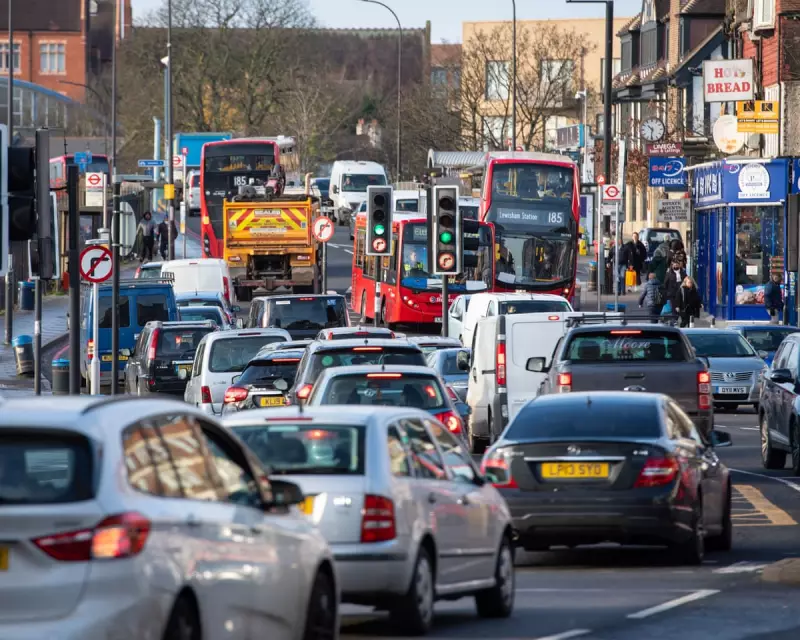
In the UK, the Royal College of Physicians estimates that 30,000 deaths yearly are connected to air pollution. London has made notable strides with initiatives like the Ultra Low Emission Zone (ULEZ). Since its implementation, nitrogen dioxide levels in the city have dropped by nearly half between 2016 and 2023, with air quality improving at 99% of monitoring sites.
A 2024 report from City Hall highlighted that nitrogen dioxide decreased by about 27% overall in London, and PM2.5 from vehicle exhausts was 31% lower in outer London due to ULEZ expansion. While air quality is improving nationwide, many areas still frequently breach safe limits, underscoring the need for continued action.
Personal Actions and Policy Solutions
On an individual level, two key improvements could significantly reduce exposure. First, drivers should turn off engines instead of idling, especially near schools or parks, as running engines concentrate exhaust fumes, harming everyone nearby. Second, wood-burning stoves and open fires, often marketed as cosy and sustainable, produce substantial fine particulate matter. A UK study links wood burning to nearly 2,500 deaths and over 27,000 years of life lost annually, plus thousands of new asthma and diabetes cases.
Ultimately, public health depends on robust air quality policies from cities and governments. Measures like emissions standards, clean air zones, transport planning, and regulation of domestic combustion have measurable benefits. While mindfulness and wellness trends promote breathing exercises, no amount of personal effort can offset the harm from polluted air. The quality of the air we breathe fundamentally shapes our health outcomes, making policy action imperative to save lives and protect communities from this deadly, invisible threat.