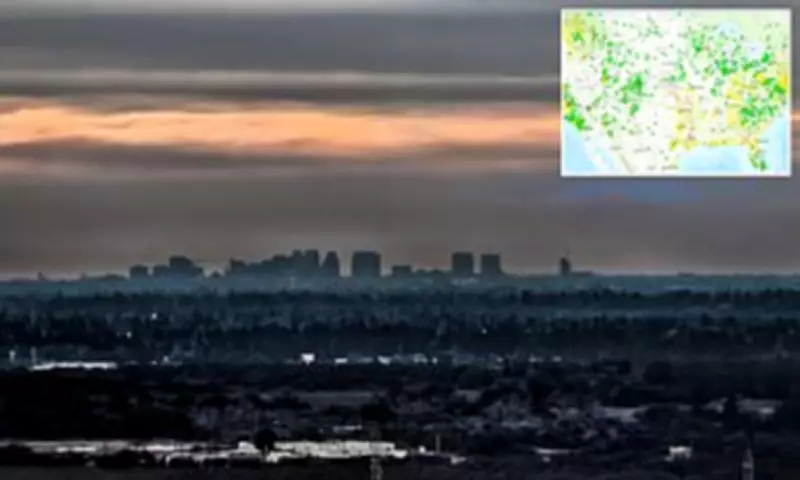
Nationwide Air Quality Emergency as Hazardous Pollution Levels Spread
Across the United States, from the sun-drenched valleys of California to the rural heartlands of the Midwest and the frosty Appalachian communities, a severe air quality crisis has prompted urgent health warnings. Authorities are advising thousands of residents to remain indoors as pollution readings reach hazardous levels, creating significant public health risks during this winter period.
Extreme Pollution Peaks in California's Central Valley
The situation appears most critical in California's Central Valley, where the basin-like geography creates perfect conditions for pollution accumulation. Pinehurst, located near Fresno, recorded a staggering Air Quality Index (AQI) reading of 463, placing it firmly in the hazardous category that affects the entire population. Nearby Clovis, with over 120,000 residents, registered an extremely unhealthy AQI of 338, while Sacramento's metropolitan area reported unhealthy levels at 160.
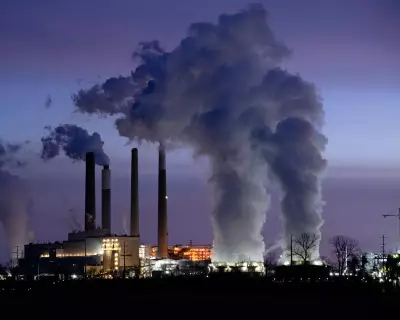
These alarming figures stem from PM2.5 particles - microscopic pollutants carrying toxic organic compounds and heavy metals. Sources include vehicle emissions along major highways like CA-99, industrial operations, agricultural activities, and residential wood burning. The San Joaquin Valley Air Basin, home to approximately 4.2 million people, experiences particularly severe overnight pollution buildup that peaks before dawn.

Understanding the Air Quality Index Scale
The Air Quality Index provides a crucial colour-coded system for assessing health risks:
- Green (0-50): Satisfactory air quality with minimal health concerns
- Yellow (51-100): Moderate conditions acceptable for most people
- Orange (101-150): Unhealthy for sensitive groups who should limit prolonged outdoor activity
- Red (151-200): Unhealthy conditions that may affect everyone
- Purple (201-300): Very unhealthy with increased risks for all population groups
- Maroon (301-500): Hazardous conditions likely to impact the entire community
Midwestern and Southern Regions Face Similar Challenges
Beyond California, numerous communities across the South and Midwest are experiencing concerning air quality deterioration. Batesville, Arkansas recorded an AQI of 151, placing it in the unhealthy red category, while Ripley, Missouri reached 182. These conditions result from temperature inversions that trap emissions from local sources including wood burning during cold snaps.
In the Northeast and Appalachian regions, rural towns are facing comparable challenges. Harrisville, Rhode Island registered an unhealthy AQI of 153, with Davis, West Virginia recording 154. These communities, often relying on wood stoves for heating during sub-freezing nights, find their valley locations amplifying pollution accumulation despite generally satisfactory statewide air quality readings.
The Science Behind Winter Pollution Spikes
This recurring winter phenomenon stems from specific meteorological conditions. Calm, cold air creates temperature inversions where warmer air sits above cooler surface air, effectively trapping pollutants close to ground level. This atmospheric lid turns routine emissions from vehicles, industry, and residential heating into concentrated health hazards that persist until midday when solar heating typically improves conditions.
Terrain plays a crucial role in exacerbating these effects. In Sierra foothill communities like Miramonte and Pinehurst, geographical features funnel cold air and trap wood smoke from rural homes. Similarly, in West Virginia's Monongahela National Forest region, valleys amplify pollution buildup from residential wood heating during freezing nights.
Significant Health Implications and Expert Warnings
Medical professionals emphasise the serious health consequences of prolonged exposure to elevated PM2.5 levels. These microscopic particles can penetrate deep into lung tissue, causing inflammation, exacerbating existing respiratory conditions like asthma and COPD, and placing additional strain on cardiovascular systems. The risks are particularly pronounced during winter when people spend more time indoors near fireplaces and wood stoves.

The American Lung Association consistently ranks regions like California's Central Valley among the nation's worst for particle pollution. The organisation advocates for cleaner heating alternatives and improved ventilation systems to mitigate these seasonal hazards.
Monitoring and Protective Measures for Residents
Air quality officials highlight the importance of hyper-local monitoring, as community sensors often detect hazardous hotspots that broader regional monitoring systems might miss. Residents are advised to utilise tools like AirNow.gov and PurpleAir for real-time local air quality data rather than relying solely on official regional forecasts.
Protective recommendations include remaining indoors during peak pollution periods, limiting strenuous outdoor activities, and consulting healthcare providers if respiratory symptoms develop. While these hazardous spikes typically ease by midday as atmospheric conditions change, they represent a significant seasonal public health challenge affecting communities from coastal regions to America's agricultural heartland.
This widespread air quality crisis underscores how weather patterns, geographical features, and human activities combine to create dangerous winter pollution events that demand increased public awareness and protective action across multiple regions of the United States.