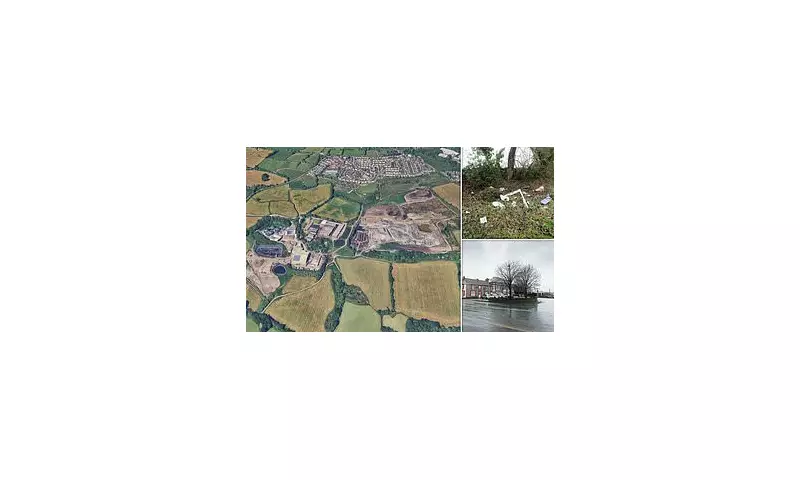
Nestled within the picturesque Brecon Beacons National Park, the small Welsh village of Gelligaer was once indistinguishable from its tranquil neighbours. Today, however, approaching along the B4254 road reveals a starkly different reality. The air carries a pungent odour reminiscent of 'vomit and rotten eggs', while grass verges are littered with accumulating piles of rubbish, signalling the community's ongoing plight.
A Community Under Siege from Industrial Neighbours
According to long-suffering locals, this dramatic transformation stems from what they describe as their 'original neighbours from hell' – a multi-million-pound quarry and associated waste tip operated by the Bryn Group. The site sits a mere 131 metres from residential properties at its closest point, with Caerphilly County Borough Council recently voting to authorise continued quarrying operations until 2034.
Daily Disruptions and Health Concerns
Villagers report that extensive activity at the site regularly generates dust clouds that roll down the valley, settling over homes and vehicles. Explosions within the quarry cause houses to shake, creating an environment where residents feel apprehensive about leaving their properties. The situation has escalated to the point where some young children have developed persistent coughs after playing outdoors.

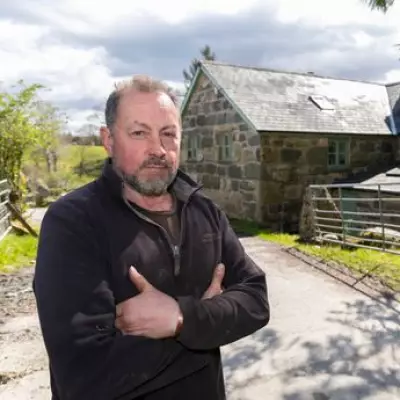
Noise pollution presents another significant issue, with the constant din from hydraulic peckers – high-impact machinery used to break quarried rocks – creating a permanent background disturbance across the area. Retired coal miner Mark Roberts, 64, who has lived his entire life in the village, expressed the community's frustration: 'It stinks like rotten eggs. It's acidic and gets in your throat. If the wind is blowing towards us you can't go outside. When they are blasting at the quarry the whole house shakes. Then everything gets covered in dust, my wife can't put the washing out.'
Council Decision Sparks Outrage
During the council planning committee meeting that preceded the approval, campaigner James Vukashin highlighted the relentless impact on local communities. He stated: 'Residents talk about children coughing, windows that can't be opened and homes shaking from blasts. It's a health issue, a wellbeing issue, and a human issue.'
Campaigner Valda Muxworthy, a 73-year-old retired council admin worker, added: 'The address for the Bryn Group may say it's a farm but in reality it's an industrial estate. Some of the communities affected by this are low on the socioeconomic scale and people have just got used to it. They've been ground down. But the atmosphere we are breathing is affecting children and taking its toll on people's mental health.'
The Company's Perspective and Environmental Claims
The Bryn Group, founded by the Price family who have operated at Gelliargwellt Uchaf Farm since 1902, presents a different narrative. The company emphasises its contribution to road safety through mining rare aggregate used for skid-proofing new roads and motorways. They also operate a licensed recycling centre and have installed an anaerobic digester to process domestic waste from surrounding areas.
Mitigation Measures and Community Engagement
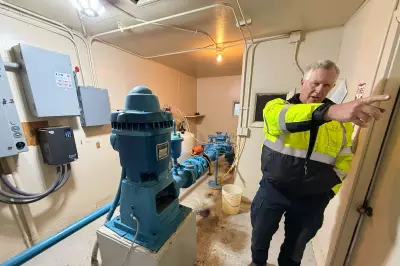
Representing the Bryn Group, Joe Ayoubkhani told the council meeting that the company remains 'committed to good controls on the site and positive working relationships with residents, the community council and other stakeholders.' Director and co-owner Alun Price elaborated on their efforts: 'We have invested in quieter breaker hammers and electric crushers and use state of the art detonation practices to minimise vibrations and noise. Dust is monitored 24-hours a day and shows that air quality is consistently better than world health organisation safety standards.'
The company, which employs 111 people and holds British Standards Institute certification, asserts that dust peaks predominantly occur when wind carries particulates from the villages toward their land, rather than originating from their operations.

Regulatory Context and Enforcement Challenges
Despite complaints lodged with multiple authorities including the Welsh Government, the Department for Environment, Food and Rural Affairs, and Natural Resources Wales, residents continue to endure noise and pollution issues. Local observations suggest that refuse lorries frequently fail to cover their cargo with required nets, with apparent lack of enforcement from council officials.
The council's planning officer warned that refusing planning permission could trigger an appeal process, during which the authority would lose its ability to monitor site restrictions and conditions. This consideration ultimately influenced the decision to grant the extension until 2034, with quarrying permitted until year-end followed by restoration work.
A Landscape Transformed
Mark Roberts, who works as a professional Santa Claus alongside his community activism, recalls a childhood spent exploring miles of pastureland with school friends during the 1960s. His current view from the rear garden of his three-bedroom semi now features a 20-foot wall of rubbish covered in grass and weeds. 'It's been going on for so long that people have given up complaining,' he lamented. 'It's driven me around the twist and I've lost faith in Caerphilly County Borough Council who seem to work hand-in-hand with the Price family.'
As the Bryn Group pledges continued compliance with strict licensing requirements and regulatory duties, Gelligaer residents remain caught between industrial necessity and environmental preservation, their once-tranquil valley now bearing the visible and olfactory marks of this ongoing conflict.