37 Items Banned from New UK Bins: How to Avoid the £400 Fine
37 items banned from new UK bins - avoid £400 fine

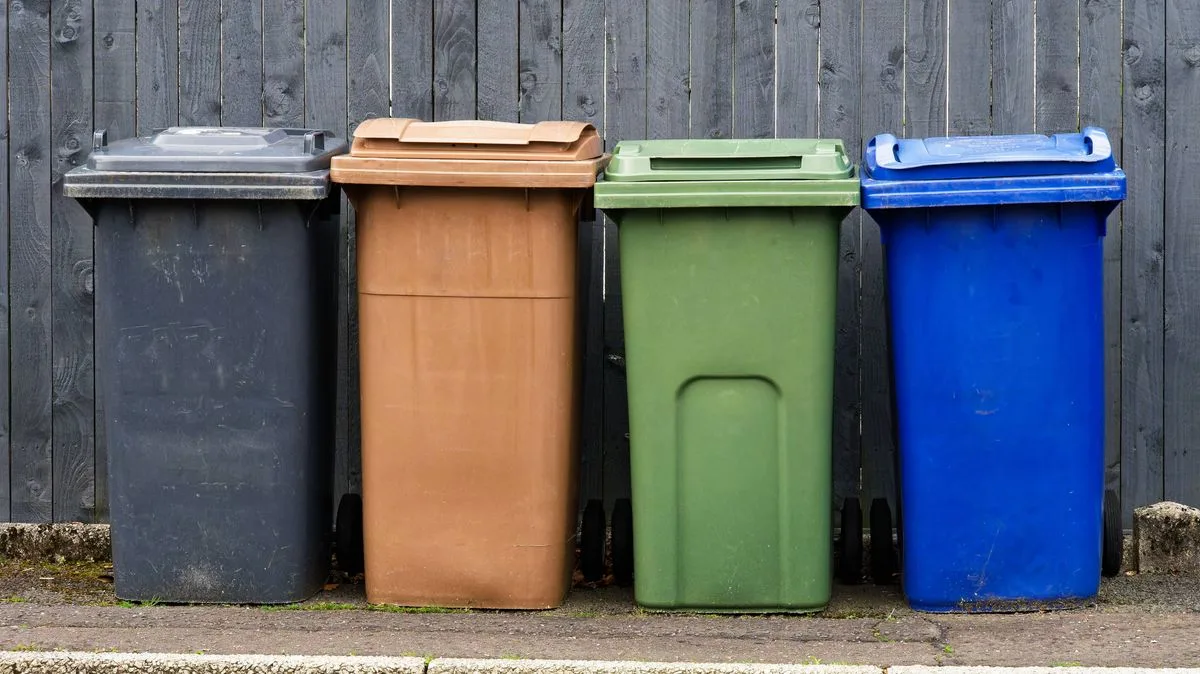
Households across England are preparing for a major overhaul of their waste collection services, with new rules set to take effect by the end of March. The government's Simpler Recycling initiative mandates that every home will have four separate bins, aiming to boost national recycling rates to 65% and slash landfill use.

The New Rules and the Stiff Penalty

This standardised system is designed to end the confusing 'postcode lottery' of recycling, where accepted materials vary wildly between local councils. However, the new clarity comes with strict enforcement. Residents who contaminate their recycling with prohibited items risk an on-the-spot fine of up to £400. The Department for Environment, Food & Rural Affairs (Defra) states the universal standards will ensure consistent recycling whether at home, work, or school.

The Comprehensive 'Bin Banned' List

Experts have identified 37 specific types of waste that must be kept out of the new recycling streams. These items fall into six broad categories, but many can still be recycled through alternative routes.

Glass and Ceramics: This includes drinking glasses, cookware like Pyrex, vases, window glass, mirrors, and crockery. These materials have different melting points to bottle glass and disrupt the recycling process.

Problem Plastics and Polystyrene: A key ban covers any plastic labelled as 'compostable' or 'biodegradable', including certain coffee pods. Also prohibited are plastic bottles that held chemicals like paint or engine oil, PVC packaging, polystyrene packing beads, and bulky rigid plastics like toys or garden furniture.

Contaminated Paper and Food Packaging: Greasy pizza boxes, food-stained paper, and absorbent hygiene products like nappies and wet wipes cannot be recycled. Food and drink cartons made of composite materials also need separate handling.

Complex Metals and Hazardous Waste: Laminated foil pouches (common for pet food and coffee), general kitchenware, and metal containers that held paints or spirits are banned from household recycling bins.

Smart Disposal: How to Recycle the 'Banned' Items

Matthew Derry from Aston University explains that the rules aim to curb 'over-recycling'—where well-intentioned people put non-recyclable items in the bin, contaminating whole loads. He advises that many banned items have dedicated recycling pathways.

Most glass, metal, plastic, and small electrical items can be taken to your local household waste recycling centre (the 'tip') and placed in the correct containers. Supermarkets are now key collection points for soft plastics like crisp packets, bread bags, and clean pet food pouches.

For garden waste, grass cuttings and branches are often collected by councils, while other items like plant pots, sand, or bricks may be classed as DIY waste at tips, potentially incurring a charge. Food waste should go in your dedicated food caddy or be composted.

Ultimately, items like nappies, tissues, and cotton wool pads have no current recycling solution and must go in the general waste bin. By learning the new rules and using alternative disposal points, households can avoid fines and contribute to a more effective national recycling effort.