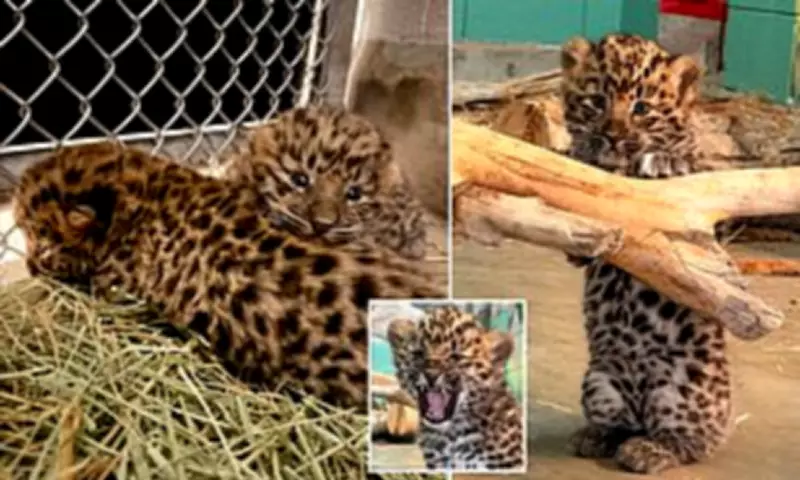
In a significant boost for global conservation, a pair of rare Amur leopard cubs born earlier this year were bright-eyed and healthy during their inaugural veterinary examination this week at Utah's Hogle Zoo. The two captivating cubs, delivered on February 18, underwent comprehensive checkups and received essential vaccinations at eight weeks old, marking a crucial milestone in their development.
Conservation Success for an Endangered Species
Parents Zeya and Dmitri, both aged thirteen, celebrated their sixth litter together as part of a dedicated breeding program aimed at rescuing the critically endangered Amur leopard from extinction. This initiative represents a coordinated effort among zoological institutions worldwide to bolster the dwindling population of these majestic felines.
Detailed Health Assessment and Future Plans
During the meticulous examination, the cubs weighed in at 7.7 and 8.2 pounds respectively, with veterinarians confirming both are in excellent physical condition. The routine checkup encompassed thorough eye exams, body condition evaluations, and necessary immunizations. Zoo officials indicated that a subsequent examination will enable definitive gender identification for the cubs.

To ensure the cubs' wellbeing and maintain maternal bonds, animal care specialists employed stringent protocols during handling. Keepers utilized face masks and gloves for protection while gently holding the cubs by the scruff of their necks. Additionally, the cubs received a straw bath incorporating substrate from their den to preserve their natural scent, preventing potential maternal rejection.
Behind-the-Scenes Care and Public Debut
The new leopard family will remain off public display until summer months, allowing uninterrupted bonding time in a private den while zoo professionals work diligently on socialization and training exercises. Animal care teams have been monitoring Zeya and her offspring via high-definition surveillance cameras, documenting attentive maternal care and consistent nursing patterns.
"Our animal care team has been observing Zeya and the cubs through high-definition cameras, noting attentive care and consistent nursing," zoo representatives explained. "When Zeya needs some time to stretch her legs, she occasionally steps away from the den before returning to her cubs."
Expert Perspectives on Conservation Impact
Brittany Dowdell, an animal care supervisor in the Asian Highlands section, expressed enthusiasm about the cubs' progress. "It has been such a fun learning experience to watch these two cubs grow and see Zeya teach them how to be Amur leopards," Dowdell told ABC 4. "While we know Zeya is a pro at being a mom, as keepers, we always want to make sure we are giving her everything we can to set her up for success."
Dowdell emphasized the cubs' substantial conservation value, noting, "I can safely say we always learn something new and find ways to improve her wellbeing. These cubs represent a valuable contribution to their population as Amur leopards continue to struggle in the wild."
Critical Status of Wild Populations
With fewer than 130 individuals estimated remaining in their natural habitat, these cubs significantly enhance genetic diversity among captive populations, serving as a buffer against extinction while raising awareness about their critically endangered wild counterparts. The International Union for Conservation of Nature classifies Amur leopards within its highest risk category, reflecting their precarious existence.
"Amur leopards are among the rarest cats in the world and live in the temperate forests of Russia and China," zoo authorities stated. "These nocturnal, solitary cats face ongoing threats from habitat destruction, prey scarcity, diminished genetic diversity, poaching activities, and illegal wildlife trade networks."
Remarkably athletic, Amur leopards can achieve speeds up to 35 miles per hour and possess the strength to subdue prey three times their own size, characteristics that make their conservation particularly vital for maintaining ecological balance in their native regions.