A groundbreaking study has revealed that the choice of food for our canine companions carries a significant environmental cost, with some diets having a worse climate impact than the meals eaten by their owners.
The Stark Difference Between Wet and Dry
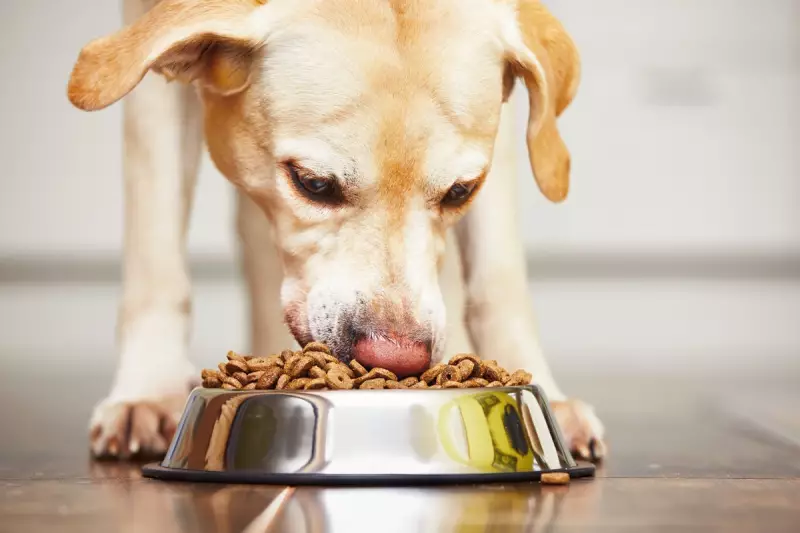
Research from the Universities of Edinburgh and Exeter, published in the Journal of Cleaner Production, analysed nearly 1,000 types of dog food. It found that wet, raw, and meat-heavy premium products are associated with substantially higher greenhouse gas emissions compared to standard dry kibble. The most shocking finding was that the highest-impact foods could be responsible for up to 65 times more emissions than the lowest-rated options.
The study, released on Thursday 08 January 2026, estimated that the production of ingredients for UK dog food alone contributes around one per cent of the country's total greenhouse gas emissions. This significant figure highlights the often-overlooked environmental pawprint of pet ownership.

What Drives the High Emissions?
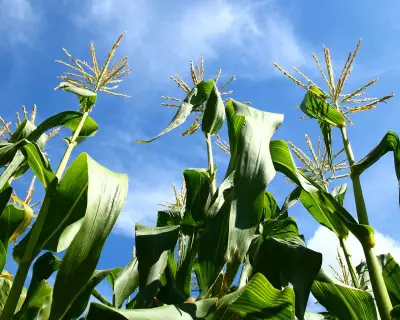
Scientists calculated the carbon footprint based on emissions generated during ingredient production. The key factor is the type of meat used. Using large amounts of prime, human-grade meat dramatically increases the environmental impact. Conversely, utilising nutritious carcass parts that are in lower demand helps to limit the damage.
The analysis also showed that dry foods not marketed as grain-free generally had a lower environmental impact. Meanwhile, grain-free, wet, or raw options tended to score higher on emissions. Principal investigator John Harvey from the University of Edinburgh’s Royal (Dick) School of Veterinary Studies noted the dilemma this creates for owners.
"As a veterinary surgeon working on environmental sustainability, I regularly see owners torn between ideals of dogs as meat‑eating ‘wolves’ and their wish to reduce environmental harm," Harvey said.
Global Implications and Practical Advice
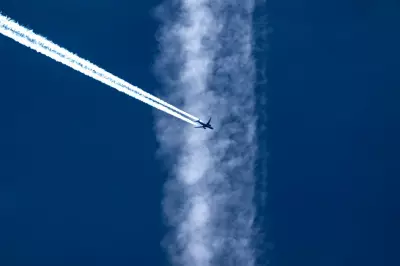
The research has profound global implications. Experts estimate that producing enough of the types of food fed to UK dogs for all dogs worldwide would generate greenhouse gas emissions equivalent to over half of those from burning jet fuel in commercial flights each year.
For environmentally conscious dog owners who do not wish to change their pet's food type, the advice is to scrutinise labels. Aiming for a lower content of prime meat cuts can make a difference. The study empowers owners with the knowledge that their choice at the pet food aisle is a genuine climate action.
"Our research shows just how large and variable the climate impact of dog food really is," Harvey concluded. "It’s important for owners to know that choosing grain-free, wet or raw foods can result in higher impacts compared to standard dry kibble foods."