Guilt-Free Wardrobe Clearout Guide: Avoid Landfill, Resell & Repair
Guilt-Free Wardrobe Clearout: Avoid Landfill Tips

Slim down your wardrobe, but ensure it doesn't end up costing the earth. With textile bins overflowing across the UK, donating isn't always the answer. Experts are now sharing smarter, greener methods to declutter unwanted garments without contributing to landfill or waste colonialism.

The Problem with Donations

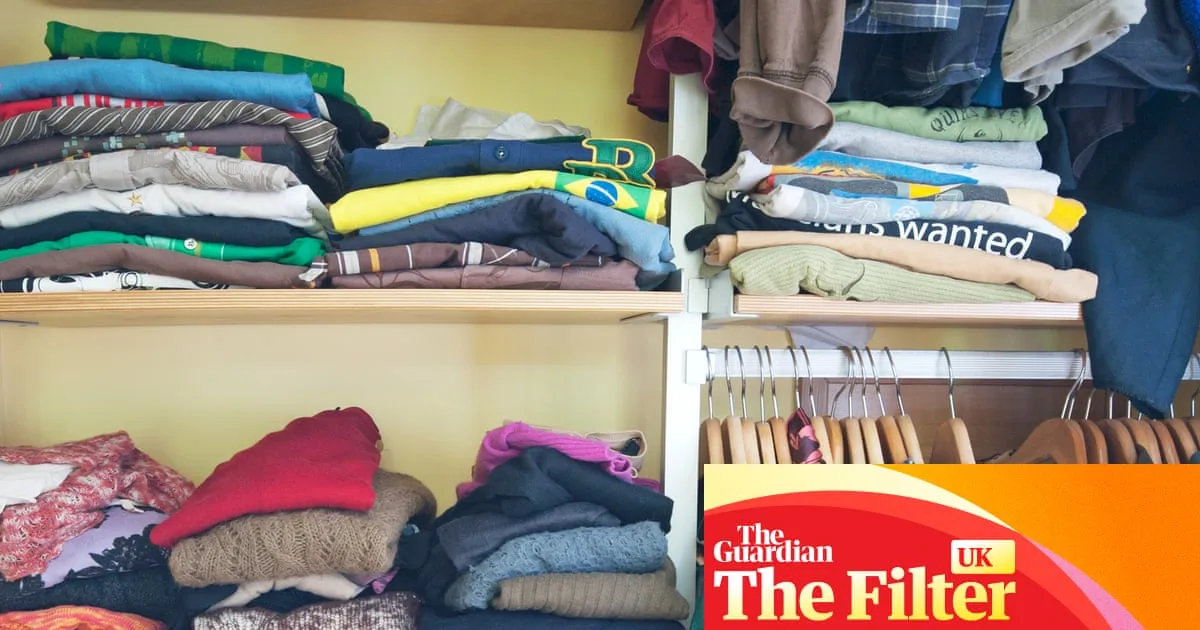
Have you even started the new year without considering a wardrobe clearout? A recent visit to a local supermarket revealed textile recycling bins spilling onto pavements, as residents in towns nationwide embark on mass decluttering. While we might believe donating unwanted clothes helps others and the environment, this isn't always the case.

Aja Barber, author of Consumed, explains: "Because our clothing is so overproduced in such large quantities, when you donate to charity, often it's not getting resold." She warns that much donated clothing ends up in landfill or is exported in the waste colonialism chain, polluting countries like Ghana, Kenya, and Uganda. With this in mind, a more considered approach is essential for passing on items we no longer want.

How to Clear Out Your Wardrobe Responsibly

Resell

Learn the art of selling preloved fashion, and you'll achieve a clearer wardrobe with extra cash. A recent report found two-thirds of British consumers bought preloved goods online in 2024, driven by the cost of living crisis and environmental concerns. Brett Staniland, a model and sustainable fashion advocate, favours Vinted for ease of use but divides sales, with classic menswear brands performing best on Marrkt.

Amy Bannerman, eBay UK's preloved style director, advises using hook words like 'rare' in listings, along with strong visuals in natural light, clearly showing any damage. She recommends pricing by comparing similar items, listing in bursts, and including all details in titles. Quality is key, with accessories, luxury handbags, jewellery, hats, shoes, and knitwear selling well. Staniland notes: "Big woolly cardigans and 100% natural fibre classics never stick about long."

Donate Wisely

Charity shops offer convenience and support for causes, but they're often misused as dumping grounds. Jen Graham, known as Charity Shop Girl, states: "When people donate items that are unsellable, charities have to pay to dispose of them, meaning your donation actually costs them money." She urges donors to avoid dirty, stained, or damaged clothes and to pack donations carefully, avoiding overpacking. Quality matters more than brand, with trainers, boots, accessories, and jewellery in good condition selling well.

Repair

Not everyone has skills to patch elbows or mend jeans, but local services can be hard to find. Layla Sargent, founder of the Seam, says: "Many repair businesses are one-person operations, working offline and by word of mouth." Her platform matches customers to skilled makers for clothing or accessory repairs. Other options include the Boot Repair Company in Leeds for postal shoe repairs and Sojo for door-to-door alterations. Sargent notes that very few items are truly beyond repair, with knitwear, jeans, and coats often salvageable by the right hands.

Recycle

Globally, only 1% of textiles are recycled into new products; most worn-out clothing is landfilled or downcycled. For 100% cotton items, Teemill's Remill programme on the Isle of Wight recycles them into new clothes, having processed over 14,000kg of cotton in 2025 alone. For all item types, Reskinned partners with brands like Finisterre and guarantees items in its Takeback scheme are repaired, resold, or recycled, never landfilled.

Restyle and Repurpose

If stuck in a style rut, Bannerman suggests experimenting with existing items and investing in one update piece. For items no longer usable, consider transformation: the Loom app can turn a wedding dress into everyday wear or an old suede pinafore into a tote bag. Alternatively, Re_Considered uses Fabreco material to create custom products like candlestick holders from worn-out textiles.

By adopting these methods, you can enjoy a guilt-free wardrobe clearout that benefits both your space and the planet.