As the new year unfolds and UK employees return to offices, construction sites, and shop floors, it presents a prime opportunity to overhaul outdated and wasteful workplace practices. Experts argue that the collective environmental impact of our professional hours is significant, making green initiatives at work a powerful tool for change.
Harnessing Corporate Purchasing Power
Businesses of all sizes wield considerable influence through their procurement choices, says Helen Oakey, chief executive of Renew, a not-for-profit advocating for sustainable living. Opting for recycled toilet paper, sourcing locally grown fruit for staff, or selecting suppliers who use minimal, sustainable packaging are all impactful decisions.
Angie Farrugia of B Lab Australia and Aotearoa New Zealand concurs, urging companies to scrutinise their supply chains. "Use your leverage as a buyer to encourage responsible practices," she advises, citing the example of coffee brand Market Lane, which works directly with producers to cut waste and emissions.

Transforming the Daily Commute
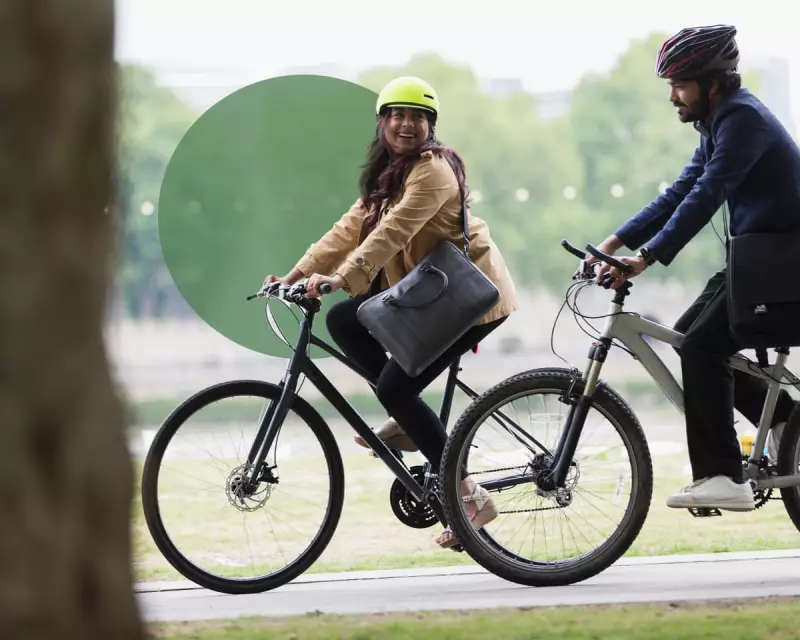
Transport represents one of the fastest routes to cutting a company's carbon emissions. Encouraging sustainable commutes—like cycling, walking, or public transport—and opting for virtual meetings over long-haul travel can yield substantial results.
"Even cycling just twice a week can boost staff morale, improve health, and reduce emissions," Oakey notes. Workplaces can support this by providing secure bike parking, showers, and lockers. Initiatives like subsidised public transport fares or fun challenges such as joining 'Ride2Work Day' can drive participation.
The post-pandemic shift to flexible and hybrid working models also offers a major emissions saving. "One of the easiest ways to reduce transport emissions is to not travel at all," Oakey points out.
Overhauling Office Waste Systems
With UK commercial and industrial waste contributing heavily to landfill, offices have a clear duty to act. Government data from Australia highlights a stark picture, with commercial entities generating almost half of the nation's 75 million tonnes of annual waste—a statistic that mirrors global challenges.
Oakey recommends starting with a waste audit to identify key problem areas. Implementing clear, well-placed recycling stations for paper, plastics, food, and e-waste is crucial. "You can challenge staff by removing individual desk bins, encouraging them to make active decisions about recycling," she suggests.
For meetings and events, choosing caterers who offer reusable crockery and cutlery, rather than single-use plastics, can dramatically cut down on unnecessary waste.
Smart Energy and Resource Management
"The cheapest energy is the energy you don't use," Oakey asserts, recommending businesses explore government rebates for energy-efficiency upgrades. Ensuring heating and cooling systems are optimised prevents staff from resorting to inefficient personal heaters, which can skyrocket bills.
When replacing appliances, checking water and energy-efficiency ratings is key. For businesses with suitable roof space, installing solar panels can significantly reduce grid reliance and operational costs.
Building a Culture of Sustainable Progress
Both experts emphasise that sustainability is a journey of progress, not perfection. "It can be overwhelming, but it's about collective action," says Farrugia, pointing to coalitions like the B Corp Beauty Coalition which drives industry-wide change.
Success requires a partnership between passionate employee champions and supportive management. Measuring improvements and celebrating wins as a team fosters buy-in and makes the process engaging. "Making sustainability fun and showing everyone they have a stake in it is how you embed real, lasting change," Oakey concludes.