Expert Reveals Simple Bird Feeder Swap to Deter Rats This Winter
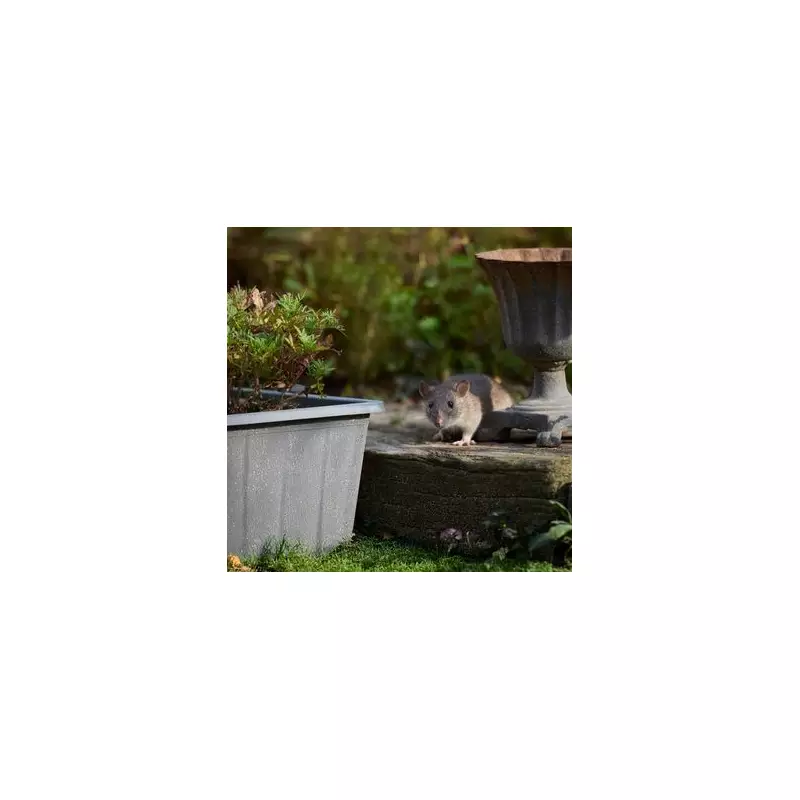
As winter tightens its grip across the UK, natural food sources for garden birds become increasingly scarce, prompting many households to offer vital sustenance through feeders. However, this well-intentioned act of kindness can inadvertently create an open invitation for less welcome garden visitors, particularly rats, who are equally desperate for nourishment during the colder season.
The Problem with Cheap Bird Food Mixes
Lucy Taylor, a respected garden bird-feeding expert at Vine House Farm Bird Foods, has highlighted a critical issue with many commercially available seed blends. She explains that budget bird food often contains substantial quantities of cheap fillers such as wheat and pulses, which most garden birds simply will not eat.
"Cheap bird food seed mixes can be a major cause for attracting rats to gardens whilst also representing a significant waste of money from a bird's perspective," Taylor states. "The problem arises because these unwanted fillers are typically turfed out of feeders by discerning birds, scattering onto the ground below where they become easy pickings for opportunistic rodents."

The Simple Swap Solution
Taylor's primary recommendation involves making one straightforward change to your feeding routine: switch to premium seed blends or single-ingredient options. High-quality alternatives like sunflower hearts are consumed more completely by birds, dramatically reducing the amount of spillage that accumulates beneath feeders.
This simple substitution not only provides better nutrition for your feathered visitors but also removes the ground-level buffet that attracts rats. By eliminating the scattered waste that rodents find irresistible, gardeners can significantly decrease the likelihood of rat infestations while still supporting local bird populations through the challenging winter months.
Strategic Feeder Placement and Design
Beyond the food itself, Taylor offers additional strategic advice for physically deterring rats from accessing bird feeders. She recommends mounting feeders on smooth metal poles rather than hanging them from fence posts or tree branches.
"Although rats are accomplished climbers who would have little trouble reaching feeders suspended from traditional locations, they struggle considerably with smooth metal feeder poles or those incorporated into metal feeding stations," Taylor explains.
For enhanced protection, gardeners can add plastic baffles to these steel poles positioned below the feeders. These devices, originally designed to prevent grey squirrels from raiding bird food, prove equally effective at stopping determined rats from reaching their target.
Nighttime Management Practices
Taylor's final recommendation addresses the specific vulnerability of ground-feeding trays, which cater to species like robins and blackbirds but can become rodent magnets after dark.
"By bringing ground-feeding trays indoors overnight and storing them securely in a garage or shed, then returning them to the garden each morning, you completely remove the overnight risk of attracting rats," she advises. This simple nightly routine allows ground-feeding birds to access food during daylight hours while eliminating the overnight buffet that might otherwise encourage rodent populations to establish themselves in your garden.
Implementing these combined strategies—premium food selection, strategic feeder placement, and thoughtful nighttime management—enables gardeners to support winter bird populations effectively while maintaining a rat-free outdoor space. As Taylor demonstrates, with careful planning and a few simple adjustments, it's entirely possible to welcome birds without inadvertently extending that hospitality to unwanted rodent guests.