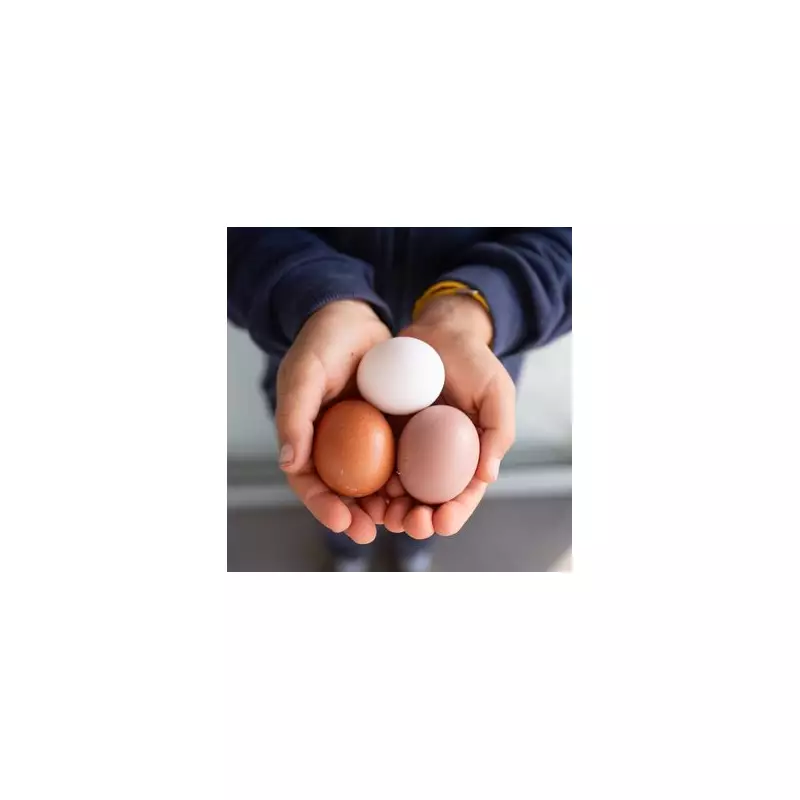
Many shoppers in the UK experience a moment of surprise upon opening a new carton from the supermarket, farm shop, or local market. Instead of the familiar brown shells, they find white eggs staring back at them.
With brown eggs dominating supermarket shelves, a box of white or mixed eggs can seem unusual. This often leads consumers to question whether there is a difference in taste, required cooking methods, or nutritional value between the two.
The Simple Truth Behind Shell Colour
After consulting multiple industry experts, the answer is remarkably clear and consistent. The distinction is purely cosmetic and boils down to one simple factor: the breed of the hen that laid it.

Richard Mew from Bedfordshire egg producer Bird Brothers stated: "The difference between white eggs and brown eggs is simple: white eggs come from white hens, while brown eggs come from brown hens. But when it comes to taste and cooking instructions there is no difference."
This view was echoed by Henry O'Connor, founder of premium egg brand Better Eggs. He explained that white eggs are mostly laid by hens with lighter feathers and earlobes, while brown eggs typically come from darker-feathered hens with red earlobes. "That's it. The difference is purely cosmetic," he confirmed.
The British Egg Information Service officially corroborates this, stating that eggshell colour depends solely on the hen's breed. In general, white hens produce white eggs and brown hens produce brown ones.
Nutrition, Taste, and Cooking: No Difference
A common misconception is that brown eggs are healthier or more natural. Paul Mason, head of food at meal delivery firm Prep Kitchen, hears this often. "People have very strong opinions about egg colour, usually because of something they were told years ago," he said, dismissing the idea that white eggs are 'processed'.
Nutritionally, experts agree there is no distinction. Destini Moody, a board-certified sports dietetics expert, advised: "White and brown eggs are essentially the same. You're getting high-quality protein, a strong amino acid profile and nutrients like choline, vitamin B12, iodine and selenium."
The British Egg Information Service confirmed that eggs are a nutritionally dense food containing vitamins, minerals and high-quality protein in less than 80 calories, whatever the shell colour.
When it comes to flavour and cooking, the shell is irrelevant. Katie Vine of Dinners Done Quick, a professional chef raised on a farm, stated that any flavour differences come from the hen's diet, the egg's freshness, or preparation method, not the shell. Both types perform identically whether scrambling, poaching, or baking.
The Earlobe Trick and Sustainability Angle
There is, however, a fascinating way to predict what colour eggs a hen will lay. Charlotte Thomas of RSPCA Assured revealed: "The colour of a hen's earlobes will often match the colour of her eggs." So, hens with dark earlobes normally lay brown eggs, while lighter-lobed birds produce white ones.
While the eggs themselves are identical, Richard Mew pointed out a key difference in the hens. White hens often have a more docile nature, making them easier to manage, more feed-efficient, and capable of producing over a longer laying cycle. These traits can make white eggs a more sustainable option, offering a greener choice without compromising on quality or nutrition.
Ultimately, the consensus from experts is definitive. The colour of an egg's shell is a genetic trait of the hen, not an indicator of quality, taste, or nutritional value. What truly affects an egg's quality is the hen's diet, welfare, and the freshness of the egg itself.