In a bold move to combat environmental injustice, Bogotá has launched its first clean air zone in one of its most impoverished neighbourhoods, Bosa, as part of a comprehensive strategy to tackle air pollution that disproportionately affects vulnerable communities. This initiative underscores the city's commitment to ensuring that clean air is not a privilege but a right for all residents.
Transforming Urban Spaces for Healthier Living
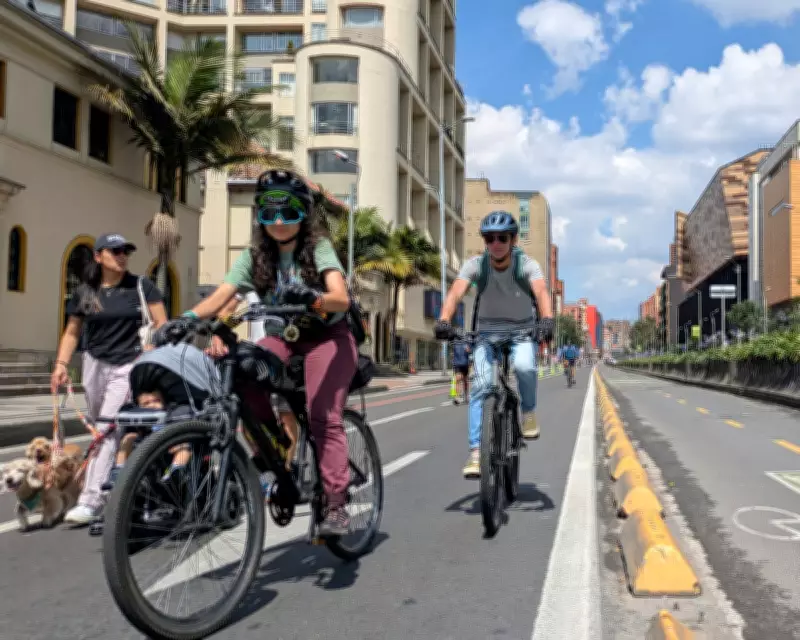
Every Sunday, streets across Bogotá are transformed into vibrant urban parks, closed to cars and filled with activities like rollerblading and cycling. This weekly event is a visible component of a broader plan to improve air quality in a city once ranked among Latin America's most polluted. Between 2018 and 2024, Bogotá has successfully reduced air pollution by 24%, marking significant progress in public health and environmental stewardship.
Embracing Sustainable Transport Solutions
Central to Bogotá's efforts is its embrace of clean transport options. The city now boasts 350 miles of cycle lanes, the largest network in Latin America, encouraging residents to opt for eco-friendly commuting. Additionally, Bogotá has quietly introduced 1,400 electric buses, forming one of the world's largest sustainable bus fleets, and is developing three new cable car lines to connect mountainous areas with the urban centre.

Organisations like Breathe Cities praise Bogotá as a model for developing economies, highlighting its dual focus on cutting air pollution and fighting climate change while reimagining urban landscapes. Jaime Rueda, the Bogotá lead at Breathe Cities, notes that the city's approach of starting clean air zones in the most polluted, rather than affluent, areas sets a powerful precedent for equitable environmental action.
Addressing Health Disparities in Bosa
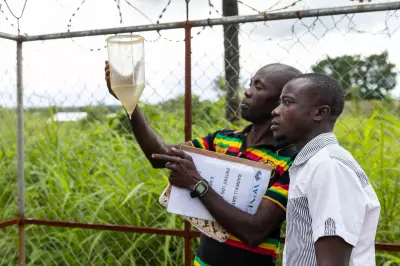
In Bosa, a southern neighbourhood home to over 700,000 socially vulnerable residents, air pollution levels exceed World Health Organization limits by more than three times. Here, PM2.5 particulates contribute to approximately 1,500 deaths annually in Bogotá, with respiratory illness rates significantly higher than the citywide average. Adriana Soto, Bogotá's secretary for the environment, emphasises that this area suffers the most severe health impacts due to factors like unpaved roads, lack of green space, and polluting freight transport.
Residents like Carolina Roches Díaz describe the constant struggle with soot and dust, which blankets everything from homes to playgrounds, leading to health concerns for children, including her three-year-old son who required oxygen at birth. Transport accounts for 17% of PM2.5 emissions in Bogotá, with trucks generating nearly half of that, exacerbated by dust from unpaved roads making up about 40% of particulate emissions.
Comprehensive Urban Planning Initiatives
The clean air zone in Bosa is part of a wider urban planning project focused on local schools, featuring 39 planned changes such as repaving roads, rerouting lorries, and creating parks and urban forests. Trees will be planted along motorways to shield residents from dust and fumes, addressing the area's deficiency in green space, which currently offers only 5 square metres per resident.
Jane Burston, chief executive of the Clean Air Fund, explains that these efforts not only clean the air but also spur positive changes like improved green spaces and public transport, generating excitement and demand from other neighbourhoods. The mayor's office has ambitious plans to plant 1,500 trees, over 2,700 gardens, 362 urban gardens, and three urban forests by 2027, including transforming bridges and the under-construction metro into walled gardens.
A Vision for Equitable Environmental Action
Mayor Carlos Fernando Galán asserts that clean air should not be a privilege, highlighting the Zumas as a means to bring environmental action to communities that have long borne the heaviest burdens. By prioritising greener, healthier streets in the most affected areas, Bogotá demonstrates how cities can protect public health and foster sustainable urban development for all residents.