Perth's Synthetic Turf Controversy: Heat Island Fears Spark Calls for Council Ban
A suburban dispute is intensifying in Perth as a growing number of homeowners replace natural lawns with synthetic alternatives, prompting urgent warnings that this trend is transforming neighbourhoods into hazardous heat traps. Calls are mounting for the City of Swan to implement a comprehensive ban on artificial lawns in residential areas, with concerned residents arguing that fake turf is exacerbating already blistering summer temperatures and creating significant public health risks.
The Heat Island Effect Amplified
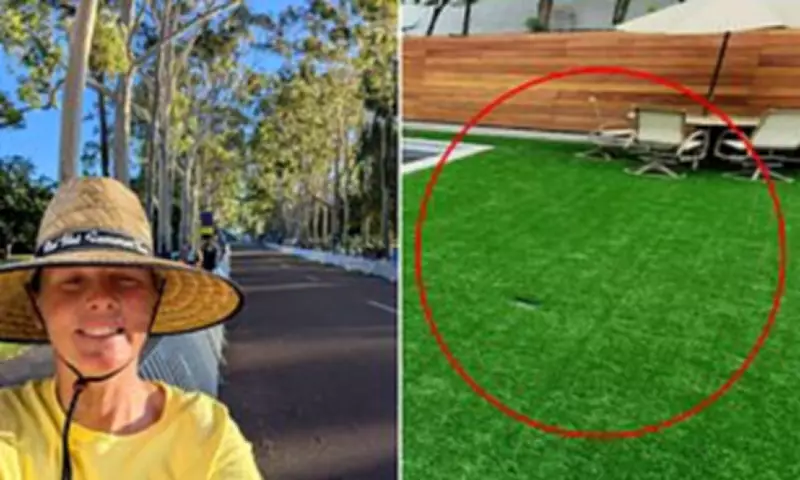
Dayton resident Catherine Dixon has emerged as a vocal critic, asserting that synthetic grass is dramatically worsening the Urban Heat Island effect by trapping thermal energy long after sunset. 'It absorbs and stores intense heat and has been reported at 60-plus degrees, which is a lot hotter than natural grass,' Ms Dixon explained to Daily Mail. 'That makes surrounding areas hotter, reduces air quality and increases energy demand for air conditioning.'
Ms Dixon contends that households surrounded by plastic lawns are paying a substantial financial penalty, with artificial turf driving up electricity bills as residents battle to maintain comfortable indoor temperatures. 'I'm sure everyone who has fake grass has their air conditioner on a lot more than people who have trees, plants and real grass,' she observed.

Environmental and Health Hazards
Beyond thermal concerns, Ms Dixon warns that artificial turf poses serious environmental threats, including irreversible damage to local ecosystems and the proliferation of dangerous microplastics. 'It destroys biodiversity, creates microplastic pollution and is extremely difficult to recycle,' she cautioned. 'Those microplastics end up in the soil and eventually in rivers.'
The resident issued a particularly stark warning for families with children and pets, noting that synthetic lawns can reach dangerously high temperatures underfoot during extreme heat events. 'It's not recommended to walk on it after a scorching day because you'll get burns,' Ms Dixon stated. 'They're significantly hotter than natural grass, concrete, and asphalt which can put people at risk of burns and heat-related illnesses.'
Following Other Councils' Lead
Inspired by successful prohibitions implemented in Fremantle, Victoria Park, and Subiaco, Ms Dixon is advocating for a complete ban on artificial turf throughout her council area. 'The trend in new developments of installing fake grass is not helping our heat island or tree canopy. It looks ugly, weeds still grow, it fades in colour, it doesn't hold its shape, and it smells,' she remarked. 'We are losing trees due to land developers and poor design. Councils should not have it as an option. Native plants, trees or real grass. Keep it real.'
National Debate and Council Actions
Artificial turf has ignited fierce debate across Australia, with several councils ordering residents to remove installations or face substantial penalties. In a notable November incident, Mermaid Beach resident Amanda Blair received an unexpected letter from Gold Coast City Council demanding she remove synthetic turf laid outside her front fence five years earlier. 'Some idiot has decided to ring council who now demand we rip it up and replace it with real grass,' she posted on social media.
Gold Coast City Council confirmed artificial turf is prohibited from road verges due to 'possible safety risks.' Council representatives explained: 'Artificial turf can become a trip hazard for pedestrians if not properly maintained and attracts significant heat.' The authority warned that 'failure to comply with the notice may result in an on-the-spot fine of $834.'
Swan Council's Current Position
While Gold Coast City Council has adopted a stringent approach against artificial turf on nature strips, the City of Swan has thus far refrained from implementing an outright ban. Instead, the council actively discourages synthetic turf use and encourages residents to opt for natural grass alternatives.

Mayor Tanya Richardson clarified the council's stance: 'While the City of Swan does not currently ban the use of synthetic turf on verges, it is discouraged.' She advocated for more sustainable approaches: 'Waterwise verges with native plants and mulch increase water efficiency and stormwater infiltration, creating a cooling effect, and provide habitat for local wildlife. Additionally, the greening of verges can be beneficial for human health and wellbeing, improving aesthetics and saving money.'
Broader Concerns Beyond Residential Use
The controversy extends beyond domestic gardens to community infrastructure. The Australian Microplastic Assessment Project has called for a five-year moratorium on new synthetic sporting fields nationwide. The group's research director, Dr Scott Wilson, described fake grass as 'insidious' and highlighted concerning knowledge gaps regarding potential long-term health and environmental impacts.
As the debate continues to evolve, Mayor Richardson has been approached for further commentary on whether mounting resident concerns might prompt policy reconsideration in the City of Swan.