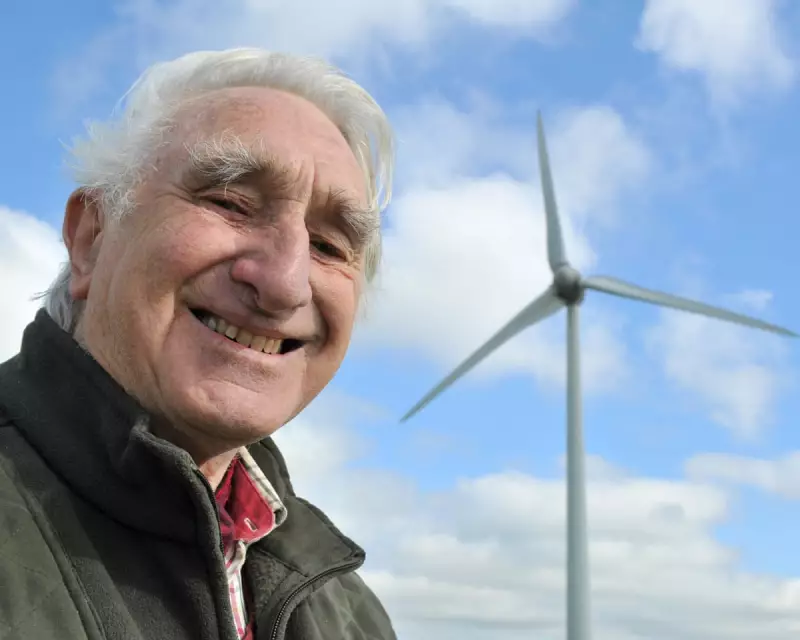
The landscape architecture world mourns the loss of Peter Edwards, the visionary designer whose transformative work reshaped Britain's relationship with urban green spaces. Edwards passed away recently, leaving behind a legacy that has fundamentally altered how cities approach nature and public spaces.
A Life Dedicated to Greening Urban Britain
Peter Edwards emerged as one of Britain's most influential landscape architects during a career spanning several decades. His pioneering approach combined environmental sensitivity with practical design, creating spaces that were both beautiful and functional. Edwards believed that green spaces should serve as the lungs of our cities, providing not just aesthetic value but crucial environmental benefits.
Throughout his distinguished career, Edwards championed the integration of natural elements into urban environments. His projects consistently demonstrated how careful planning could transform neglected areas into vibrant community hubs. He worked on numerous high-profile developments across the UK, each reflecting his commitment to sustainable design principles.
Transformative Projects and Lasting Impact
Among his most celebrated achievements were the regeneration projects that turned derelict urban sites into thriving green corridors. Edwards had a particular talent for seeing potential where others saw problems. His designs often incorporated native planting schemes, sustainable drainage systems, and accessible pathways that encouraged community interaction.
Edwards was known for his collaborative approach, working closely with local communities to ensure his designs met their needs while maintaining environmental integrity. This methodology resulted in spaces that people felt connected to and protective of, ensuring their long-term preservation and use.
A Legacy That Will Continue to Grow
The impact of Peter Edwards's work extends far beyond the physical spaces he designed. He mentored countless young landscape architects, sharing his knowledge and passion for creating sustainable urban environments. His philosophy that well-designed green spaces are essential for public health and wellbeing has influenced planning policy across the country.
Many of the parks, public squares, and urban green spaces that Britons enjoy today bear the hallmark of Edwards's visionary approach. His work demonstrated that environmental considerations and urban development need not be opposing forces, but could work in harmony to create better places to live.
As cities continue to grapple with climate change and urban density, Edwards's principles of integrating nature into built environments have never been more relevant. His legacy lives on in every regenerated brownfield site, every community garden, and every urban park that follows his pioneering approach to landscape architecture.