As autumn deepens and thermostats click on across British homes, a silent crisis unfolds on windowsills and shelves: houseplants beginning to struggle against the onslaught of dry, artificial heat. The transition from mild autumn to heated interiors can be lethal for indoor greenery if not managed carefully.
The Hidden Danger of Radiators
Many plant owners operate under a common misconception, believing the warmth emanating from a radiator provides a sun-like benefit. This is a dangerous error. Radiator heat is fundamentally different from sunlight. While sunlight fuels the vital process of photosynthesis, radiator heat is dry, stagnant, and relentless. It acts less like a nourishing beam and more like a slow cooker, steadily dehydrating both plant and soil.
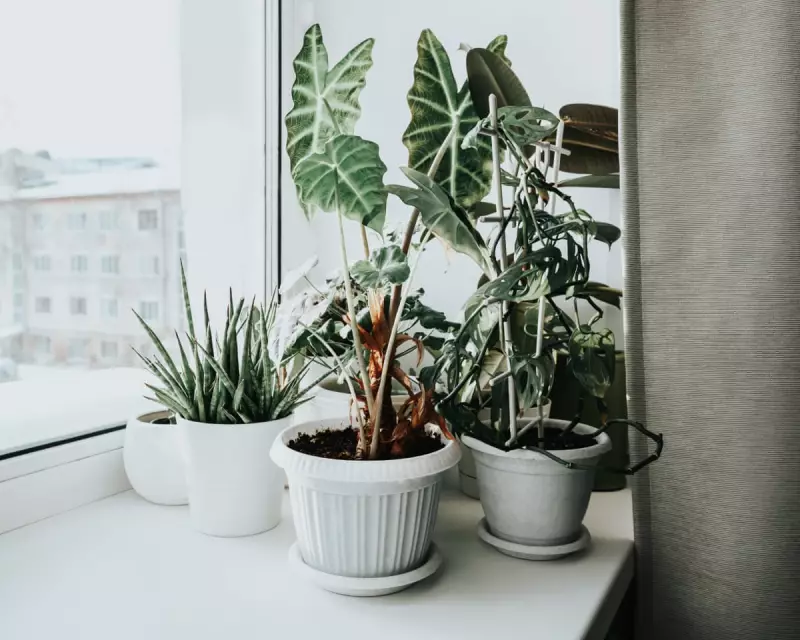
The problem is multifaceted. Warm, dry air aggressively strips moisture from delicate leaves, while soil in pots dries out at an accelerated rate. Cosy nooks beside radiators swiftly transform into arid microclimates hostile to most popular houseplants.

The Essential Pre-Winter Plant Reset
The solution lies in a proactive, seasonal reset for your plant collection, enacted before the heating begins to blast consistently. This simple ritual can mean the difference between thriving foliage and a winter of crisp, brown casualties.
The first and most critical step is relocation. Move all plants at least half a metre away from radiators, heaters, or air vents. An ideal distance provides a buffer from the direct, drying airflow.
Next, employ the power of community. Grouping plants together creates a beneficial pocket of shared humidity as they naturally transpire. For added defence against dry air, place a bowl of water near your plant groupings; as it evaporates, it will gently boost local humidity.
Ongoing Care for the Colder Months
Beyond placement, give plants some direct attention. Top-dress tired-looking soil with a fresh layer of compost to provide nutrients. Use clean shears to trim off any yellowing or damaged leaves. Gently wipe dust from foliage with a damp cloth – clean leaves can photosynthesise more efficiently.
Adjust your watering routine. As daylight hours shorten, plant growth naturally slows. This means they require less water. After the initial reset, water lightly and then allow the plants to rest and adjust in a spot with bright, indirect light.
The method here is about easing your plants into their slower winter season. By preparing them before the heating starts, you dramatically minimise temperature shock and prevent the insidious, slow-cooked dehydration that claims so many indoor plants.
A personal test underscores the importance. Last year, skipping this ritual resulted in crisped calathea leaves within mere weeks of the heating being switched on. This autumn, after implementing the gentle reset and strategic relocation, the same plants are thriving with supple leaves and no sign of brown edges.
The verdict is clear: a small, pre-emptive investment of time prevents plant carnage. Prepare your green companions now, and you can enjoy their vitality all winter long, rather than watching them slowly decline in the dry heat.