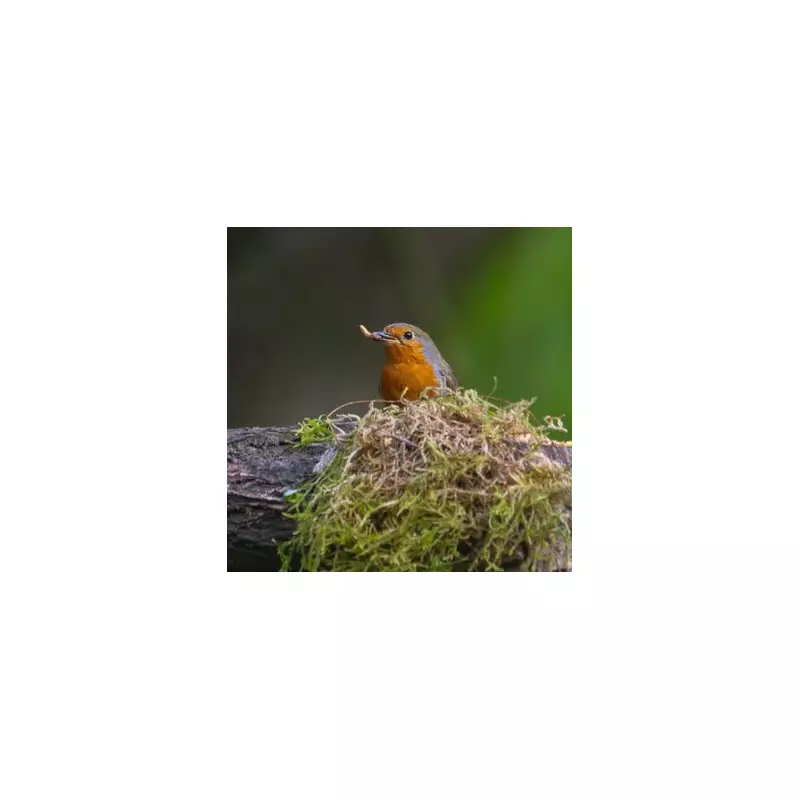
Britain's beloved robin redbreasts will soon begin their search for the perfect nesting spot, with the quest starting as early as January. To make your garden an irresistible haven for these iconic birds, specialists have issued a timely reminder about one essential job that must be completed before the year ends.
The Crucial December Deadline for Gardeners
According to advice from pet supply firm Home & Roost, reported by the Express, homeowners should ensure their bird boxes are thoroughly cleaned and prepared by New Year's Day at the very latest. The ideal window for this task is before Christmas, giving ample time for robins scouting in January.
Robins are among the first birds to nest each year, often producing two to three broods annually. Their first breeding cycle kicks off in the new year, with pairs selecting mates and locations in January before constructing nests in March. A clean, ready box significantly boosts your garden's appeal.

Why Cleaning is a Legal and Health Necessity
This cleaning is not just a recommendation but a legal requirement. Under the Wildlife and Countryside Act 1981, it is illegal to disturb active nests. The only period during which old nesting material and any abandoned eggs can be removed is between September and January.
"It is illegal to keep them," clarifies The Wildlife Trust. "Only remove eggs during this window and if you are absolutely sure they have been abandoned." Beyond legality, cleaning is vital for bird health. Boxes can harbour parasites and diseases, so an annual clean is crucial.
The Wildlife Trust provides clear guidance: "After the end of each breeding season, all nestboxes should be taken down, old nesting materials removed, and the box should be scalded with boiling water to kill any parasites. Do not use insecticides or flea-powders - boiling water is adequate."
Perfect Placement for Robin Nest Boxes
Once clean, positioning is key. Robins naturally nest in sheltered spots like log piles, tree cavities, and dense hedgerows. They prefer to be close to the ground, safe from harsh weather and predators. The British Trust for Ornithology suggests placing boxes no higher than six or seven feet.
Survey your garden for a quiet, sheltered location where robins can feel secure. If you are lucky enough to host a nesting pair, the Woodland Trust issues a vital warning: "Never go looking for the busy robin's nest - they will often abandon a nest if they feel it has been discovered."
By completing this simple yet critical task in December, you can transform your outdoor space into a sanctuary for robins, ensuring your garden plays a part in supporting this cherished British bird throughout the coming breeding season.