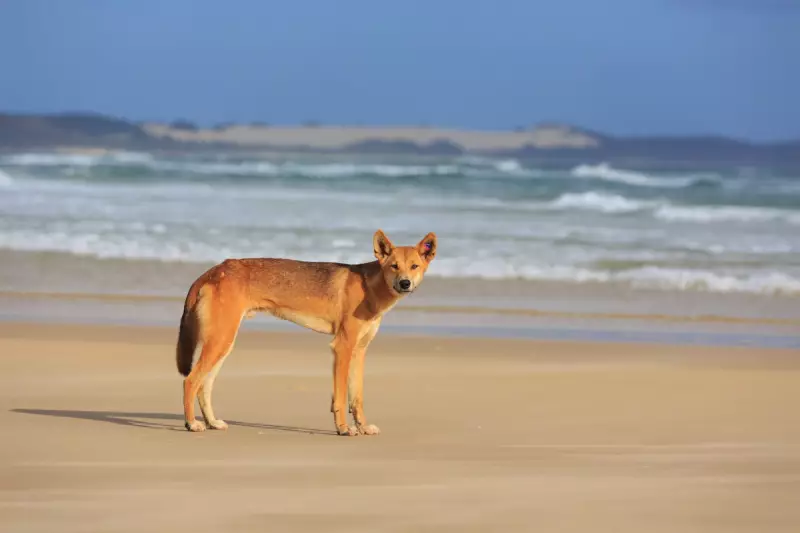
Australian authorities have euthanised six dingoes on K'gari, formerly known as Fraser Island, in response to the tragic death of a 19-year-old Canadian backpacker, Piper James. This decision has ignited significant controversy, with Indigenous groups expressing outrage and wildlife experts raising alarms about potential catastrophic consequences for the island's unique dingo population.
Backpacker Tragedy Triggers Immediate Response
The incident unfolded after Piper James was found deceased on the island, with a preliminary autopsy report indicating her death was consistent with drowning. However, the autopsy also revealed injuries consistent with dingo bites, though these were likely pre-mortem and not the immediate cause of death. Queensland officials stated that the culling was conducted for public safety, citing aggressive behaviour observed by rangers from a pack believed to have surrounded James's body.
Indigenous Outrage Over Lack of Consultation
The Butchulla people, who are the traditional owners of K'gari, have voiced profound disappointment and frustration over the decision. They emphasised that they were not consulted before the dingoes were euthanised, highlighting a broader issue of Indigenous involvement in wildlife management policies. This lack of consultation has strained relations and underscored calls for more inclusive decision-making processes in conservation efforts.

Wildlife Experts Warn of Genetic Catastrophe
Wildlife experts have issued stark warnings that the culling could severely harm the island's genetically isolated dingo population. This population already exhibits high levels of inbreeding, making it particularly vulnerable. The removal of these six dingoes could potentially trigger what scientists term an 'extinction vortex', a downward spiral where reduced genetic diversity leads to population decline and increased risk of extinction. Such an outcome would have irreversible impacts on the ecosystem of K'gari.
Broader Implications for Conservation and Public Safety
This event raises critical questions about balancing public safety with wildlife conservation. While authorities prioritise human protection, the genetic fragility of the dingo population on K'gari necessitates careful, evidence-based management strategies. The situation echoes similar challenges globally, where human-wildlife conflicts test the limits of conservation policies.
As debates continue, stakeholders are urging for a more nuanced approach that incorporates scientific research, Indigenous knowledge, and community engagement to prevent future tragedies and safeguard biodiversity.