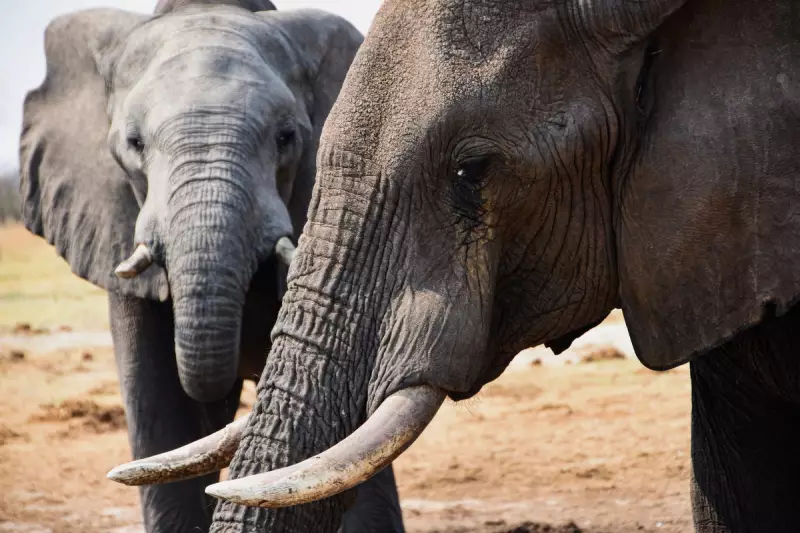
A state of emergency has been declared in parts of eastern India after a single, rampaging elephant killed at least 17 people in a series of brutal attacks. The adult male is believed to be in a state of heightened aggression known as 'musth', causing widespread fear and disruption.
Week of Terror in Jharkhand's Forests
The elephant carried out more than a dozen separate attacks over a seven-day period in the Saranda forest belt of Jharkhand. Thirteen of the fatalities occurred in just two days, marking an exceptionally violent spree that has left local communities in shock. Forest officials have mobilised a significant response team in an attempt to bring the situation under control.
Major Operation to Neutralise the Threat
Approximately 80 forest personnel, alongside experts brought in from the neighbouring state of West Bengal, are now engaged in tracking the animal. Their primary objective is to safely tranquilise the elephant and divert it to a more secure location away from human settlements. The elephant's unpredictable and erratic movements have had severe knock-on effects, including the cancellation of six pairs of trains in the region.

A Deep-Rooted Conflict
This tragic event is not an isolated incident but part of a long-standing and deadly pattern. Official records show that Jharkhand has witnessed nearly 1,300 elephant-related human deaths over the past 23 years. This underscores the intense and ongoing struggle between expanding human populations and wildlife habitats. The crisis has sparked renewed debate about conservation strategies and the protection of both human life and endangered species.
The incident follows reports of innovative attempts to reduce such conflicts, including a temple in India recently replacing a live elephant with a lifelike robot for ceremonies. However, the situation in Jharkhand presents a stark and immediate challenge for wildlife authorities on the ground.