In the realm of irresistibly cute animals that capture the public's imagination, names like Grumpy Cat, Moo Deng, or Pesto might instantly come to mind. However, these established viral stars now face fresh competition from an enchanting new creature that is rapidly dominating social media feeds across the globe.
A Precious New Arrival at the Bronx Zoo
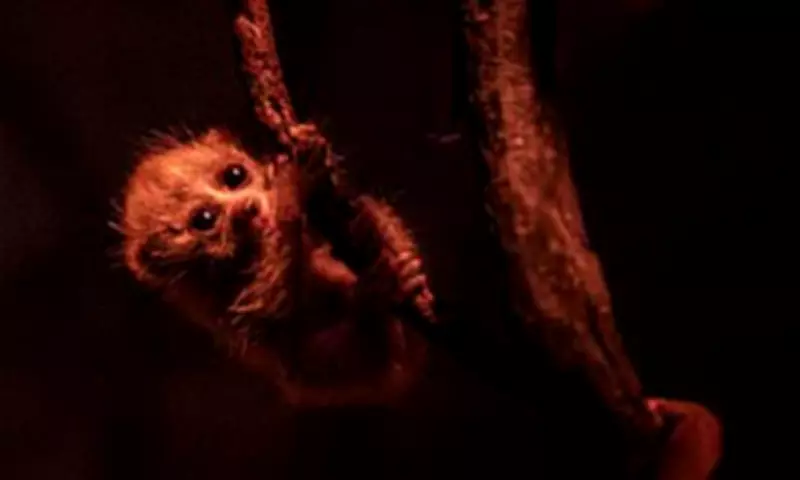
The Bronx Zoo in New York has proudly introduced its newest and most captivating resident: a baby pygmy slow loris. This remarkable birth occurred within the zoo's innovative World of Darkness exhibit, a habitat designed to simulate the nocturnal environment these creatures naturally inhabit. The infant's arrival is not merely a cause for celebration due to its undeniable cuteness; it holds significant conservation importance.
This adorable species is officially classified as Endangered on the IUCN Red List of Threatened Species. Each birth is therefore a critical event for the survival of the species, making this particular infant's arrival exceptionally special and noteworthy for wildlife experts and enthusiasts alike.

Social Media Erupts with Adoration
Although the infant has yet to be given a name or have its gender confirmed, it has already amassed a legion of devoted fans online. The zoo's decision to share video footage on platforms like Instagram and TikTok has sparked an outpouring of joy and affectionate comments.
On Instagram, one overwhelmed fan exclaimed, 'Cuteness level 3000% omg,' perfectly capturing the collective sentiment. The enthusiasm continued on TikTok, where another supporter declared, 'LETS GOOOOOOO heck yes I love these little bug eyed babies so much I wish them nothing but safety and happiness.' The creature's distinctive large eyes prompted one humorous observer to joke, 'Omg such cutie pies! The baby is basically 50% eyeballs.'
Further reactions poured in, with one commenter expressing a bittersweet feeling: 'Ugh my heart. so adorable and so endangered.' Another offered congratulations: 'Congratulations!! a wonderful accomplishment. can't wait to catch a glimpse of the family!' The sheer adoration was summarised by one simple, powerful statement: 'I'm losing my mind.'
Understanding the Pygmy Slow Loris
What makes this animal so uniquely charming? Pygmy slow lorises are often likened to living, breathing teddy bears, thanks to their large, round, forward-facing eyes that give them an eternally inquisitive expression. Their faces feature a striking pattern of light and dark fur, with distinctive circles around their eyes that some compare to whimsical clown makeup.
True to the 'pygmy' in their name, these primates are remarkably small. Even as fully grown adults, they typically measure only 6 to 10 inches in length (15 to 25 centimetres) and weigh approximately one pound. To put this into perspective, an adult pygmy slow loris is generally smaller than the average squirrel you might see in a park.
Early Life and Development
The precious infant was born on 13 December 2025. Captivating footage released by the Bronx Zoo shows the newborn being carefully carried on its mother's stomach. The mother exhibits natural behaviour, intermittently 'parking' the baby on secure branches while she forages for food—a fascinating glimpse into their early parental care.
As the weeks and months progress, the baby will gradually become more active and independent. It is expected to be fully weaned from its mother by around six months of age, marking a key milestone in its development.
A Wider Trend of Viral Animal Joy
The online frenzy surrounding the baby loris is part of a broader trend where rare and endearing animals capture the public's heart. This news follows closely on the heels of another viral sensation: a tiny crab hailed as the 'cutest in the world' by the National Oceanic and Atmospheric Administration (NOAA). That creature, with its beady black eyes and pink, spiky body, also sparked a wave of delighted comments online, proving the internet's endless appetite for wholesome animal content.
From the anxious, wide-eyed gaze of the slow loris to the spiky charm of a miniature crab, these moments offer a joyful connection to the natural world and highlight the importance of conservation efforts for these vulnerable species.