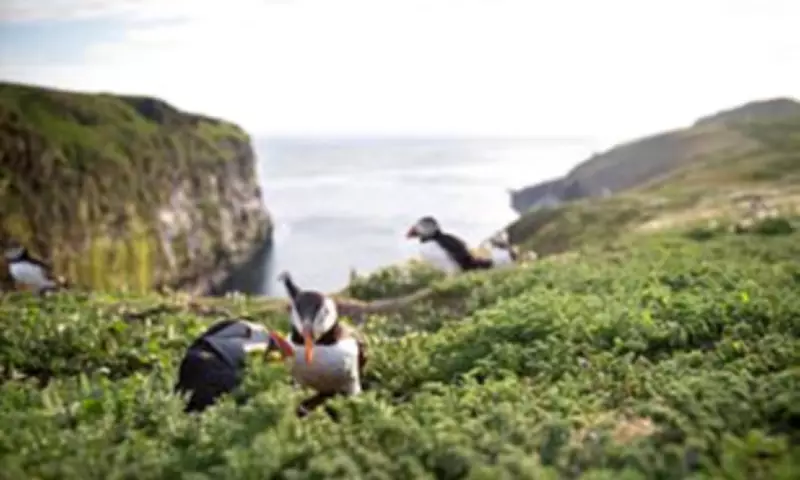
The picturesque Skomer Island, a jewel off the southwest coast of Wales, is extending a unique invitation to nature enthusiasts: stay for free while contributing to essential wildlife conservation. In exchange for lodging, volunteers are tasked with the critical job of counting puffins, among other duties, as part of a broader effort to protect this ecologically significant habitat.
A Call to Action for Conservation Volunteers
Managed by the Wildlife Trust of South and West Wales (WTSWW), Skomer Island is renowned for its annual influx of puffins, which arrive in large numbers each May to nest. The trust is currently seeking applicants for several long-term volunteer positions, offering an immersive experience in one of the UK's most important seabird sanctuaries.
Volunteer Opportunities and Responsibilities
The WTSWW is advertising for three long-term volunteer roles, with staggered durations to cover key breeding and monitoring periods. One position runs from March to July, another from April to August, and a third from July to September. Additionally, a seabird monitoring volunteer role is available from May to June, focusing intensively on the puffin population during peak season.

According to the trust, long-term volunteers are integral to the island's operations. They assist with day-to-day management, support wardens and staff with visitor engagement, and participate in wildlife monitoring. A primary duty involves counting puffins on Skomer Island, a task that requires precision and dedication.
Rob Knott, the island's visitor officer, emphasised the importance of this work in an interview with the BBC. He described puffins as 'absolutely iconic birds' and noted that counting them is 'quite a job.' The process involves systematic checks across the island, with a focus on two hours before sunset when more puffins are on land. Volunteers use clickers to tally birds on land, sea, and in the air, providing crucial data for conservation efforts.
Skills and Experience Gained
Successful applicants will gain hands-on experience in visitor engagement and various monitoring techniques on a National Nature Reserve. This includes working with seabirds, breeding birds, butterflies, moths, and marine mammals. Long-term volunteers will also receive training in path and infrastructure maintenance, learning to use relevant tools and equipment safely and effectively.
The seasonal focus of the work varies: spring centres on breeding seabirds, such as puffin counts and boat-based surveys; summer shifts to chick productivity; and autumn involves monitoring Grey Seals, Skomer Voles, reptiles, cetaceans, and moths. This diversity offers volunteers a comprehensive understanding of island ecology and conservation practices.
Perks and Practicalities
Beyond the invaluable experience, volunteers enjoy several perks. Free accommodation, including bills, is provided on Skomer Island, along with travel expenses to and from the island from within the UK, including parking costs. This makes the opportunity accessible to those passionate about wildlife without the burden of financial strain.
The Importance of Puffin Conservation
Puffins are listed as vulnerable to extinction on the International Union for Conservation of Nature's Red List, highlighting the urgency of monitoring and protection efforts. Skomer Island currently hosts over 40,000 puffins, making it an internationally important site for seabird conservation. These birds typically arrive in mid-April and remain present from May through July, aligning with the volunteer schedules.
This initiative not only supports the survival of puffins but also contributes to the broader health of the island's ecosystem. By engaging volunteers, the Wildlife Trust of South and West Wales aims to foster a deeper connection between people and nature while advancing critical research and conservation goals.