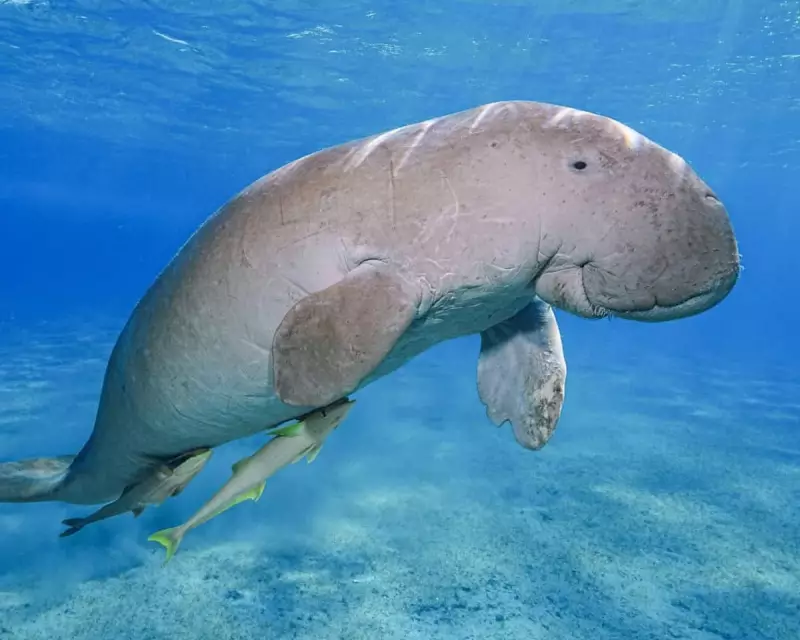
In the turquoise waters of southern Thailand, a race against time is unfolding. A prominent marine biologist, leveraging his significant social media influence, is spearheading a critical campaign to prevent the extinction of the country's most endangered sea mammal: the gentle dugong.
The Plight of Thailand's 'Sea Cows'
The dugong, a serene marine creature often called a 'sea cow', is facing a dire situation in Thai waters. Population estimates suggest fewer than 250 individuals remain along the nation's coastline, placing them on the brink of local extinction. The primary stronghold for these animals is the seagrass meadows around Libong Island in Trang province, a vital habitat that is itself under severe threat.
The challenges are multifaceted. Rapid coastal development, destructive fishing practices, and most acutely, pervasive plastic pollution are decimating the seagrass beds the dugongs rely on for food. Furthermore, these docile animals are highly susceptible to boat strikes and becoming entangled in fishing gear, leading to tragic and frequent fatalities.

An Influencer on the Frontline
Leading the charge in their defence is Thon Thamrongnawasawat, a deputy dean at Kasetsart University's Faculty of Fisheries. Recognising the power of modern communication, Thon has amassed a massive online following, using his platform not for personal fame but as a megaphone for conservation. He transforms complex ecological data into compelling, shareable content, rallying public support and putting pressure on authorities.
His work goes far beyond social media posts. Thon is intimately involved in hands-on rescue and rehabilitation efforts. He and his team are often the first responders when a sick or injured dugong is found, providing urgent veterinary care. A key part of their strategy involves the rehabilitation and release of orphaned calves, most notably a dugong named Marium, whose story captured hearts nationwide and highlighted the species' vulnerability.
Community Action and Future Hopes
The battle to save the dugong is also being fought at the community level. Local conservation groups are working tirelessly to restore seagrass meadows and clean up marine debris. There is a growing push for stronger legal protections for critical habitats and for the establishment of more effective marine protected areas where dugongs can feed and breed without human interference.
While the situation remains critical, the heightened awareness driven by Thon and others provides a glimmer of hope. It underscores a potent truth: in the digital age, scientific expertise combined with public engagement can become a powerful tool for environmental change. The story of Thailand's dugongs is a stark reminder of the fragility of marine ecosystems and a test case for whether concerted human effort can reverse a trajectory towards extinction.
The coming years will be decisive. The success of this mission depends on sustained scientific effort, robust policy enforcement, and continued public support, all galvanised by those, like Thon, who are willing to become the voice for creatures that cannot speak for themselves.