The Lynx Effect: Predator Scent Curbs Deer Browsing and Supports Forest Regeneration
A groundbreaking ecological study has demonstrated that the mere scent of predators such as lynx is sufficient to significantly reduce the time deer spend browsing on young trees. This discovery provides a novel, low-intervention tool for aiding forest recovery and highlights the critical role of large carnivores in maintaining balanced ecosystems.
Study Methodology and Key Findings
Researchers from the University of Freiburg conducted their experiment in south-eastern German forests where wolves and lynx have been successfully reintroduced. The study, published in the Journal of Applied Ecology, involved applying lynx and wolf urine and scat, alongside cow scent and water as controls, to separate plots of saplings across eleven locations.
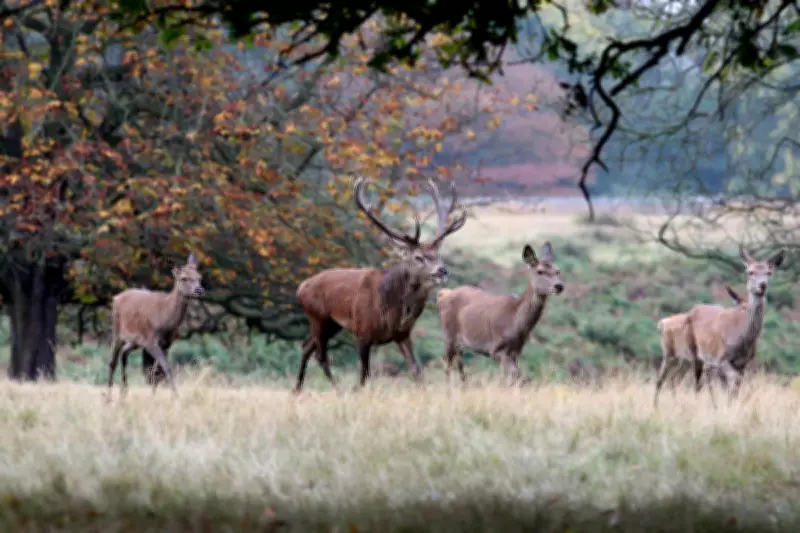
Using camera traps to monitor red and roe deer behaviour and assessing browsing damage on the planted saplings, the team made several crucial observations:

- Deer visited plots with predator scents less frequently and spent considerably less time browsing there.
- The scent of lynx proved particularly effective, leading to significantly less damage to young trees.
- Deer showed a stronger behavioural response to lynx scent compared to wolf scent, likely because lynx are ambush predators that stalk prey from close range.
- Researchers noted that wolves were still establishing themselves in the area during the study, whereas deer had more experience with lynx as predators.
Implications for UK Conservation and Reintroduction Debates
These findings arrive at a pivotal moment for British conservation efforts. Conservationists are actively exploring the possibility of reintroducing lynx to Britain, where they vanished approximately 800 years ago. The primary motivation is to address ecological problems caused by overabundant deer populations, which severely hinder woodland regeneration and contribute to declining biodiversity.
Lead researcher Walter Di Nicola emphasised the broader significance: "At a time when debates around large carnivore conservation often focus on conflicts, our study highlights the benefits these species bring to landscapes. The presence of carnivores, even just their scent, could help reduce the ecological and economic problems associated with browsing from overabundant deer populations."
Regarding potential applications in the UK, Di Nicola added: "In the UK we would expect similar but probably weaker effects. Deer still have some innate fear of predators, even if those predators have been absent for generations. Where predators return, we expect these responses – and their ecological benefits – to become stronger over time."
Current Reintroduction Prospects and Public Opinion
The research adds scientific weight to ongoing reintroduction discussions. A recent assessment concluded that lynx could thrive if released in Northumberland, with 72% of people in the project area expressing support for a potential reintroduction. However, concerns persist regarding the impact on livestock, particularly sheep.
Meanwhile, rewilding charities have launched a consultation about reintroducing lynx to the Scottish Highlands. The Scottish government has stated it does not currently intend to permit the return of "large carnivores" in the foreseeable future, highlighting the complex policy landscape.
Ecological Benefits and Future Strategies
The study demonstrates how simulating a "landscape of fear" through predator scent can alter deer behaviour and reduce browsing pressure on vulnerable saplings. Beyond scent-based deterrence, the reintroduction of lynx – which primarily prey on deer – would directly reduce herbivore numbers, offering a dual-pronged solution.
Researchers advocate that conservation strategies incorporating large carnivores could provide a natural, sustainable approach to managing deer overpopulation and supporting forest ecosystems. This approach minimises human intervention while leveraging innate ecological relationships that have evolved over millennia.

As debates continue, this research underscores that the ecological influence of predators extends far beyond direct predation, offering subtle yet powerful mechanisms for restoring balance to Britain's natural landscapes.