Molly Burkett MBE: A Life Dedicated to Wildlife and Social Justice
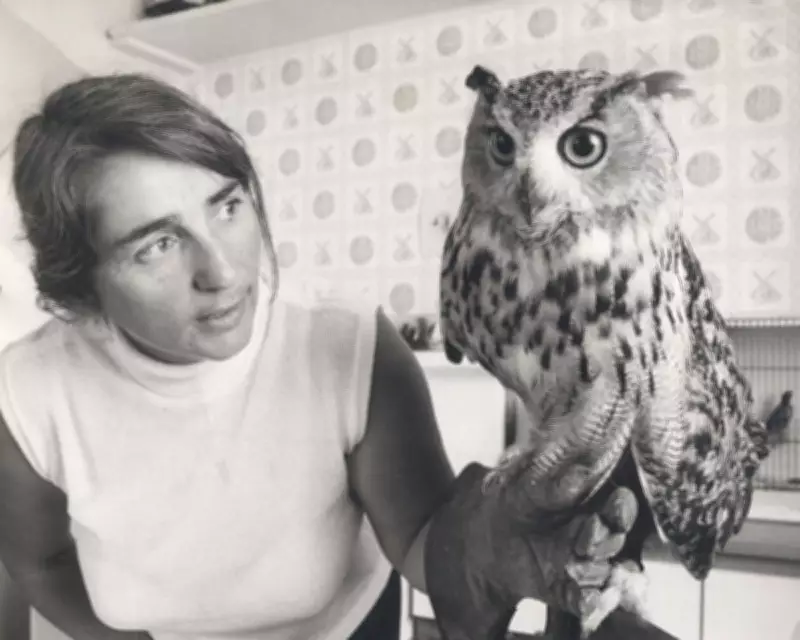
The wildlife conservation community mourns the loss of Molly Burkett MBE, a formidable writer, rehabilitator, and campaigner who passed away at the age of 93. Over six remarkable decades, she blended public service, activism, and storytelling with the hands-on work of rescuing both animals and people who found themselves marginalised by society.
Founding a Wildlife Rehabilitation Legacy
From the 1950s onward, alongside her professional roles as a teacher and educational psychologist, Molly established what would become one of Britain's most enduring private wildlife rehabilitation centres. Initially based in Hampshire before relocating to Lincolnshire, her work began modestly at home after marrying engineer John Burkett in 1954. The couple first resided in a caravan at Lasham airfield, where John contributed to the Blue Streak rocket project for De Havilland. Their dedication to animal care eventually expanded to involve hundreds of creatures simultaneously.
In 1969, with support from the RSPCA, they moved their operation to Hough-on-the-Hill in Lincolnshire, solidifying her centre's reputation. Molly's philosophy was uncompromising: she advocated for treating wild animals with respect rather than sentimentality, a principle that guided her extensive rehabilitation efforts.

National Impact and Literary Contributions
Molly's influence extended far beyond her rehabilitation centre. She played a crucial role in major environmental incidents, such as rehabilitating seabirds affected by the Torrey Canyon oil spill in 1967. Her expertise was sought by government bodies, notably advising on wildlife legislation including the pivotal 1976 Dangerous Wild Animals Act. She even supplied captive-bred ravens to the Tower of London, intertwining her work with British heritage.
A familiar presence in early wildlife broadcasting, she appeared on programmes like Zoo Time. However, she gradually shifted focus to the written word, authoring more than 120 books. Her literary career launched with High Fly in 1967, with many works inspired by the animals in her care and the people she met. Titles such as The Year of the Badger (1972) and Foxes Three (1979) earned her international acclaim and were translated into multiple languages.
Early Life and Advocacy Roots
Born in Westcliff-on-Sea, Essex, to Topsy and Jack Preece who operated a grocer's shop, Molly developed a keen awareness of social inequality from a young age. Her childhood was marked by multiple evacuations during the Second World War, exposing her to both deprivation and profound kindness. These experiences forged a fierce sense of justice and a lifelong refusal to accept hardship as inevitable.
A natural storyteller, she began writing as a child and had her work published while still at school. After training at Goldsmiths' College, London University, she worked with young children, disabled pupils, and vulnerable adolescents across the UK. She was a vocal advocate for equal pay in education, organising marches and petitions in the 1950s and confronting ministers directly about poverty and neglect in postwar Britain.
Later Years and Enduring Legacy
In her later life, Molly continued her multifaceted service as a Home Office inspector of children's homes and chaired a Home Office board. She campaigned successfully against nuclear waste-dumping in Lincolnshire and provided tireless, practical support to individuals in crisis. Her contributions were recognised with an MBE in 2008, and she remained creatively active into her nineties, even singing with Vicky McClure's Our Dementia Choir.
Her husband, John, predeceased her in 2012. Molly is survived by her two children, Sophie and the author of this obituary, along with two grandchildren, Seth and Kizzie. Her legacy endures through the countless animals she rehabilitated, the policies she helped shape, and the stories she shared with the world.