The UK government has launched a comprehensive new animal welfare strategy for England, introducing long-awaited protections for wildlife and promising more humane conditions for farm animals. The plan arrives at a critical time, with winter marking a peak for pet abandonments and the seasonal slaughter of millions of turkeys for Christmas.
Farm Reforms and Hare Protections
Central to the strategy are pledges to end the use of cages for laying hens and cramped farrowing crates for pigs. The government also proposes replacing the carbon dioxide stunning of pigs with a less distressing method. Notably, farmed fish, previously largely excluded from slaughter regulations, will now be covered by new welfare rules.
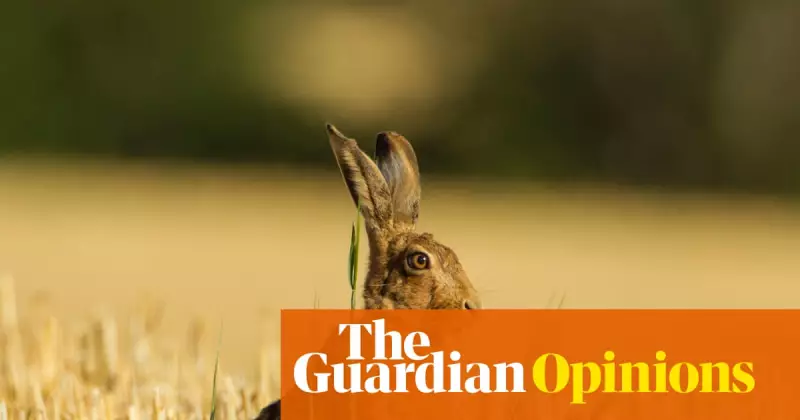
In a significant move for wildlife, England will finally introduce a 'close season' for breeding hares, making it illegal to shoot them during the months they rear their young. As former Environment Secretary George Eustice noted, this is an overdue measure, with most other European countries already offering such protection and even the Victorians recognising its necessity.

Balancing Rural Interests and Pet Welfare
The strategy includes manifesto commitments to ban snare traps and so-called 'trail hunting', a practice already outlawed in Scotland. Ministers acknowledge the need to tread carefully to avoid conflict with countryside organisations, especially following recent policy U-turns affecting rural communities.
The plan recognises that higher welfare standards could impact farmers and pledges to use trade policy to protect them from lower-welfare imports gaining an 'unfair advantage'.
For the nation's pets, estimated to include 10.6 million dogs, the strategy aims to balance owner interests with animal welfare. A new registration scheme for dog breeders and a review of international pet rescue schemes are proposed to tackle issues stemming from the recent pet boom. However, the success of these measures hinges on proper enforcement by adequately resourced councils.
A Popular But Incomplete Vision
While the government rightly highlights that animal welfare is popular with the public, the strategy sidesteps trickier issues. It does not address the environmental impact of pets, carbon emissions from intensive farming, or the need to reduce overall meat consumption.
Much of the plan is subject to consultation and may take years to implement, with other UK nations like Wales already ahead on bans such as those on electric shock collars. Nevertheless, the core message is clear: in a rapidly changing world, the law must evolve to ensure animals are treated with compassion, not cruelty.