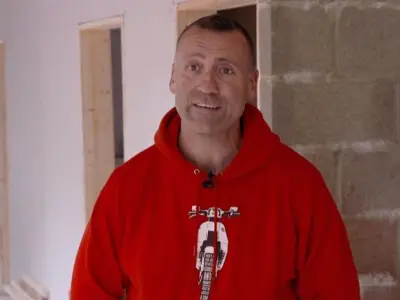
BBC presenter and naturalist Chris Packham has issued a stark warning that the UK's beloved tradition of feeding garden birds may need to be reconsidered to protect the nation's wildlife from devastating diseases.
The Dilemma: Nourishment vs. Disease
Speaking ahead of the return of Winterwatch on BBC2, Packham explained the nation finds itself in a conservation quandary. Brits spend an estimated £350 million annually on bird seed, feeders, and tables, providing vital support for species struggling in the wider countryside. However, this well-intentioned practice may also be facilitating the spread of fatal illnesses transmitted through bird saliva.
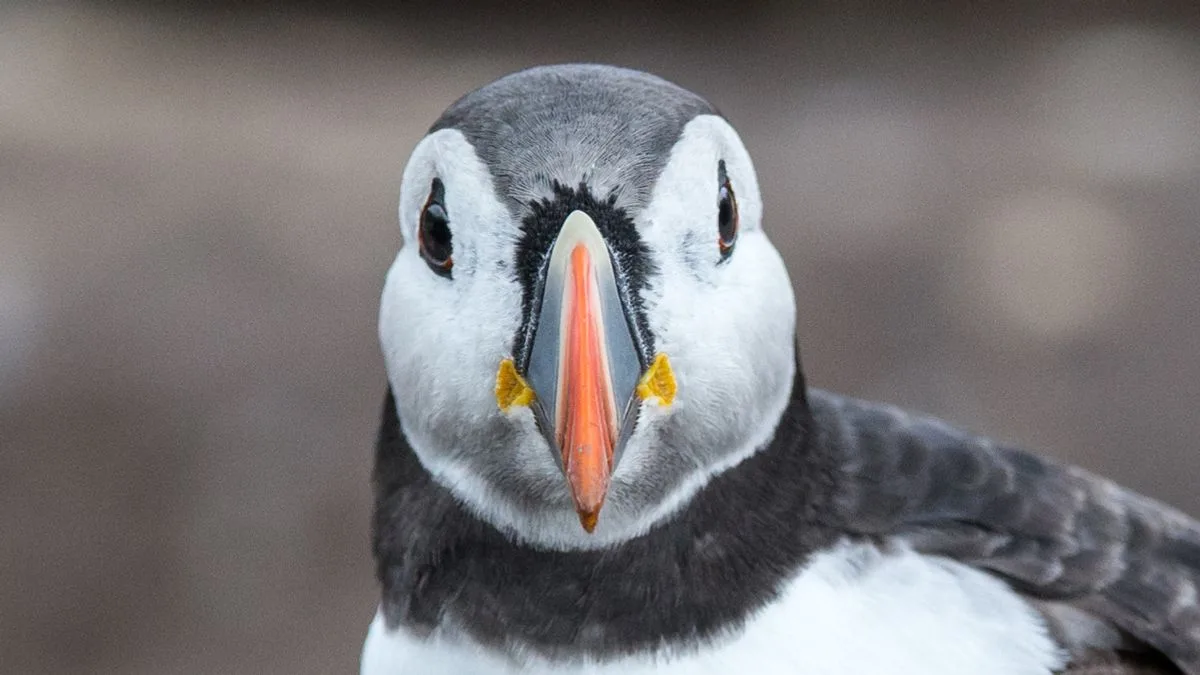
"We really are between a rock and a hard place," said the 64-year-old broadcaster. He highlighted that diseases like trichomonosis have severely impacted finch populations, including greenfinches, chaffinches, and goldfinches. Another illness is now "hammering our blackbirds," particularly when they consume food dropped on the ground.
A National Habit in Need of Change
Packham acknowledges that asking the British public to stop feeding birds, especially during the winter months, is a monumental request. He describes the activity as a "national institution." However, he draws a parallel with the public shift in attitudes towards picking up dog waste, suggesting change, while slow, is possible with clear evidence.
"I think at first people won't do it," he admitted. "In some places, it may well be appropriate to feed the birds, and in others it might not." The presenter has adopted his own rigorous hygiene routine at his New Forest home, sterilising his five feeders in biodegradable fluid after each use. He even ceased feeding entirely for two months last winter after his dogs discovered dead chaffinches.
Winterwatch's Role: Presenting the Science
The new series of Winterwatch, which begins on Tuesday at 7pm, will tackle this contentious issue head-on. Broadcasting live from the National Trust’s Mount Stewart estate in County Down, Northern Ireland, the programme aims to present the scientific research to help viewers make informed decisions. "The jury’s out," said Packham, confirming the topic will be debated throughout the week-long show.
The new location, a haven for red squirrels on the shores of Strangford Lough, will also offer spectacular wildlife footage. Thermal cameras will capture nocturnal activity from pine martens, otters, and badgers, while ducks and geese from Scandinavia populate the water.
Packham also defended the show's commitment to portraying the raw reality of nature, referencing a previous episode where a fox hunted and ate a stoat. "Our duty is to report accurately and dispassionately," he argued. "No one cries when the blackbird eats the worms, but everyone gets upset when the fox eats the blackbird. Our job is to explain that there really isn't much difference." He stated that while the team avoids gratuitous content, predation is a fundamental part of the natural story.