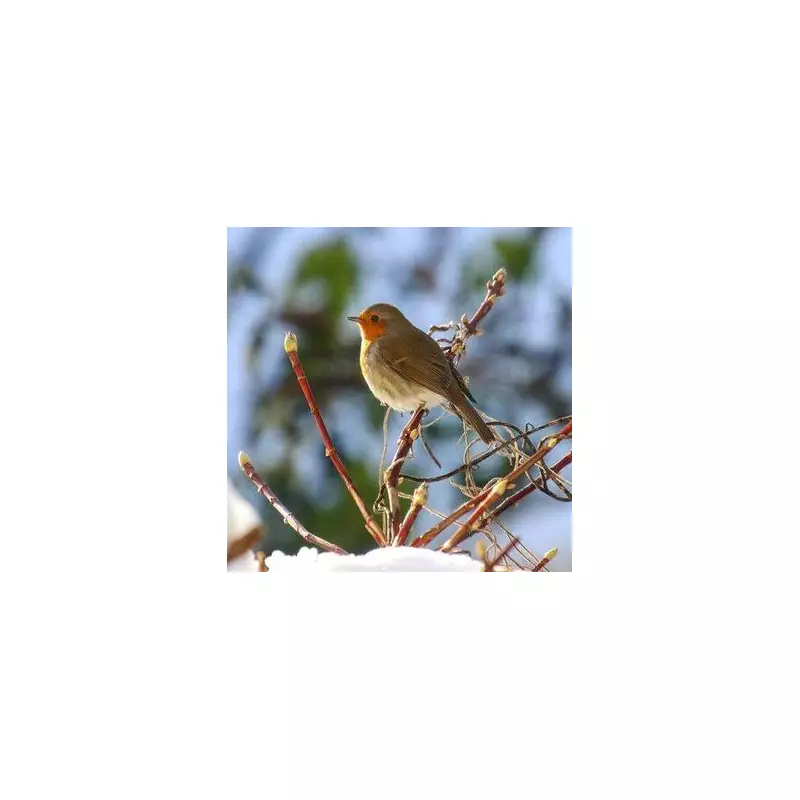
Gardeners hoping to see the cheerful flash of a robin's red breast this winter are being urged to postpone a specific January task. These iconic birds, deeply woven into British folklore, are already busy scouting locations and building nests for the spring breeding season, which can begin as early as March.
Why Hedge Trimming is a No-Go
Conservationists from both the Woodland Trust and the RSPB (Royal Society for the Protection of Birds) advise against cutting back garden hedges this month. Robins typically nest on or near the ground, favouring dense, sheltered spots within log piles, tree hollows, and especially in thick hedges like Privet, Hawthorn, Ivy, and Holly.
"Letting Ivy and Holly grow will provide a great place for birds to roost in and shelter from the elements," highlighted the RSPB. Trimming these now can disturb potential nesting sites and rob the birds of crucial shelter during the remaining winter weeks and the upcoming nesting period.
How to Actively Help Nesting Robins
Beyond holding off on the shears, you can take several positive steps to encourage robins into your outdoor space. The Woodland Trust recommends leaving out natural materials like moss, pet fur, or small twigs in accessible spots for the birds to use in their nest construction.
Providing a reliable source of fresh water is also vital. Ensure any bird bath is kept ice-free and topped up with clean water. For food, robins enjoy a varied diet including:
- Sunflower hearts and crushed peanuts
- Suet balls or cakes
- Fruit like raisins and berries
- High-quality seed mixes
Creating a Robin-Friendly Sanctuary
For those wanting to go the extra mile, consider installing a specially designed open-fronted nesting box. Position it discreetly among vegetation like shrubs or creepers to mimic their natural preference for concealed spots.
By allowing hedges to grow, supplying fresh water and food, and offering nesting materials, you transform your garden into a welcoming habitat. This simple stewardship means you're far more likely to enjoy the company of these charming birds as they settle in to raise their broods come spring.