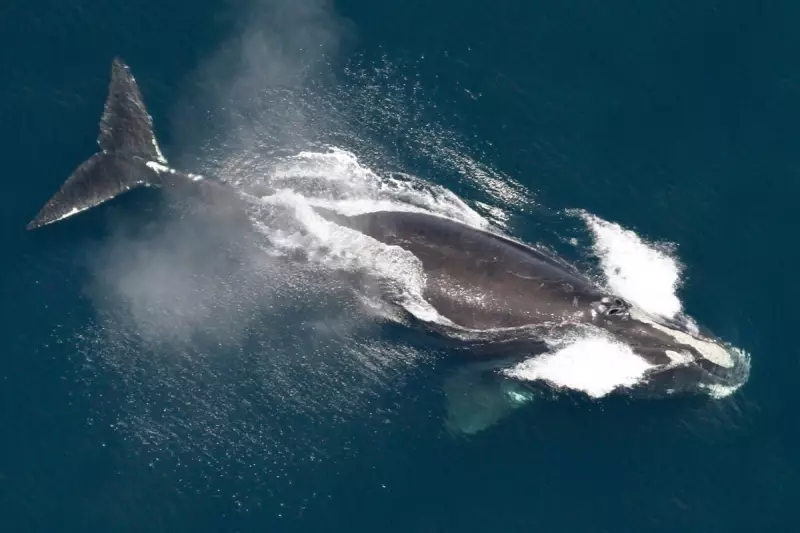
In a glimmer of hope for one of the planet's most imperilled marine mammals, the critically endangered North Atlantic right whale is experiencing a modest uptick in births this winter. However, conservationists stress that this small gain is far from sufficient to pull the species back from the brink of extinction.
A Fragile Population Shows a Faint Pulse
The National Oceanic and Atmospheric Administration (NOAA) announced on Monday that researchers have identified 15 new calves this calving season. This number surpasses the 11 calves born last winter and is higher than two of the last three seasons. The whales, which number only an estimated 384 individuals, typically give birth off the southeastern United States before migrating north to feed.
This season's figure brings the population to a level more than seven per cent above its 2020 count, marking a slow rise after years of decline. Yet, the agency was clear that this is not enough. NOAA stated that the species requires "approximately 50 or more calves per year for many years" to halt its decline and begin a genuine recovery.
Threats Loom Larger Than Newborns
The primary obstacles to survival remain starkly unchanged: deadly collisions with large ships and entanglement in commercial fishing gear. These human-caused dangers continue to claim whales faster than they can be replaced.
Gib Brogan, senior campaign director with the environmental group Oceana, called the current birth number "encouraging" but emphasised the species is still in grave peril. "We're not going to be able to calve ourselves to recovery," Brogan said. He highlighted that a lack of reproductive females in the diminished population makes 50 calves an unreasonable expectation for any single season.
The situation is exacerbated by policy delays. A federal moratorium on rules designed to protect the right whales is in place until 2028, and commercial fishing interests are lobbying to extend this pause further, leaving the whales vulnerable.
A Long Road from the Brink
The species' history is a testament to its fragility. Hunted to near extinction during the commercial whaling era, they have been federally protected for decades. Yet, the past decade has seen more deaths than births. A disastrous 2018 season saw zero calves born, and the whales have only reached 20 births twice since 2010.
Scientists note that whales are less likely to reproduce when they are injured or undernourished—conditions often linked to entanglements. NOAA's statement confirms the population remains in a state of crisis. While the 15 new calves offer a vital respite, the consensus is unequivocal: without stronger, enforced protections against ship strikes and fishing gear entanglements, the long-term survival of the North Atlantic right whale hangs in the balance.