Massive Influx of Red Lion's Mane Jellyfish Hits Melbourne Beaches
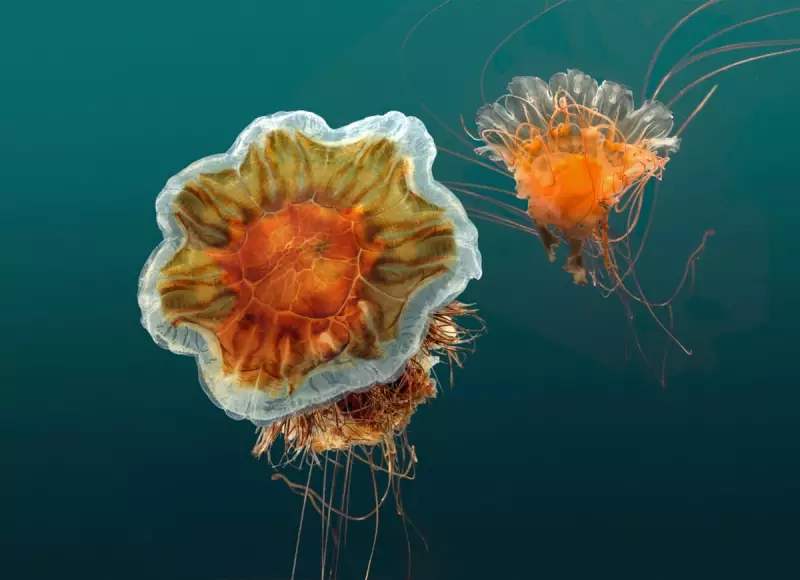
Thousands of striking red lion's mane jellyfish have descended upon Melbourne's popular coastal areas, creating a remarkable natural spectacle across Port Phillip Bay. The gelatinous invasion has seen these marine creatures wash into the shallows and onto sandy stretches from Altona in the west to Blairgowrie on the Mornington Peninsula.
Safety Warnings for Beachgoers
Local authorities and lifesaving organisations have issued urgent safety advice following the unusual jellyfish appearance. Bayside City Council, responsible for coastline areas from Brighton to Beaumaris, has emphasised the need for caution when swimming or walking barefoot on affected beaches.
A spokesperson from Life Saving Victoria provided clear guidance: "If you can see jellyfish in the shallows, don't swim. Always stick to patrolled beaches and swim between the red and yellow flags. Even jellyfish on the sand can still deliver painful stings."

The recommended first aid measures include rinsing affected areas with seawater, carefully removing any tentacles, using hot water for pain relief, and seeking immediate medical assistance for serious reactions.
Understanding the Jellyfish Bloom
Port Phillip Baykeeper Neil Blake described this large-scale bloom as a rare occurrence, noting that similar events haven't been witnessed for approximately four years. This follows another marine phenomenon in December when bluebottles washed up on Victorian beaches.
Most of the current jellyfish specimens measure about the size of a peach, but their tentacles can extend up to a metre or more in length. Some individuals reportedly grow to an impressive metre across, though these larger specimens appear less common in the current influx.
Scientific Perspective on the Phenomenon
Jellyfish expert Dr Jonathan Lawley explained that lion's mane jellyfish, scientifically known as Cyanea annaskala, are native to south-eastern Australian waters. Their recent appearance in such numbers near shorelines likely results from a combination of warm water temperatures, nutrient availability, and favourable onshore winds.
"These jellyfish aren't particularly strong swimmers," Dr Lawley noted. "They tend to drift with currents and winds, which explains why we often only notice them when tidal patterns bring them to coastal areas in significant numbers."
The expert also clarified that sensationalist fears of a "jellygeddon" caused by climate change appear overblown. While some jellyfish species may increase with global heating, others are actually declining. These marine organisms play crucial roles in ocean ecosystems, with some fish species even using jellyfish swarms as protective cover from predators.
Life Cycle and Environmental Factors
Dr Lawley further explained that the visible jellyfish stage represents just one temporary phase in their complex life cycle. Larvae, known as polyps, typically reside on the sea floor until specific environmental triggers prompt them to undergo "strobilation" - a process where they divide into numerous tiny baby jellyfish.
Potential triggers include temperature changes, rainfall patterns, or variations in food availability. Once the adult jellyfish complete their spawning phase, they typically die or become food for other marine animals, bringing the bloom cycle to its natural conclusion.
The current jellyfish presence continues to fluctuate with wind and wave conditions, though numbers have reportedly decreased from peak levels observed approximately a week ago when one Melbourne beach required temporary closure due to the substantial influx.