The Royal Society for the Prevention of Cruelty to Animals (RSPCA) has issued a stark warning to dog owners across the UK as winter tightens its grip. The charity highlights that certain dog breeds are significantly more "at risk" of developing serious health issues during the colder months, requiring their owners to exercise extra vigilance.
Which Breeds Face the Greatest Threat?
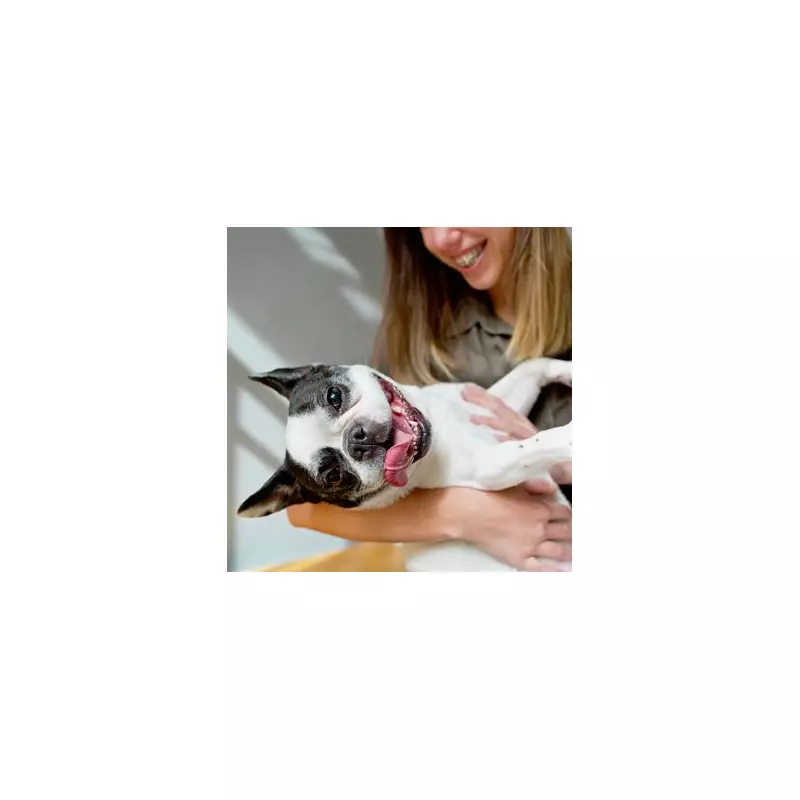
Foremost among the vulnerable groups are flat-faced, or brachycephalic, dog breeds. The RSPCA explains that their distinctive head structure, a result of selective breeding, makes them prone to respiratory problems. Cold air can exacerbate these breathing difficulties, turning a simple winter walk into a potential hazard.
The charity specifically lists the following breeds as being at high risk:

- French Bulldog
- Pug
- English Bulldog
- Shih Tzu
- Boxer
- Boston Terrier
- Cane Corso
- Pekingese
- Japanese Chin
- Affenpinscher
- Brussels Griffon
- Dogue de Bordeaux
Beyond respiratory concerns, these breeds are also more susceptible to overheating, dental issues, eye problems, and gastrointestinal troubles. The RSPCA advises owners to closely monitor their pet's weight, sleep patterns, and exercise levels throughout winter.
Other Dogs Needing Winter Vigilance
The warning extends beyond brachycephalic breeds. The RSPCA identifies several other categories of dogs that require additional care in low temperatures.
Dogs with arthritis may suffer from intensified joint pain in the cold. Providing soft, warm bedding and keeping them gently active can help manage flare-ups.
Unvaccinated dogs face a greater threat from viral respiratory infections, which can circulate more readily in winter. Similarly, dogs with poor immunity are at a higher risk of bacterial infections.
Canines kept in poor housing conditions characterised by overcrowding, inadequate hygiene, and high stress are also particularly vulnerable when temperatures drop.
Know Your Dog and Act on Warning Signs
The RSPCA stresses that while these guidelines are crucial, owners know their individual pets best. The charity urges people to use their judgement and watch for any unusual behaviours.
Key warning signs that warrant a vet visit include a sudden reluctance to go for walks, a loss of appetite, or any other significant change in normal behaviour. "All dogs react differently," the charity stated, reinforcing the importance of personalised care.
With the UK being a nation of an estimated 13 million dog owners, this alert serves as a timely reminder of the seasonal responsibilities of pet care. The RSPCA's advice covers a range of winter dangers, from hypothermia and antifreeze poisoning to arthritis and infections, all of which can pose a serious threat to canine health.