Londoner's Snake Trick Halts Parakeet Invasion on Bird Feeders
Rubber snakes deter invasive parakeets from bird tables

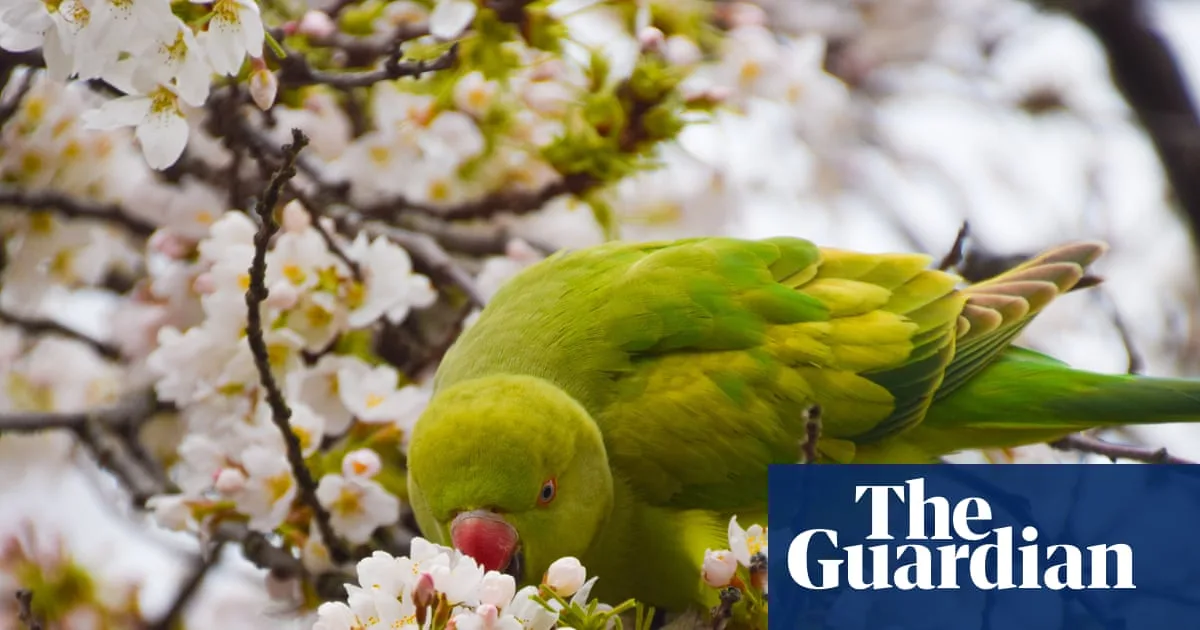
The rapid expansion of non-native ring-necked parakeets across the UK, particularly in London, is causing significant concern for gardeners, conservationists, and native bird species. A recent Guardian report on the issue has sparked a lively correspondence from readers sharing their experiences and ingenious solutions.

A Flashmob on the Feeder

For one west London resident, Stephen Pound, the problem became personal when flocks of the bright green birds began dominating his garden bird tables. He described them as "flashmobs" whose "rapacious greed" successfully drove away many of the long-established native avian visitors. The issue, highlighted in a report on 2 January, resonates with many in the capital who have witnessed the parakeets' dramatic population growth.

The Serpentine Solution

Refusing to surrender his garden to the invaders, Mr Pound devised a clever and harmless deterrent. Reasoning that the tropical parakeets would retain an instinctive fear of snakes within their DNA, he draped his feeders with realistic rubber serpents. The result was striking and almost immediate. The parakeets stayed away, allowing local birds like tits and finches to return and enjoy their suet and seeds in peace.

This inventive method offers a non-lethal alternative for those struggling with the birds, which are suspected to have originally escaped from captivity, perhaps from a film set or a celebrity garden.

A Wider Threat to Nature and Gardens

The letters reveal the broader ecological impact beyond bird feeders. Dr Andrew Bodey from Oxford observed that unlike native birds, parakeets rapidly devour the flowers of trees, leaving a carpet of confetti beneath. This behaviour poses a direct threat to fruit farmers and gardeners, and adds to the pressures on the UK's already diminished natural ecosystems.

Dr Bodey emphasised that while the full consequences of their continued spread may not yet be fully quantified, the general damaging pattern of invasive species is well understood. He invoked the adage "a stitch in time saves nine", suggesting pre-emptive action is crucial.

Meanwhile, from Hutton Roof in Cumbria, Nigel Walker offered a more historical, if drastic, solution by referencing a recipe for "parrot pie" from a Mrs Beeton's book, which begins with the ingredient: "1 dozen paraqueets".

The correspondence underscores a growing public engagement with the complex challenges posed by invasive species, balancing immediate practical solutions with longer-term environmental concerns.