Scotland Leads UK with Mandatory Swift Bricks in New Buildings
In a landmark move for wildlife conservation, the Scottish Parliament has voted to require the installation of swift bricks in all new buildings across Scotland. This decision, backed by the Scottish government and MSPs from various parties, aims to provide nesting sites for swifts and other endangered cavity-nesting birds, which have seen a dramatic decline in recent decades.
A Swift Response to Biodiversity Crisis
The amendment, introduced by Scottish Green MSP Mark Ruskell, mandates that swift bricks be included in new dwellings "where reasonably practical and appropriate." This contrasts sharply with the approach in the rest of the UK, where similar measures have faced resistance. For instance, in England, the Labour government rejected making swift bricks mandatory last year, opting instead to include them in non-binding planning guidance.
During the Holyrood debate, Minister Gillian Martin highlighted the urgency of the issue, noting that swift populations in Scotland have plummeted by 60% since 1995, landing them on the red list of birds of conservation concern. She praised the amendment as a practical step to bolster biodiversity and protect this iconic species, once a common sight in urban areas.

Campaigners Hail Victory and Call for UK-Wide Action
Mark Ruskell expressed optimism about the future, stating, "I'm looking forward to seeing every new building in Scotland host a family of swifts in the future." He also voiced hope that Scotland's legislation would inspire lawmakers across the UK to adopt similar measures, criticising Westminster for taking years to consider what he described as a simple yet vital initiative.
Hannah Bourne-Taylor, a prominent campaigner for swift bricks, celebrated the decision as a "landmark victory." She urged England, Wales, and Northern Ireland to follow Scotland's lead, pointing out that fewer than 40,000 pairs of swifts remain in Britain. Bourne-Taylor criticised the current guidance in England as "toothless," arguing that it fails to ensure widespread adoption by developers.
Challenges and Comparisons with Other Regions
Despite the progress in Scotland, challenges persist elsewhere in the UK. In England, national planning guidance suggests incorporating swift bricks unless there are "compelling technical reasons" not to, but this lacks legal force. A University of Sheffield study revealed that 75% of bird and bat boxes required as planning conditions for new housing were not installed upon completion.
Lord Zac Goldsmith, who has advocated for mandatory swift bricks in the House of Lords, praised Scotland's swift action, noting it took just one month to decide on the mandate. He called on England to upgrade its guidance to a statutory requirement, emphasising the ease of implementation.
In Wales, the government rejected swift bricks last year, fearing developers might use them to meet biodiversity requirements without additional nature-positive measures. Meanwhile, in Gibraltar, where swift bricks have been policy for decades, Environment Minister Prof John Cortes reported that swift populations have stabilised and increased, demonstrating the effectiveness of such measures.
Implementation and Broader Impact
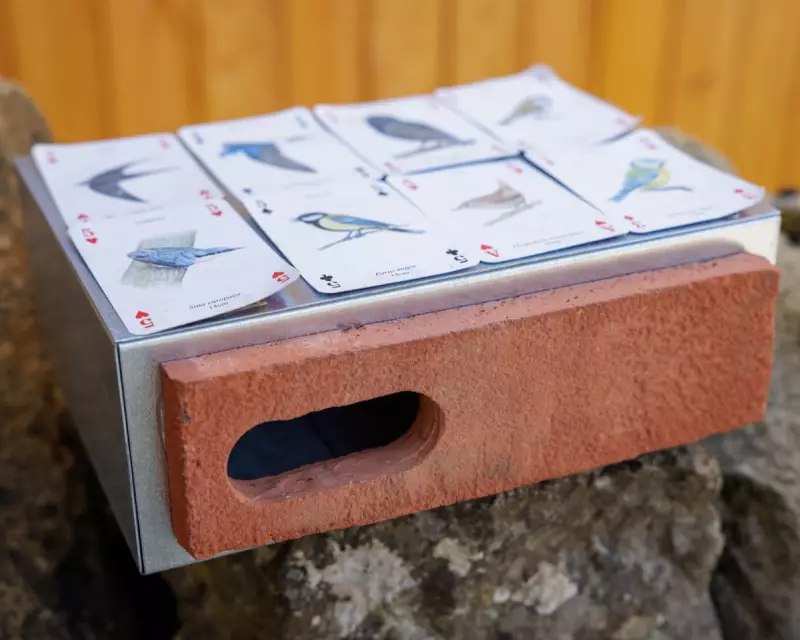
The bricks will be introduced in Scotland following a 12-month consultation to establish appropriate building standards. These hollow bricks, costing around £35 each, not only aid swifts but also benefit other endangered birds like sparrows, starlings, and house martins. Wildlife campaigners argue that swift bricks are a small but essential measure, especially as modern insulation and renovations have eliminated millions of natural nesting sites in house roofs.
This policy underscores Scotland's commitment to environmental stewardship and could set a precedent for biodiversity initiatives in construction across the UK. As swifts continue their seasonal migrations between Europe and sub-Saharan Africa, such measures are crucial for their survival and the health of ecosystems.