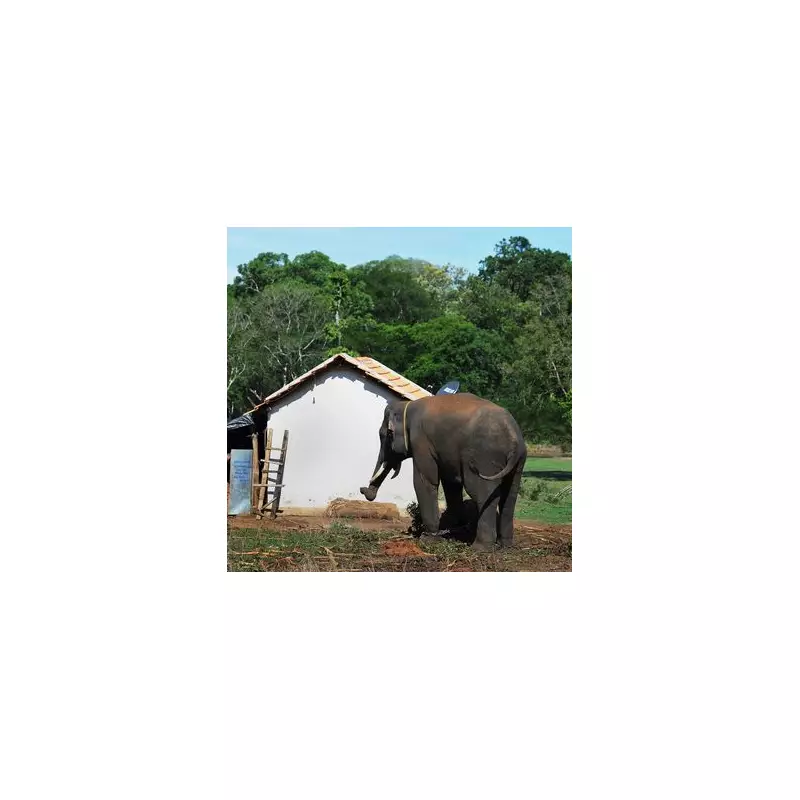
A male elephant has embarked on a deadly rampage in eastern India, killing 17 people in a series of brutal attacks that have left a community in terror.
A Deadly Start to the New Year
The killing spree began on New Year's Day 2026 in the West Singhbhum district of Jharkhand. The elephant, described as a young bull, has carried out at least a dozen separate attacks over the first days of January. The violence reached a horrific peak on January 6, when the animal killed seven people across the villages of Babadia and Sialjoda.
Among the victims were four members of the same family: a mother, father, and their two young children. In another particularly gruesome incident, the elephant decapitated 40-year-old Prakash Das. A woman also later died in a local hospital from the horrific injuries inflicted by the beast.

A Frustrating Search and Mounting Fear
Despite a major search operation involving multiple government and independent teams, authorities have so far failed to locate the rogue elephant. Divisional Forest Officer Aditya Narayan confirmed that wildlife personnel are "camping in the fields" in a desperate attempt to track the animal, but efforts have been fruitless.
"We are still camping in the fields while trying to trace the elephant with multiple teams, but it wasn’t spotted today," Narayan told the Times of India. The official noted that the elephant primarily strikes under the cover of darkness after entering human settlements, making the search more difficult.
The relentless attacks have created a climate of intense fear. Villagers are now afraid to leave their homes, and local authorities have issued public service announcements advising people on how to react during an encounter. Residents are told to avoid elephants, contact the local range forest officer immediately, and move away from the area.
The Wider Crisis of Human-Elephant Conflict
This tragic series of events is a stark example of the growing problem officially known as Human-Elephant Conflict (HEC). According to India's Ministry of Environment, Forest and Climate Change, such confrontations are becoming more frequent.
The root cause is largely attributed to habitat loss and human development, which increasingly force elephants into closer contact with villages and farms. When authorities eventually find the killer elephant, the plan is to tranquilise and relocate it to a safer, more remote location.
For now, the communities in West Singhbhum district remain on high alert, hoping the search teams can find the animal before it claims any more lives.