Somerset's Flooding Crisis: Residents Battle Rising Waters as Climate Change Intensifies
In the heart of Somerset, near the village of Moorland, a relentless battle against flooding is unfolding. Local campaigners are urgently calling for upgrades to the Northmoor pumping station as emergency measures prove insufficient against the deluge. This struggle echoes centuries of human effort to manage water in the Somerset Levels, a landscape first drained by medieval monks.
A Losing Battle Against the Elements
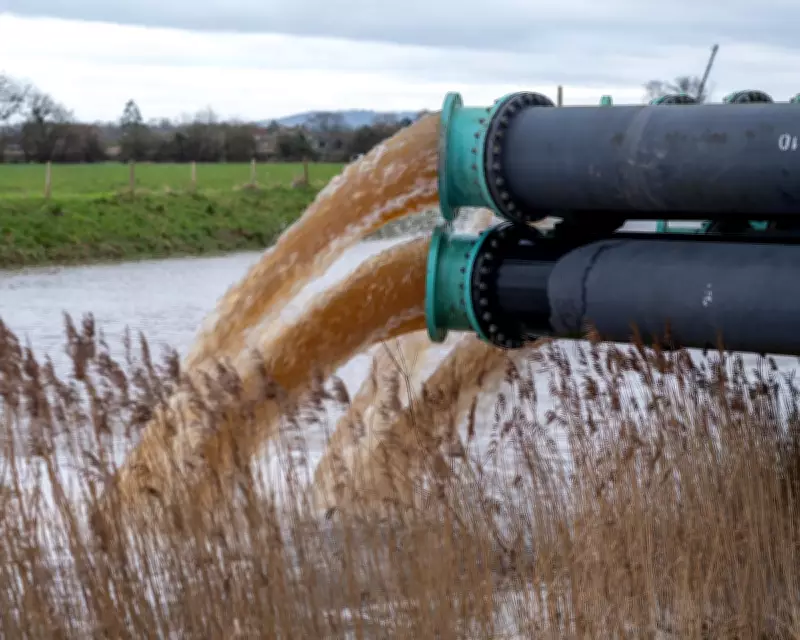
Mike Stanton, chair of the Somerset Rivers Authority, expressed a grim outlook, stating, "At the moment it feels like a losing battle." He highlighted that intense rainfall is becoming more frequent due to climate change, warning that some homes in the area might need to be abandoned within the next 20 to 50 years. Stanton spoke these words at the Northmoor pumping station near Bridgwater, where six giant temporary pumps are discharging six tons of flood water per second from the saturated moors into the River Parrett.
Emergency Measures and Growing Fears
The emergency pumps were deployed following Storm Chandra, aiming to prevent flooding in vulnerable villages like Moorland and Fordgate. These communities gained global attention in 2014 when they were inundated, leading to millions of pounds in investments for flood defences. However, by Thursday afternoon, water levels at a nearby monitoring point had reached 7.76 metres, well above the 6.6-metre threshold that signals potential property flooding. With the Met Office issuing another severe weather warning for rain, fears mounted that homes would once again be submerged.

Julian Taylor, a resident of Fordgate, had already moved many belongings upstairs in anticipation of evacuation. "I suspect we're going to have to evacuate," he said, noting that water was advancing faster than in 2014. He expressed frustration over delays in deploying additional pumps, a sentiment echoed by many locals.
Community Resilience and Criticism
In Moorland, the Notaro family, known locally as builders, were constructing a bund—an embankment—around their home using earth and stone, a tactic they employed successfully in 2014. The village hall served as an emergency hub, with an Environment Agency incident command unit and a mobile police station stationed outside. Throughout the day, villagers gathered to seek comfort and information, with some in tears over the stress of the situation.
While residents praised individual Environment Agency staff for their efforts in operating pumps and clearing silt from the River Parrett with a Dutch dredger, they criticised the agency's leadership and the UK government for inadequate action. The Flooding on the Levels Action Group warned of another "catastrophic" flood, accusing the Environment Agency of lacking agility in responding to Storm Chandra and calling for timely upgrades to the Northmoor pumping station.
Official Responses and Climate Context
Jim Flory, the Environment Agency environment manager for Wessex, defended the response, stating, "We think that our response has been ahead of the curve," with additional pumps deployed before agreed trigger points were reached. He noted record-breaking rainfall in south-west England, including Taunton's wettest seven-day period in at least 30 years, with the Parrett and Tone rivers' catchment area receiving 207% of the long-term average January rainfall.
This year, three storms—Goretti, Ingrid, and Chandra—have battered the region, underscoring the increasing frequency and intensity of extreme rainfall linked to human-caused climate breakdown. The Environment Agency and UK government emphasise investments in raised roads, improved drainage, and enhanced pumping capacity. Floods minister Emma Hardy expressed sympathy for affected residents, assuring regular contact with the Environment Agency to coordinate safety measures.
As Somerset grapples with these challenges, the fight against flooding highlights broader issues of climate adaptation and community resilience in the face of environmental crises.