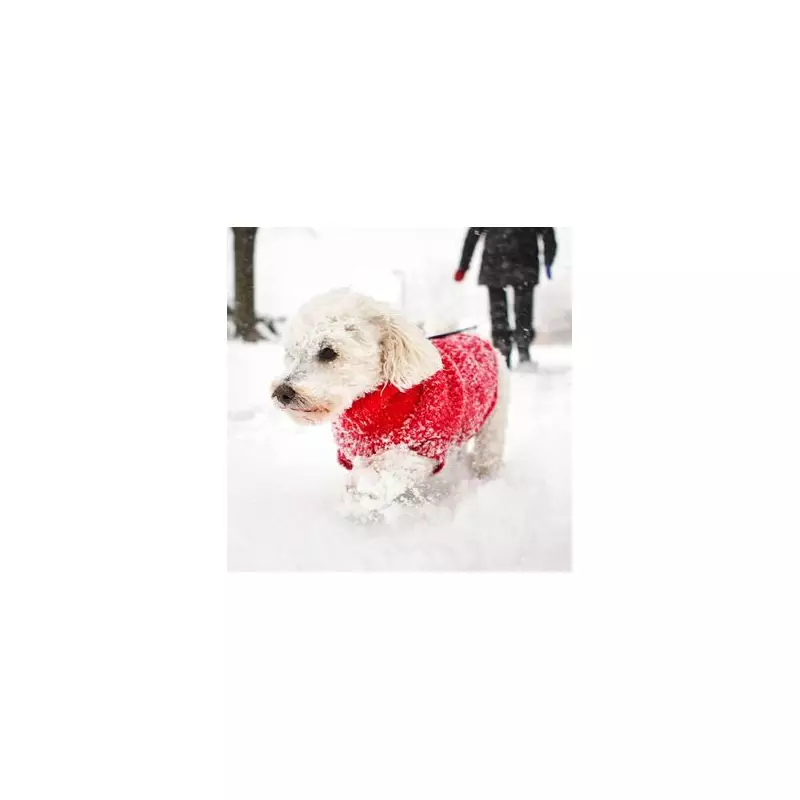
As the January freeze tightens its grip across the UK, a veterinary expert has issued an urgent reminder to dog owners about the potentially dangerous conditions for winter walks.
The Vet's Temperature Guide: From Safe to Severe Risk
Vet Dave, speaking on behalf of the Pet Health Club, has provided a clear, temperature-based method to assess the safety of walking your canine companion. He states that 15°C is the perfect, safe temperature for a dog walk. As the mercury drops, caution is required.
Between 7°C and 4°C, most dogs are fine, but small breeds, puppies, or dogs with thin coats may benefit from a protective jacket. The situation becomes more serious from 4°C down to -1°C. This range is potentially unsafe for short-haired, small, young, or elderly dogs, requiring limited walks and vigilance for signs of hypothermia.
Dave emphasises that temperatures from -4°C to -9°C, while rare in the UK, are potentially life-threatening to vulnerable dogs. The risk is significantly heightened if the dog's coat becomes wet. Once temperatures plunge to -12°C and below, there is a severe risk to all dogs, and outdoor time should be restricted to brief toilet breaks only.
Key Factors Beyond the Thermometer
While the temperature guidelines are vital, several other elements influence your dog's tolerance to the cold. Veterinary professionals highlight that the widely hazardous threshold is around -4°C or lower for most dogs.
Critical factors include:
- Breed and Coat: Larger breeds with thick double coats cope better than small or short-haired varieties.
- Age and Health: Puppies, senior dogs, and those with pre-existing medical conditions are far more vulnerable.
- Wind Chill: This can make the air feel drastically colder than the actual temperature, increasing the risk of frostbite and hypothermia.
Practical Steps to Protect Your Pet
The vet's advice concludes with practical measures owners can take. Investing in a well-fitting coat and protective boots can make a significant difference during cold spells. Most importantly, owners must observe their individual pet closely for signs of discomfort, such as shivering, whining, or lifting paws off the ground.
By combining the temperature guidelines with an understanding of their own dog's specific needs, owners can ensure their beloved pets stay safe and healthy throughout the harsh January and February weather.