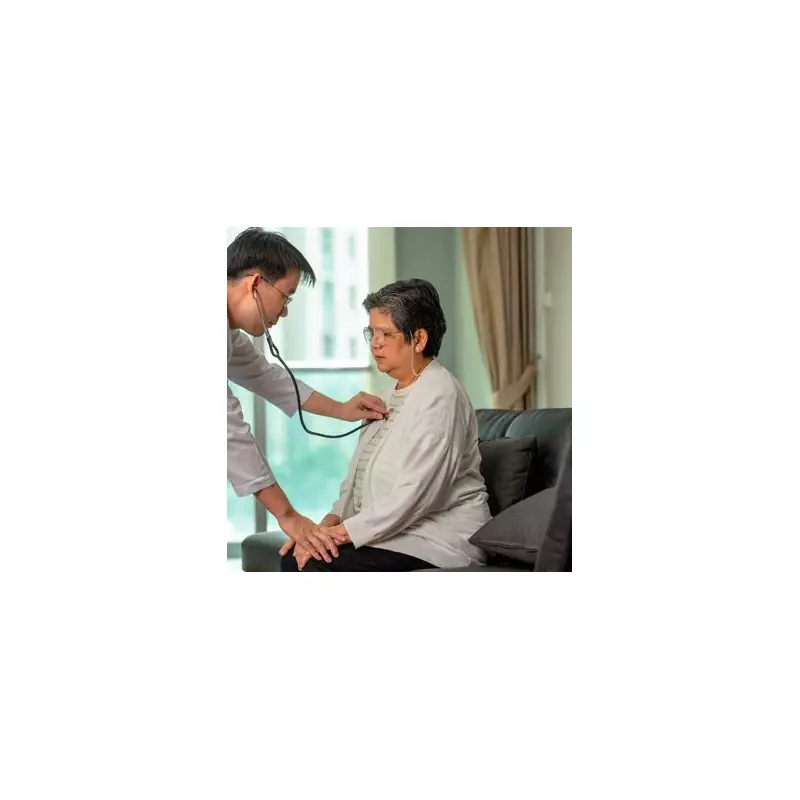
A leading heart specialist has issued a stark warning about five common but often overlooked habits that could be seriously damaging your cardiovascular health. While most people understand the risks of smoking and a poor diet, Dr Christopher Broyd, a consultant cardiologist at Nuffield Health Brighton Hospital, highlights other daily behaviours that may be putting your heart at risk.
The Hidden Dangers to Your Heart Health
In an exclusive discussion, Dr Broyd detailed the subtle yet significant ways our modern lifestyles can undermine heart function. The advice moves beyond standard guidance to focus on factors many may not associate directly with cardiovascular wellbeing.
Neglecting quality sleep stands as the first major risk. "Lack of sleep or poor-quality sleep can increase blood pressure, contribute to obesity, and disrupt the body's natural repair processes," Dr Broyd explains. Conditions like sleep apnoea are particularly harmful. His prescription is a consistent sleep schedule, even on weekends, to regulate the body's internal clock. He also advises engaging in calming pre-bed activities like reading and strictly limiting evening intake of caffeine, nicotine, and alcohol, which can fragment sleep cycles.

Sunlight, Social Bonds, and Movement
The second surprising habit is not getting enough sunlight. "A lack of sunlight exposure can lead to vitamin D deficiency, which has been linked to higher blood pressure, inflammation, and an increased risk of heart disease," the expert reveals. He recommends safe daily exposure of 15-30 minutes, especially in the morning, suggesting walks, lunch outdoors, or simply stepping outside during work breaks.
Third on the list is social isolation and loneliness. Dr Broyd warns that feeling chronically lonely can trigger stress, raise blood pressure, and impair immune function, all of which harm the heart. He encourages reaching out to friends, family, or joining clubs to build a supportive social network, emphasising that this intentional effort can directly improve cardiovascular outcomes.
Fourth, a sedentary lifestyle lacking physical activity remains a critical threat. "It can lead to weight gain, high cholesterol, and increased blood pressure," says Dr Broyd. The good news is that the solution doesn't require a gruelling gym regimen. He suggests starting modestly with walking, stretching, or short 10-minute activity bursts, and most importantly, choosing enjoyable activities like dancing or cycling to maintain motivation.
The Silent Killer: Chronic Stress
The fifth and final habit is unmanaged chronic stress, whether from work, family, or health concerns. "Prolonged stress can negatively affect the heart by raising blood pressure and increasing the risk of heart attack or stroke," Dr Broyd explains. It often leads to unhealthy coping mechanisms like overeating or smoking. To combat this, he advocates for regular physical activity to boost endorphins and mindfulness techniques such as meditation, deep breathing, or progressive muscle relaxation to calm the mind.
Dr Broyd's overarching message is clear: protecting your heart extends far beyond diet and smoking. By prioritising consistent sleep, seeking sunlight, fostering social connections, incorporating daily movement, and actively managing stress, individuals can take powerful, proactive steps towards long-term cardiovascular health. Ignoring these lesser-known factors, he cautions, could be doing more damage than you realise.