A mother from Kent has spoken of her unimaginable grief after losing both her husband and her eldest son to the same rare and often undiagnosed genetic condition.
A devastating double loss
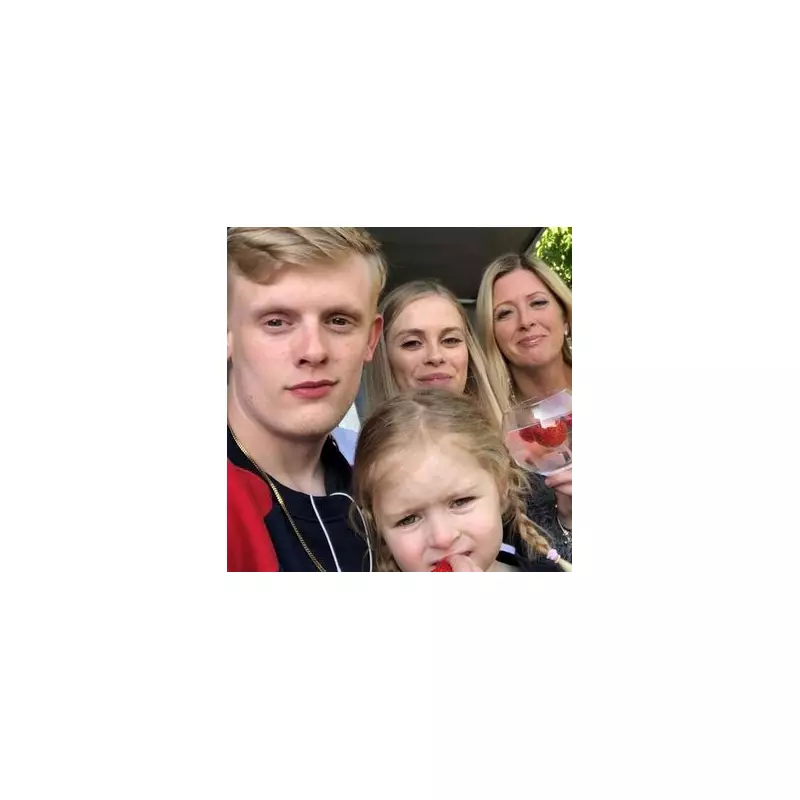
Amber Selvey, 51, from Seasalter near Whitstable, lost her husband Jason in 2017 and their son Daniel in 2023. Both men died in their sleep after going to bed with what seemed like minor coughs and colds. Tragically, each suffered a fatal cardiac arrest caused by an underlying genetic heart defect linked to Alagille Syndrome.
Jason was 47 when he died. Mrs Selvey recalled he had gone to bed feeling unwell, woke up struggling to breathe, and "passed away quite quickly after that". Their son Daniel was just 24 when he died six years later, in 2023. He had survived a cardiac arrest at home in 2021 thanks to his mother's resuscitation, but could not be saved two years on.

"When my husband passed away, it was a massive shock - really unexpected," said Mrs Selvey, a paediatric nurse. "When you essentially have somebody who's fit and well and not experiencing any problems, it's not what you expect in life."
The hidden threat of Alagille Syndrome
The family's ordeal was caused by Alagille Syndrome, a rare multi-organ genetic disorder that often goes undetected. Jason, a self-employed locksmith, was only diagnosed after his eldest son Daniel was born. Doctors had identified a cardiac condition in Daniel, which was later also found in the couple's next child.
Mrs Selvey, a mother-of-five, had to push for genetic testing after initially being told the issues were "bad luck" and that she was "paranoid". The testing confirmed Alagille Syndrome. The condition can cause:
- Serious cardiac issues and underdeveloped heart structures.
- Liver problems due to narrow bile ducts, ranging from mild jaundice to needing a transplant.
- Other potential symptoms including brittle bones, vitamin deficiencies, and distinctive facial features.
Shockingly, when her children were tested, Mrs Selvey discovered only 180 people in the UK were known to have the condition at that time - four of them were in her own family. She has two other children who also have the syndrome.
Turning grief into support for others
Following the profound loss of her son, Mrs Selvey felt a lack of formal support. This inspired her to train in counselling and set up a bereavement support group in Whitstable. The group aims to be inclusive for both mothers and fathers navigating the loss of a child.
"People who've had a loss, you can often feel isolated," she explained. "It's hard some days to get up and find a reason and a motivation, and we all need that in life. We all need connections."
Mrs Selvey, who works at the QEQM and Kent and Canterbury Hospital, is also working with the American-based Alagille Syndrome Association, which funds research into the incurable disorder. Her university studies in counselling, coaching and mentoring at Canterbury Christ Church University were supported by grants from The Evie Dove Foundation.
Howard Dove, a trustee at the Foundation, praised her work: "Amber’s compassion and expertise have a profound impact on children and their families. By funding specialist training for talented paediatric healthcare professionals, like Amber, we can spread Evie’s sparkle and help keep compassion at the heart of paediatric care."