In a significant breakthrough for oncology, a new personalised skin cancer treatment has demonstrated remarkable success in preventing the return of high-risk melanoma. Pharmaceutical giants Moderna Inc and Merck & Co announced their five-year study findings on Tuesday, revealing that patients receiving the innovative therapy were 49% less likely to die or experience cancer recurrence compared to standard treatment alone.
Groundbreaking Results from Extended Clinical Trial
The comprehensive five-year data, released by the collaborating pharmaceutical companies, confirms and extends earlier three-year results, showing consistent benefits for patients with severe melanoma. The treatment represents an investigational mRNA-based individualized neoantigen therapy that specifically targets the unique genetic profile of individual tumours.
How the Personalised Treatment Works
This revolutionary approach instructs the body how to identify and combat specific cancer cells by creating a tailored response based on each patient's tumour characteristics. Unlike broad-spectrum chemotherapy or radiation treatments that affect both healthy and cancerous cells, this highly personalised therapy focuses precisely on malignant cells, potentially offering greater effectiveness with fewer side effects.

Patients in the study received the personalised mRNA treatment in combination with Merck's established cancer drug Keytruda. The comparison group received Keytruda alone, allowing researchers to clearly demonstrate the additional benefit provided by the personalised component.
Expert Commentary on Clinical Significance
Dr Kyle Holen, Moderna's Senior Vice President and Head of Development, Oncology and Therapeutics, emphasised the importance of the findings: "Today's results highlight the potential of a prolonged benefit of the intismeran autogene and KEYTRUDA combination in patients with resected high-risk melanoma. We continue to invest in our platform in oncology because of encouraging outcomes like these, which illustrate mRNA's potential in cancer care."
Dr Marjorie Green, Senior Vice President and Head of Oncology, Global Clinical Development at Merck Research Laboratories, added crucial context: "Those who are treated for stage three or stage four melanoma face a significant risk of recurrence following surgery. These latest findings represent a meaningful milestone in addressing this clinical challenge."
The Scale of the Skin Cancer Problem
Skin cancer remains the most common form of cancer in the United States, with concerning statistics highlighting the urgent need for improved treatments. According to the Department of Health and Human Services, approximately one in five Americans will develop some form of skin cancer before reaching age 70, with around five million people receiving treatment annually.
The financial burden is substantial, with skin cancer treatment costing more than $8 billion each year in the United States alone. Melanoma specifically, while accounting for only about 1% of skin cancer cases, causes the majority of skin cancer deaths. The American Cancer Society estimates that 8,510 Americans will die from melanoma this year, comprising 5,500 men and 3,010 women.
Understanding Melanoma's Particular Dangers
Melanoma develops when melanocytes, the cells responsible for skin pigmentation, begin growing uncontrollably. What makes this form of skin cancer particularly dangerous is its propensity to spread to other parts of the body if not detected and treated early. This metastatic potential explains why melanoma, despite being relatively rare among skin cancers, accounts for most skin cancer fatalities.
Prevention remains crucial, with health authorities recommending protective measures including wearing hats, sunglasses, and protective clothing during peak sunlight hours, along with using broad-spectrum sunscreens with SPF 15 or higher. The Department of Health and Human Services specifically highlights tanning beds as responsible for approximately 6,000 melanoma cases annually.

Broader Implications for Moderna and Cancer Research
The positive findings arrive at a particularly opportune moment for Moderna, which has faced financial challenges following decreased demand for its COVID-19 vaccine. Last week, the company announced expected sales of approximately $1.9 billion, near the upper end of its previously projected $1.6 billion to $2 billion forecast. While this represents a significant decline from its pandemic-era windfall of $18.4 billion in 2022, successful oncology developments could help diversify the company's revenue streams.
Looking forward, Moderna and Merck are already testing the treatment combination in other cancer types, including lung, bladder, and kidney cancers. This expansion suggests the personalised mRNA approach may have applications beyond melanoma, potentially revolutionising treatment across multiple oncology specialties.
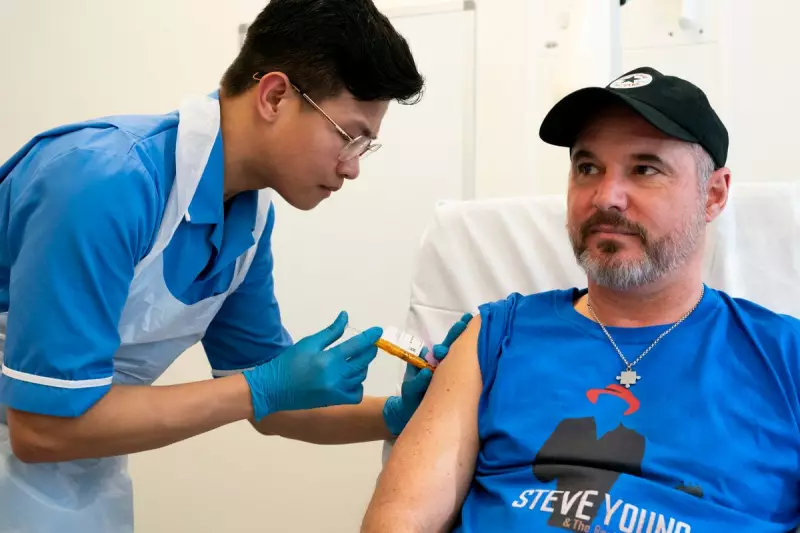
The research builds upon earlier developments, including British patient testing of the world's first personalised mRNA jab for melanoma in April 2024. As clinical trials continue and regulatory processes advance, this personalised approach represents a promising new frontier in the ongoing battle against cancer, offering hope to patients facing high-risk melanoma and potentially other malignancies in the future.