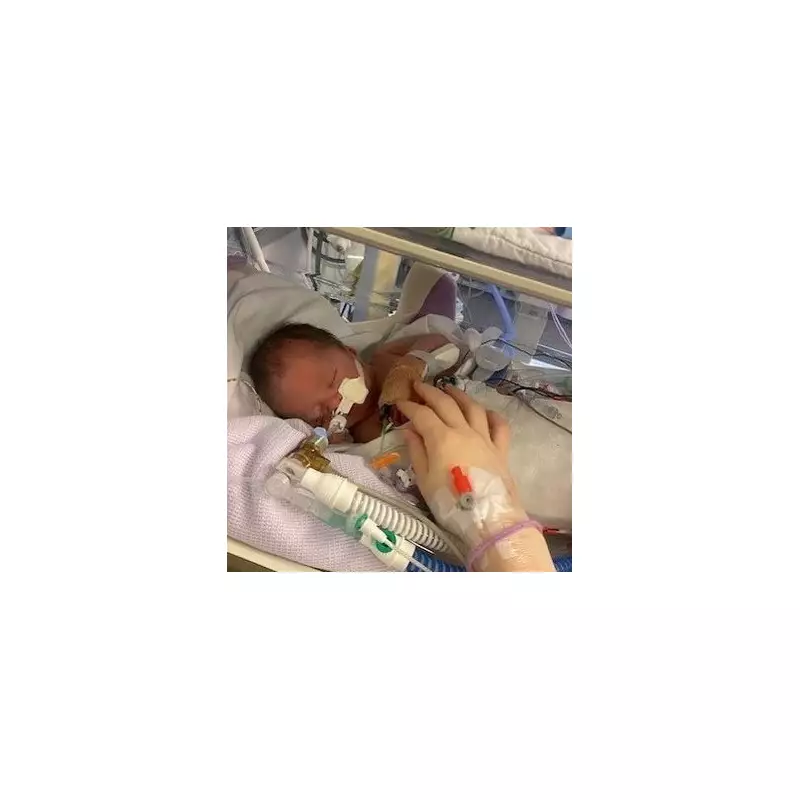
Tragic Death of Newborn After Hospital Staff Fail to Perform Vital Checks
A newborn baby tragically died at just three days old after hospital staff failed to wake his sleeping mother for essential observations on what has been described as a "chaotic" maternity ward. An internal NHS investigation has uncovered serious failings in care that likely contributed to the devastating outcome.
Critical Failures in Monitoring
Little Sonny Taylor suffered catastrophic brain damage after being starved of oxygen and developing sepsis. He was delivered in a "poor condition" via emergency caesarean section at Ysbyty Gwynedd Hospital in Bangor, North Wales, after medical staff discovered he had a dangerously low heart rate.
The investigation report revealed that just hours before the emergency delivery, staff left Sonny's mother Eve, 29, sleeping instead of waking her to carry out vital observations and monitor her unborn baby's heart rate. This critical failure occurred despite Eve having been admitted to the maternity ward earlier that day after signs of potential infection were identified.

Sequence of Events Leading to Tragedy
Eve had attended hospital on September 29, 2022, when her waters broke at 36 weeks pregnant. Initial monitoring showed Sonny's heart rate as normal, and at 6pm both Eve's observations and Sonny's heart rate and movements were classified as normal.
The crucial turning point came at 10pm when Eve was asleep and staff failed to perform scheduled checks. When Eve woke at approximately 1.30am, she was terrified to notice that Sonny had barely moved. Despite her immediate concerns about reduced movement, medical staff made the critical error of transferring her to a labour ward rather than rushing her into emergency surgery.
This decision caused a dangerous delay in Sonny's delivery, even though a registrar had already confirmed his low heart rate. Following a frantic emergency call for a caesarean section, Sonny was finally delivered at 2.03am on September 30, 2022, but there had been a 15-minute delay after his mother's transfer to the labour ward.
Devastating Outcome and Family's Anguish
The tiny baby was rushed to neonatal intensive care, but his condition continued to deteriorate. With the support of medical professionals, Eve and her partner Thomas made the heartbreaking decision to move Sonny into palliative care. He died just days later on October 3, 2022.
Eve later described the moments leading up to her son's birth as "frantic, chaotic and terrifying." She recalled: "When I awoke Sonny wasn't moving as much and I immediately knew something wasn't right. I went to sleep for my emergency c-section not knowing if I would wake up or whether my baby would make it."
Thomas added: "The day Sonny was born should have been one of the happiest of our lives, but it turned to absolute despair. We'll always believe he was badly let down when he needed help the most."
Investigation Findings and Health Board Response
The NHS investigation concluded that had Eve been woken at 10pm and monitored properly, doctors would likely have delivered Sonny earlier, potentially preventing the tragic outcome. Tests revealed that Sonny had been in distress for a "significant amount of time" before birth.
The report identified multiple failures:
- Eve should have been woken for monitoring at 10pm
- Sonny's heart rate should have been checked regularly
- Eve should have been taken directly to theatre instead of the labour ward
- An earlier delivery would likely have changed the outcome
Betsi Cadwaladr University Health Board has issued a formal apology and admitted serious failings in care. Carol Shillabeer, Chief Executive of the Health Board, stated: "We are deeply sorry for their loss and for the failures in care that occurred. We recognise the profound impact this has had on Sonny's family, and we apologise unreservedly for the distress caused."
The couple have since received an undisclosed legal settlement from the Health Board, which has committed to implementing improvements to prevent similar incidents in the future.

Broader Concerns About Maternity Care
Eve expressed concerns that their experience was not an isolated incident, stating: "Sadly, what happened to us wasn't an isolated incident and you can see and read too many stories about maternity care issues. No family wants to find themselves in the position we have but the least they deserve is for their voices to be heard so care improves for others."
The case highlights ongoing challenges in maternity care and the critical importance of proper monitoring and timely intervention in potentially life-threatening situations.