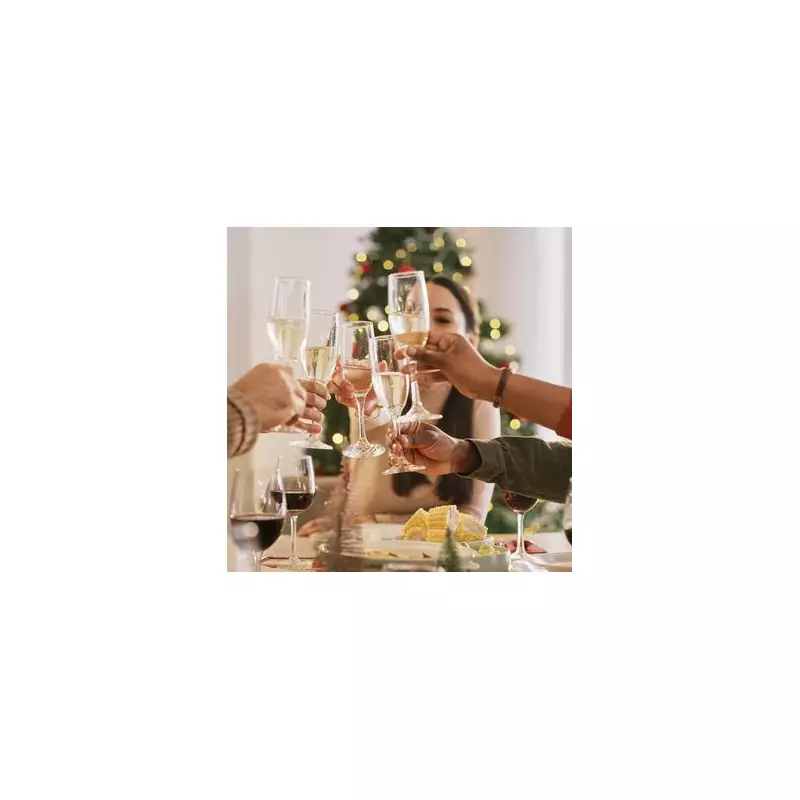
As the festive season gets into full swing, a leading dental expert has issued a stark warning to those celebrating with a glass of fizz: your favourite Christmas tipple could be secretly staining your smile.
The Hidden Danger in Your Festive Fizz
Dr Nyree Whitley, chief clinical officer at mydentist, cautions that the acidity in popular sparkling wines like Prosecco and Champagne can seriously compromise tooth enamel. With over two decades of experience, Dr Whitley explains that this acidity temporarily softens the protective enamel layer, paving the way for damage and unsightly discolouration often dubbed 'Prosecco teeth'.
The phenomenon has gained notable attention on social media platforms in recent years. Dentist Vanessa Creaven from Spotlight Oral Care reinforced the warning in a TikTok video, describing the combination of fizz and acid as "the perfect combination to cause extreme and significant erosion." She notes this erosion can manifest as thinning, translucent, or greying enamel.

How to Protect Your Smile This Christmas
Fortunately, the experts aren't just highlighting the problem—they're offering practical solutions. Dr Whitley's primary advice is to consider using a straw when drinking Prosecco. This simple switch helps minimise the drink's contact with your teeth, reducing the acid's effects.
Perhaps the most crucial tip is to avoid brushing your teeth too soon after consumption. Dr Whitley strongly advises waiting at least 30 minutes after your last drink before brushing. Brushing immediately can spread the acid around your mouth and cause further enamel damage while it's in a softened state.
Dr Creaven also suggests chewing sugar-free gum as a "natural buffer" to stimulate protective saliva production after enjoying a festive drink.
Beyond the Bubbly: Festive Oral Health Tips
The dental advice extends beyond drink choices. Dr Whitley recommends being mindful of festive snacks too. If you have a sweet tooth, consider swapping very sugary treats for dark chocolate, which is lower in sugar and less damaging.
"Better yet," she adds, "if you opt for the cheeseboard then you’ll benefit from calcium and phosphate which will help to strengthen your teeth and balance the pH level in your mouth." This can reduce harmful acids and lower the risk of cavities.
She also highlights that Christmas dinner staples like Brussels sprouts are "a great source of calcium and vitamin C," which contribute to stronger teeth.
Remaining vigilant about changes in your oral health is key. Dr Whitley urges people to watch for warning signs like:
- White, grey, brown, or black spots on teeth
- Bleeding gums
- Persistent bad breath
- Toothache or increased sensitivity
An uptick in sensitivity could indicate gum disease, warranting a dental check-up. "It's important to see your dentist if you notice anything different about your teeth over the Christmas period," Dr Whitley concludes, emphasising that balance in both diet and oral care routines is the secret to a healthy, sparkling smile throughout the festivities.