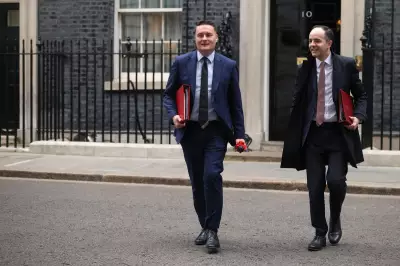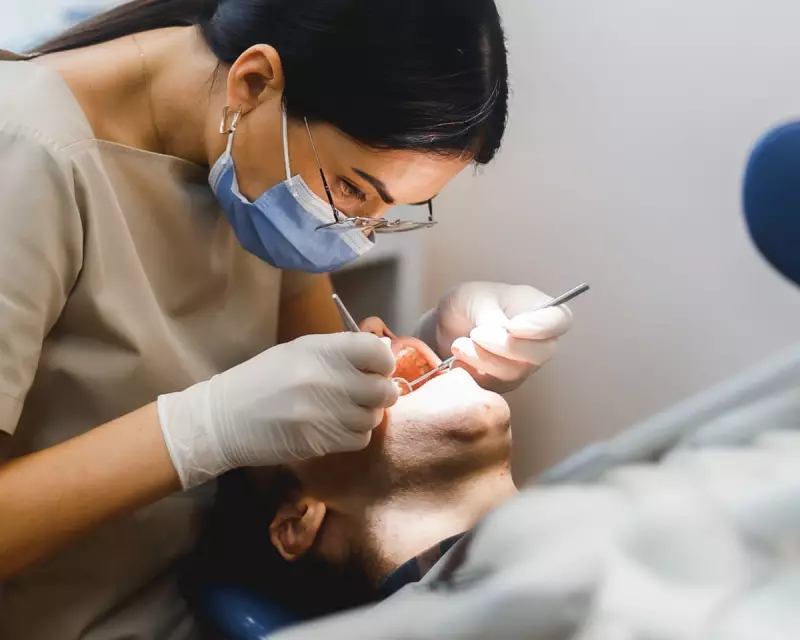
The government's proposed adjustments to the NHS dental contract have been met with widespread criticism from professionals and patient groups, who argue the changes are merely tinkering at the edges of a system in profound crisis. The core issues of chronic underfunding and a severe shortage of dentists willing to work under the current NHS model remain stubbornly unaddressed.
A System on the Brink of Collapse
The state of NHS dentistry in England is dire. Over 12 million people were unable to access timely NHS dental care last year, according to Healthwatch England. The British Dental Association (BDA) reports that a staggering 90% of practices are not accepting new adult NHS patients, with 80% closed to new child patients. This access crisis has led to a resurgence of 'DIY dentistry' and has placed immense strain on hospital emergency departments for dental problems.
The root cause is the 2006 contract, widely condemned as unfit for purpose. It prioritises hitting targets for specific treatments over preventative care and fails to reflect the true cost and complexity of modern dentistry. Consequently, dentists report working at a financial loss on many NHS procedures, making it economically unsustainable to maintain or expand their NHS commitment.

Why the New Proposals Fall Short
The government's latest offer, described as 'tweaks' by critics, includes modest increases in the fees paid for certain units of dental activity (UDAs). While presented as an investment, the BDA calculates that the real-terms funding for dentistry has been cut by over a third since 2010. The proposed changes do not constitute the fundamental, long-term reform that the profession has been demanding for nearly two decades.
Eddie Crouch, Chair of the BDA, has been vocal in his assessment, stating the proposals fail to halt the exodus of dentists from the NHS or attract new recruits. The core perverse incentives of the UDA system remain largely intact. Without a significant increase in overall funding and a move to a more preventative, patient-centred contract, the system will continue to fail. The result is a two-tier system where those who can afford it go private, and those who cannot are left with no care at all.
The Human and Political Consequences
The crisis has tangible, painful consequences for public health. Tooth decay remains the leading cause of hospital admissions for young children. Adults in pain are extracting their own teeth. The situation has become a potent political issue, particularly in so-called 'dental deserts' – regions, often in the North of England and coastal towns, where finding an NHS dentist is virtually impossible.
The government's response is seen by many as a stop-gap measure designed to manage headlines rather than solve the structural problem. With a general election on the horizon, all major parties are under pressure to present a credible plan to rescue NHS dentistry. The current proposals, however, are viewed as insufficient to stop the rot – both literally in the nation's oral health and metaphorically in the service's infrastructure. A genuine solution requires a wholesale redesign of the contract, a major multi-year funding commitment, and a serious strategy to rebuild the dental workforce.