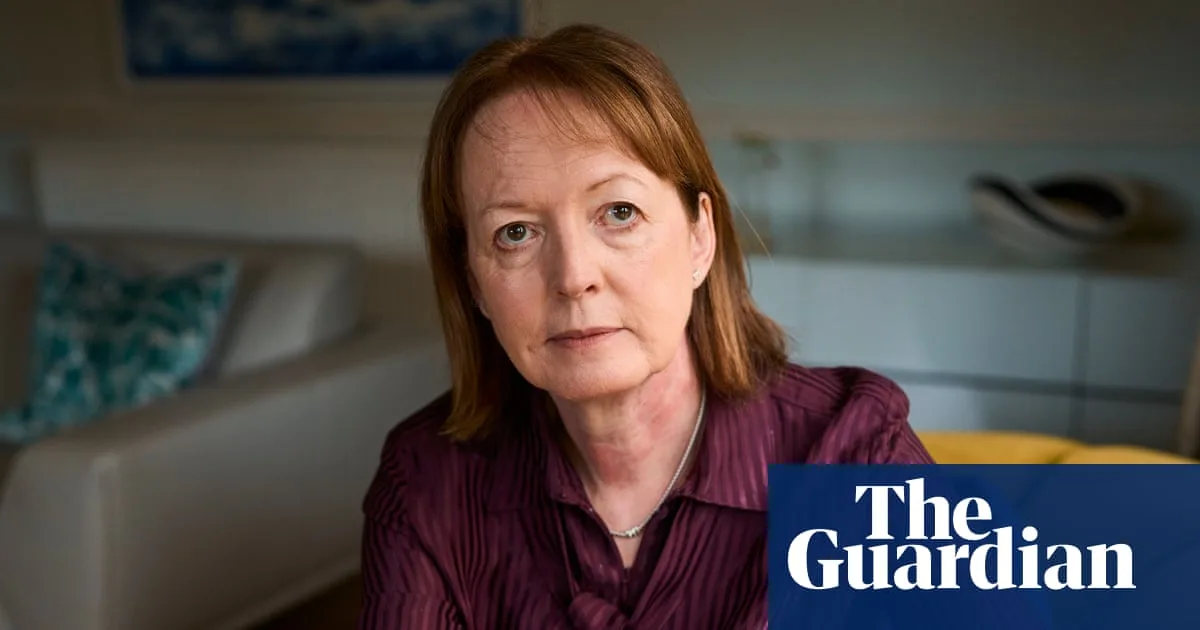
Patients within the National Health Service are being placed at significant risk due to what a former hospital chief executive describes as "sham investigations" orchestrated by NHS management to silence whistleblowers. Dr Susan Gilby, who recently secured a landmark £1.4 million payout following an employment tribunal, has issued a stark warning about the systemic failures in protecting staff who raise concerns.
A Landmark Tribunal and a Damning Verdict
Dr Gilby was awarded the substantial compensation last month after a tribunal ruled she had been unfairly dismissed from her position as chief executive at the Countess of Chester Hospital. The tribunal found that board members, including the trust's chair Ian Haythornthwaite, conspired to engineer her dismissal after she made a protected disclosure regarding his alleged bullying and harassment.
Deliberate Concealment and a 'Sham Case'
Employment Judge Dawn Shotter delivered a scathing assessment of the conduct exhibited by senior figures at the trust. Haythornthwaite, a former BBC executive, was described as an "inaccurate historian" whose testimony lacked credibility. The judge further concluded that he, along with three other senior managers—Ros Fallon, Ken Gill, and Nicola Price—constructed a "sham case" against Dr Gilby to force her out of the organisation.
Critically, the tribunal found evidence of a "deliberate intention to hide documents", with scores of private emails and WhatsApp messages being deleted despite a legal obligation to preserve them for the proceedings. The judges rejected the trust's defence that there was no intent to deceive, stating this claim held no validity given the extent of the disclosure failures.
The Personal and Professional Toll
Speaking exclusively about her ordeal, Dr Gilby revealed the profound psychological impact. "I feel desperately saddened that my NHS career has come to an end in the way it has. It's had a really deep psychological impact [and] probably taken at least 10 years of working life away from me," she stated. She described being made to feel like a "pariah in the NHS" for refusing to accept a "non-job" offer from NHS England in exchange for dropping her complaints.
A Call for Systemic Reform
Dr Gilby, a consultant in intensive care and anaesthesia, is now advocating for urgent reforms. She asserts that sham investigations are "increasingly and frequently used" to manipulate individuals out of organisations or inappropriately close down legitimate concerns. "I think it is a very common problem across the NHS. I wouldn't say it's endemic but it's happening too often and it's incredibly harmful," she warned.
Her proposals include new regulations for senior NHS managers from non-clinical backgrounds and a legally binding operational framework. She emphasises that current whistleblower protections are insufficient, leading to a culture of fear where patient safety incidents may go unreported. "We see that time and time again. I was acutely aware of how poor culture and behaviour at the very top can impact patient safety," she said.
Broader Implications and the Path Forward
Since the tribunal ruling, Dr Gilby reports being contacted by numerous other health bosses who have faced similar forced exits, suggesting the issue is not isolated. "It's not just one bad apple – absolutely not," she noted, while acknowledging many within the NHS strive to do the right thing. However, she stresses that without change, the cycle will continue, as few have the resources or resilience to challenge such practices.
Dr Gilby and her legal team are now exploring the possibility of making a criminal complaint against Ian Haythornthwaite, with alleged misfeasance in public office under consideration. Haythornthwaite, who resigned following the tribunal, denies any criminal wrongdoing and contests the tribunal's findings regarding his credibility and conduct.
A spokesperson for the Countess of Chester Hospital NHS Foundation Trust stated: "We acknowledge the tribunal's decision regarding the failures of the trust in this case. We remain focused on learning from the findings and continuing to support our staff and patients. As this matter has now concluded, we will not be commenting further."
The case highlights ongoing criticisms of NHS leadership in handling whistleblowing complaints and raises urgent questions about accountability, transparency, and the safeguarding of both staff welfare and patient safety across the health service.