Families' Fury Over Glasgow Hospital Infections Scandal
After years of steadfast denial, NHS Greater Glasgow and Clyde has finally admitted that serious infections in 84 child cancer patients, including two tragic fatalities, were probably caused by a contaminated water system at its flagship Queen Elizabeth University Hospital (QEUH). The long-awaited admission, made during the concluding stages of a six-year public inquiry, has ignited fury among bereaved families who accuse the health board of "deceit and cowardice".
Molly Cuddihy's Heartbreaking Story
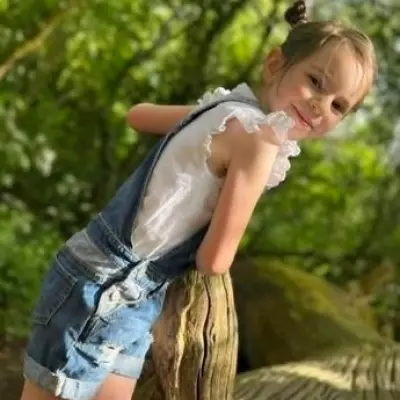
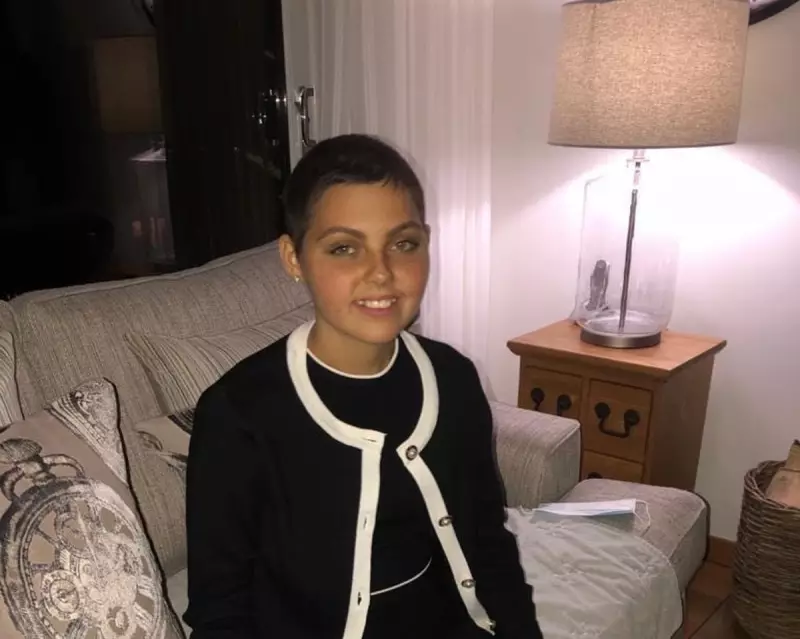
Molly Cuddihy was just 15 years old and revising for her National 5 exams when she was first diagnosed with a rare bone cancer. She received treatment at the Royal Hospital for Children and the adjacent QEUH. In 2021, aged 19, she gave evidence to the Scottish hospitals inquiry, describing the "frightening" fits and rigors she suffered after contracting a bacterial infection at the hospital while undergoing chemotherapy. "I was made sicker by the environment," she told the inquiry. Molly's father, John Cuddihy, stated the clinical care was "world-class" but the basic principles of a safe environment were simply absent. Molly died in August last year, her organs weakened by the powerful drugs used to fight the infections and her cancer.
Years of Denial and Avoidable Harm
The health board's admission this week represents a dramatic U-turn. For years, patients, families, and whistleblowers had warned management about the risks since the £842m super-hospital opened in 2015. John Cuddihy says the arduous delay in accepting the truth piled "avoidable distress and harm" on already suffering families. "The fact that Molly never got to hear those words is even more painful," he added.

In a staggering 11th-hour admission, the board also conceded the building was not ready to open in April 2015. Pressure was applied to open "on time and on budget" despite tests in December 2014 highlighting microbes in the water supply. The board acknowledged it did not have adequate staffing to maintain the new campus and unfairly downplayed whistleblower evidence.
Families' Coruscating Condemnation
As the inquiry heard final submissions, families' shock hardened into fury. In a coruscating closing statement, they described being "lied to, disbelieved, demeaned and smeared" by the health board. They stated: "We cannot overstate the level of deceit and conniving cowardice displayed by GGCH during the whole unfolding of this awful scandal. As men, women and children fell ill and died, we were all told: There is nothing to see here."
The families called for past and present leadership to "face a reckoning" and issued a chilling warning that "the QEUH is not a safe hospital" and "the current leadership of GGCH cannot be trusted to make it safe." This echoed whistleblowers who said they still had "significant concerns" about necessary changes.
Political Fallout and Criminal Investigations
Scottish Labour leader Anas Sarwar has described this as "the biggest scandal in the history of the Scottish parliament." He has suggested a cover-up goes to the top and called for criminal investigations into Scottish government ministers responsible at the time, including Nicola Sturgeon and John Swinney. Sarwar has campaigned alongside Kimberly Darroch, whose 10-year-old daughter Milly Main died in August 2017 after contracting an infection.
With the inquiry's final report due later this year, other proceedings continue:
- NHSGCC is a suspect in a corporate homicide investigation into the deaths of Milly Main, two other children, and a 73-year-old woman.
- Prosecutors are investigating Molly Cuddihy's death.
At First Minister's Questions, Sarwar demanded Swinney reveal "who applied the pressure and why" to open the hospital weeks after an internal report warned of high infection risk. Swinney responded the government was not aware until March 2018 but committed to releasing relevant documents.

Apologies and Calls for Tangible Change
NHSGCC's lawyer, Peter Gray KC, offered "an unreserved apology" for the distress and trauma, insisting the board is now a "very different organisation." However, John Cuddihy questioned this: "Where are the tangible outcomes? And if we make recommendations today, then who will be around to ensure that those are fulfilled?" He wants the Scottish government to step in "so that this never happens again."
Reflecting on his daughter's wishes, John said: "What Molly said very clearly... was that the clinicians treated her as somebody who counted. When it came to the institution, they didn't see her. And that was the most hurtful thing for Molly. She just wanted them to recognise what had happened because that enables you to implement meaningful change."