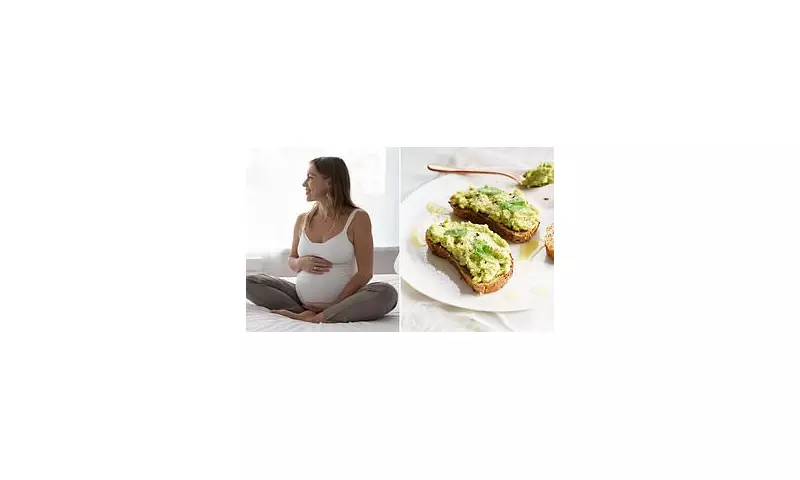
A pregnant woman from Maryland has issued a crucial public health warning after a popular breakfast choice led to a startling false positive result for opiates in her routine prenatal screening.
The Shocking Discovery
Cassey Hoff, who is expecting her fifth child, received what she described as a complete shock during a recent obstetric appointment. When reviewing the results of her standard blood tests, she noticed they had been flagged as abnormal. Upon closer examination, Hoff discovered that medical professionals had detected traces of opiates in her system—a finding that baffled her completely, as she had never taken such substances.
The Unexpected Culprit
After some investigation and a conversation with her sister, Hoff identified the surprising source of the positive test result. For two consecutive weeks leading up to her appointment, she had been satisfying a pregnancy craving by eating avocado toast topped with everything bagel seasoning every single morning for breakfast.

The seasoning contained poppy seeds, which are known to carry minute amounts of morphine and codeine—both opioid substances that can register on sensitive drug screening tests. This revelation highlights how common food ingredients can unexpectedly interfere with medical testing procedures.
Viral Warning to Others
Hoff took to TikTok earlier this month to share her experience, creating a video that has since gained more than 1.4 million views. In the now-viral clip, she explained her initial panic upon seeing the test results.
"I tested positive for opiates at my OBGYN blood draw this past week and I'm clearly not a drug addict," she began. "I immediately am like, what the f**k? I do not do any sort of opiate... why am I testing positive for opiates in my blood draw?"
Her concern extended beyond the test results themselves—she worried that medical staff might misinterpret the findings and potentially involve child protective services. After contacting her healthcare provider, a nurse reassured her that they weren't concerned about the situation.
Medical Context
According to the Mayo Clinic, poppy seed pods naturally contain morphine and codeine, which are classified as opioid medicines. The seeds themselves become coated with small amounts of these substances during processing, and these opioids can remain detectable in bodily fluids after consumption.
The concentration of opioids in poppy seeds can vary significantly depending on:
- The specific growing conditions of the poppy plants
- Harvesting methods used
- Processing techniques applied to the seeds
- Storage conditions before consumption
Widespread Reactions and Similar Experiences
Hoff's video prompted an outpouring of responses from other women who had encountered similar situations during their pregnancies. Many shared their own stories of unexpected positive drug tests linked to poppy seed consumption.
One commenter revealed: "Yessss! I [ate] everything bagels during my pregnancy and came up positive on my drug test. I was so upset."
Another shared a family experience: "My dad was a pilot and couldn’t have poppy seeds so I’ve known this for awhile. It’s something you just don’t think about."
The phenomenon extends beyond pregnancy contexts, with multiple users describing employment-related testing situations where they had been warned to avoid poppy seeds before screenings. One person recalled: "The first job I got after college was the first time I had to have a drug test done for my employment and they told me not to eat anything with poppy seeds for 48 hours prior to the test."
A Broader Concern
This incident highlights a broader issue in medical testing and employment screening where common food items can create misleading results. The Department of Defense has previously advised military personnel to avoid consuming products containing poppy seeds before drug tests, recognizing the potential for false positives.
Hoff concluded her warning with straightforward advice for others: "So yeah, just so you know, if you eat poppy seeds, you might test positive for opiates in your blood or urine."

Her experience serves as an important reminder for healthcare providers and patients alike about the limitations of drug screening tests and the unexpected ways that ordinary dietary choices can influence medical results during pregnancy and beyond.