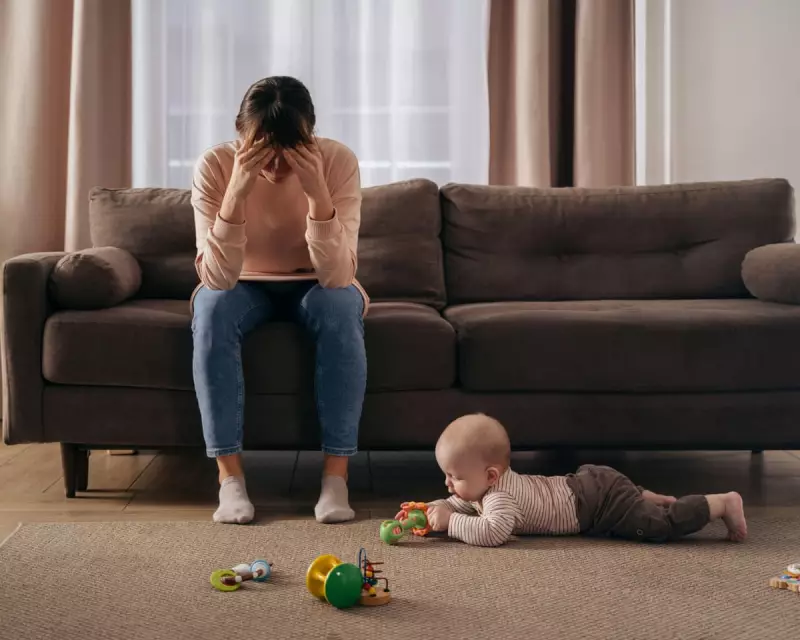
European Maternal Health Crisis: 42% of New Mothers Report Mental Health Issues
A stark new European study has revealed a profound maternal mental health crisis across the continent, with as many as 42% of new mothers reporting a mental health issue in the past year. The research, conducted by Make Mothers Matter, surveyed nearly 10,000 mothers across 12 European nations, uncovering high levels of psychological strain, persistent career penalties, and systemic failures in support.
Mental Health Strain: The New Norm for Mothers
The findings indicate that mental overload is commonplace rather than exceptional. More than two-thirds of surveyed mothers stated they felt mentally overloaded. Over the past year, a third reported anxiety, 20% experienced depression, and 18% suffered from burnout.
Country-specific data highlights the widespread nature of the issue:

- In Spain, 42% of respondents reported anxiety.
- A third of mothers in Sweden and a quarter in both Germany and the UK reported depression.
Dr Natasha Azzopardi-Muscat, Director of Health Systems at WHO/Europe, emphasised the gravity of the situation, stating: "The findings show that mental health strain is the norm, not the exception, especially for mothers with young children, multiple children, low incomes, or single-parent households. Yet, caregiving during early childhood is one of the most powerful determinants of lifelong health and wellbeing."
The Impact of Overload and Systemic Failure
Ann-Katrin Orr, a policy officer at Mental Health Europe, directly linked the deteriorating mental health of mothers to a lack of supportive policies. "Mothers’ mental health is deteriorating because they face huge challenges, too often without support and crucially: because policies haven’t caught up with reality," she said. "You can’t pile work pressure, care responsibilities and rigid gender norms and roles on to women while reducing social supports and then be surprised when anxiety and depression rise."
This analysis is supported by a 2024 Swiss study which found a substantial mental health penalty for women after childbirth, including a 50% increase in antidepressant use post-birth, rising to 75% by the child's sixth birthday. Researchers concluded this was a direct consequence of the life changes and time constraints accompanying motherhood.
Persistent Career Penalties and Workplace Discrimination
The European study further exposed significant career setbacks for mothers. More than a quarter of respondents across the 12 countries said having a baby had negatively affected their careers. This figure rose sharply in specific nations:
- 36% in Ireland
- 31% in the UK
- 31% in Germany
Alarmingly, 6% of all respondents reported being sacked or forced out of their company due to pregnancy or new motherhood. While rates were lower in Ireland (2%), the UK (4%), and Sweden (4%), they reached 9% in Portugal and the Czech Republic.
Discrimination extended to recruitment and progression, with 16% of mothers feeling discriminated against during job applications and 30% stating their opportunities for career advancement had been restricted. A fifth were ruled out for pay rises, and more than a third experienced a loss of income.
The Crushing Weight of Work Pressures and Childcare Costs
Juggling caregiving with professional responsibilities proved overwhelmingly difficult for many. Mothers reported bearing the majority of household tasks alone. Return-to-work patterns varied drastically:
- 74% of Portuguese mothers returned to work full-time.
- 62% of Swedish mothers did the same.
- Only 29% of German mothers returned full-time, with 42% working part-time and 21% leaving the workforce entirely.
Notably, UK mothers were the most likely to cite prohibitive childcare costs as a reason for altering their work status. While 17% of British mothers said nursery and childminder expenses forced a change, this was a factor for only 7% of mothers in EU countries surveyed.

A Call for Systemic Change and Essential Support
The study found that only a third of women had a gradual return to work after maternity leave, and fewer than half had access to adjusted working hours. Experts argue this must change urgently.
Ann-Katrin Orr stated: "Flexible working hours, strong parental leave, accessible, community-based mental health services and stigma-free support aren’t ‘extras’, they’re essential to adequately tackle gender inequalities."
Dr Alain Gregoire, Honorary President of the Maternal Mental Health Alliance UK, echoed this call: "Mental health support should be an integral, unstigmatised part of antenatal and postnatal care, and supportive, flexible social and employment environments should be the expected norm for all mums. This requires action without delay across government and society."
Dr Azzopardi-Muscat concluded that supporting mothers through social connection, flexible work, and accessible mental healthcare is essential not only for parental wellbeing but for the healthy development of children and the overall resilience of society. The study presents a clear mandate for policymakers and employers to enact meaningful reforms that address this deepening crisis in maternal health.