As we enter another year, the relentless torrent of global crises and negative headlines shows no sign of abating. For many, the instinct is to switch off entirely, yet columnist Justine Toh proposes a different, more engaged path forward: to look better and deeper, not away.
The Onslaught of Bad News and Our Response
Toh draws a parallel between the modern news consumer and a traumatised foreign correspondent. While we may be more removed from frontline events, we are subject to a similar constant onslaught of distressing information, from polarisation and the climate crisis to the rising cost of living and the threats posed by artificial intelligence. A 2025 Reuters study found that 40% of people globally now actively avoid the news, a trend highlighting a widespread crisis in coping mechanisms.
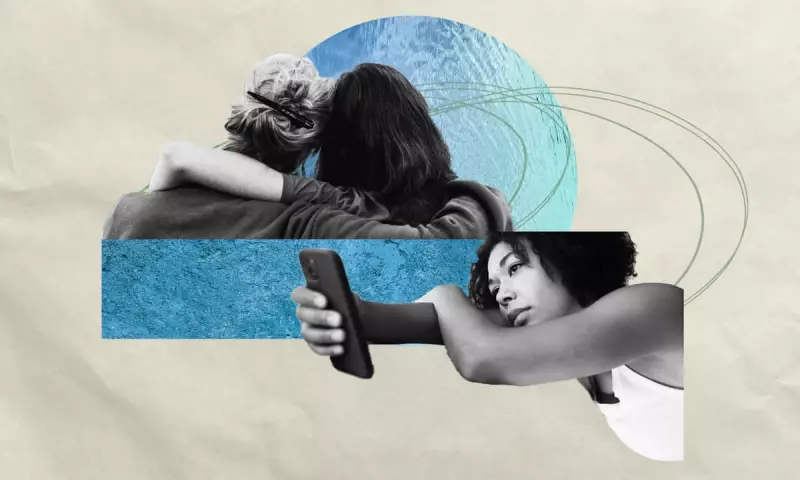
The danger, Toh suggests, lies in how a diet of apocalyptic forecasts and conflict primes us to see only the terrible, constricting our view of what is possible. This state of permanent anxiety, often fuelled by our smartphones, becomes a lens that distorts reality, screening out nuance and hope.

Cultivating a Transformative Perspective
The solution is not sheer willpower but the cultivation of new habits. Toh argues that a human being is, in essence, a limited amount of attention, and what we focus on forms – or deforms – us. Changing this focus requires deliberate practice.
Her suggested starting point is simple yet radical for the digital age: let the first thing you see in the morning be a human face, the natural world, or a book of sacred texts. These "handholds of immediate reality" decentre our fears and reconnect us with what is life-giving and worthy of our love, even amidst struggle.
The Power of a Broader Vision
While people and nature can shift our perspective, devotional material adds a unique dimension. Reflecting on a prayer by William Wilberforce, the famed abolitionist, Toh finds a welcome reminder that previous generations faced seemingly insurmountable challenges. His personal quest for "more love, more humility, more faith" illustrates a hope placed in more than human effort alone.
This points to a crucial insight: the havoc that fills our vision may blind us to hidden workings of good that elude headline notice. The goal is to foster a way of seeing that acknowledges harsh realities but refuses to be cowed by them. As psychiatrist Iain McGilchrist writes, "Attention changes the world. How you attend to it changes what it is you find there."
Scanning for Glimpses of Good
Some may dismiss this as whistling in the dark, but Toh insists that showing up with eyes that scan for the good is what counts. It is a determined effort to hone our attention, to lift our gaze above the grim headlines and remember they cannot capture the full complexity of the bigger picture.
She concludes with the perspective of J.R.R. Tolkien, who viewed history as a "long defeat" punctuated by "glimpses of final victory." To actively seek out those glimpses – that, Toh asserts, is the kind of resilient and realistic vision that the news cycle of 2026 demands of us all.