The Adoption That Turned to Nightmare: A Family's Harrowing Journey
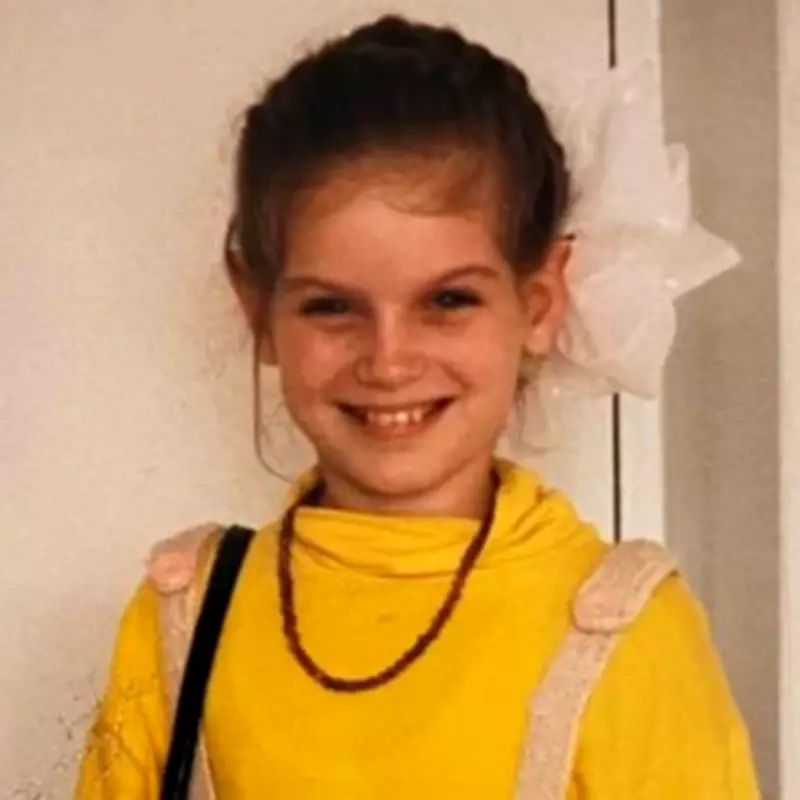
In 1997, Crystal and Jesse embarked on what they believed would be a joyous journey to expand their family through international adoption. After years of unsuccessful attempts to conceive, the couple turned to a Russian adoption website, where they discovered a nine-year-old girl who captured their hearts. "She was a beautiful child," Crystal recalled, envisioning a future where they could provide a stable, loving home for an older child in need. They named her Caralee, and in a simultaneous decision, opted to adopt three-year-old Joshua from the same agency, hoping to create a complete family unit.
Warning Signs and Medical Omissions
The first red flag emerged when Crystal and Jesse received Caralee's medical records, which included the term "oligophrenic"—an outdated label for intellectual disability. The adoption agency, however, downplayed this, assuring the couple it was merely a "developmental delay" that could be addressed with American medical care. "We were assured that this child was healthy and that in a good home … with the best doctors in America helping her, she should be fine," Crystal explained. This reassurance would later prove tragically misleading.
Travelling to the orphanage in Borovichi, Russia, the couple met Caralee, who immediately bonded with Crystal, saying, "You're my mama." Yet, upon bringing her to their new home in Georgia, USA, behavioural issues surfaced. Caralee exhibited withdrawal and anger, which Crystal initially attributed to the immense stress of adapting to a new culture and family. In an effort to support her, Crystal quit her job, dedicating herself fully to Caralee's integration.

The Breaking Point: A Threat on the Deck
The situation escalated dramatically on Boxing Day in 1998. Crystal heard her four-year-old son Joshua screaming in the garden and rushed outside to find Caralee holding him over the railing of a 30-foot-high deck. "Her face, there was anger and hate," Crystal described. When confronted, Caralee chillingly stated, "I'm gonna kill him," and upon being asked why, replied, "I'm mad at him." Even when Crystal pressed, saying, "You don't mean kill him," Caralee insisted, "yes, I do." This incident marked a turning point, compounded by Caralee's claims of hearing voices and hallucinating—claims she later admitted were fabricated.
In response, the couple admitted Caralee to a psychiatric hospital, where she spent months institutionalised. During this time, they received additional documents about her early childhood, revealing that her birth mother was described as "amoral and antisocial," and had left Caralee "dirty, hungry and in rags." More alarmingly, they discovered Caralee had been in a special ward for the mentally disabled at the orphanage—information the adoption agency had not disclosed. Nina Kostina, who facilitated the adoption, defended the agency, citing Russian privacy laws that limited medical information sharing, and emphasised that parents had access to records during orphanage visits.
Family Fracture and Institutional Return
After four months in hospital, insurance constraints forced Crystal and Jesse to withdraw Caralee. Fearing for Joshua's safety—Caralee had repeatedly threatened, "if I get another chance, I will kill him"—Jesse installed security cameras and an alarm on her bedroom door. When medications proved ineffective, they sent Joshua to live with his grandmother in Texas. Confronted about this, Caralee acknowledged, "Because I may hurt him."
Psychiatric evaluations painted a complex picture. Dr. Brian Kennedy diagnosed Caralee with attachment disorder, noting her capacity for rage under stress, while another psychiatrist described her behaviour as "impeccable" and perceived Crystal and Jesse as "too often cool and distant." By 1999, the couple made the agonising decision to annul the adoption, returning Caralee to Russia for treatment at a psychiatric hospital. Before her admittance, Caralee denied trying to kill Joshua, claiming she was merely struggling to carry him, but felt misunderstood: "Mom and Daddy just don't understand it." She expressed fear in the locked ward, saying, "I don't feel safe here. I want to go back to America."

Redemption and Reflection: Sabrina's New Life
Two decades later, Caralee—now known as Sabrina—shared her perspective. She revealed that feelings of being unfavoured compared to Joshua led to depression and suicidal thoughts, prompting her to fabricate stories about hearing voices to escape the situation. "I told Crystal, 'You know, I'm seeing and hearing things,' 'cause I wanted out," Sabrina admitted. She denied the deck incident was an attempt to kill, explaining it was a struggle to carry Joshua, but felt pressured into confessing: "And she was like, 'No. You were trying to kill him.' … I finally said 'yes.'"
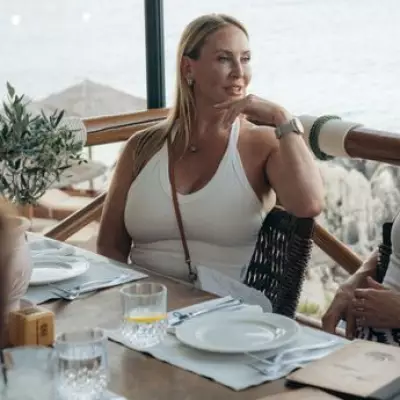
After two months in the Russian hospital, Nina Kostina brought Sabrina back to the United States. In 2002, she was adopted by a new family in North Carolina, graduated high school, and embarked on a path of service, volunteering with Mercy Ships in Africa. "It was a rewarding experience," she said. Building a stable life, she met her husband, Phil Caldwell, in 2012, married in 2014, and now has four children. Sabrina emphasises she is not on medication and suffers from no mental illness, attributing her resilience to forgiveness.
Reflecting on her past, Sabrina expressed respect for Crystal and Jesse, stating, "Putting myself in their shoes, I would have probably done almost the same thing." However, she draws a line at their decision: "I wouldn't … take a child back. I learned to forgive my past … I have an amazing husband … I have amazing kids. But if I didn't go through what I went through I wouldn't have that." This story underscores the profound complexities of international adoption, mental health, and familial bonds, revealing a journey from trauma to triumph.